Please fill out the form below to request a quote or to request more information about us. please be as detailed as possible in your message, and we will get back to you as soon as possible with a response. we're ready to start working on your new project, contact us now to get started.
BMW Exhaust Pipe Replacement: A Comprehensive Guide
2026-09-14
Maxdo
44
The BMW exhaust pipe is a critical component that plays a significant role in both the performance and sound of your vehicle. Over time, wear and tear, improper installation, or aggressive driving can compromise the condition of your exhaust pipe. When its time to replace one, its crucial to do so in a way that ensures optimal performance, proper emissions compliance, and a satisfying exhaust note. This guide will walk you through everything you need to know about replacing your BMW exhaust pipe, from understanding the process to selecting the right option for your needs.
Introduction to BMW Exhaust Pipe Replacement
Understanding the importance of your BMWs exhaust system is essential before you start the replacement process. The exhaust pipe is not just a conduit for exhaust gases; it also contributes significantly to the overall driving experience by affecting your cars performance and sound. A compromised or damaged exhaust pipe can lead to a loss of power, rough idle, and even harmful emissions, all of which can be dangerous and costly.
But how do you know when your exhaust pipe needs replacement? Common signs include a change in power or torque, a rough idle, an unusual exhaust sound, or even evidence of leaks. These symptoms can point to underlying issues with the catalytic converter, delete pipe, or other components of the exhaust system.
When you notice these signs, it's important to take proactive steps to maintain the health of your BMW. Regular inspections and professional diagnostics can help identify issues early, allowing you to replace the exhaust pipe before it causes more serious problems.
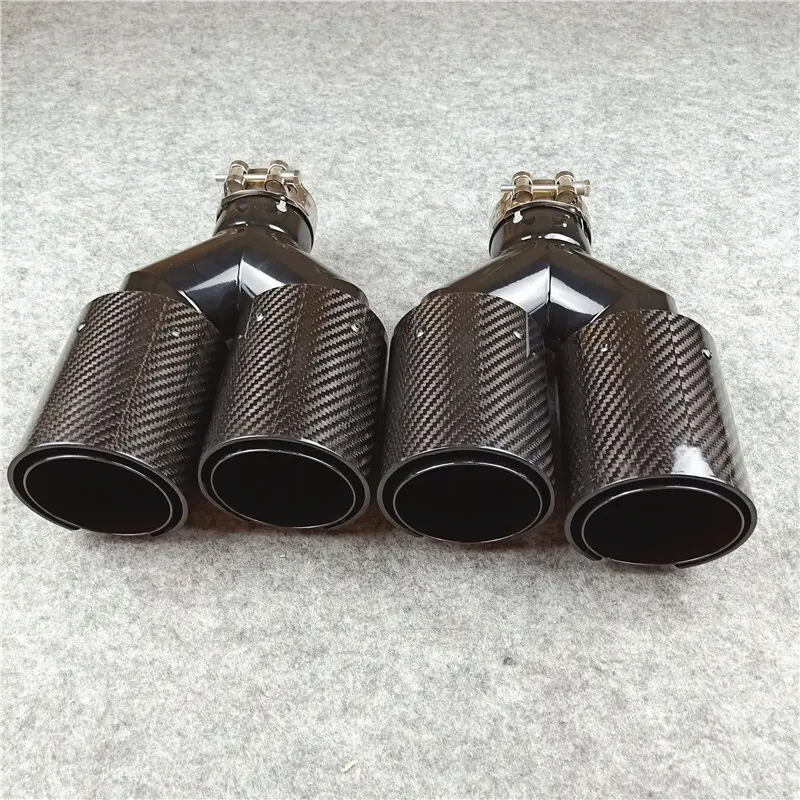
Understanding the BMW Exhaust System
To effectively replace your BMW exhaust pipe, its crucial to understand the components of the exhaust system and how they work together. The BMW exhaust system consists of several key parts:
1. Manifold: This component distributes exhaust gases evenly to all cylinders, ensuring balanced performance.
2. Resonator: The resonator acts as a low-pass filter, reducing roughness in the exhaust flow and improving the overall sound.
3. Catalytic Converter: This component is responsible for reducing harmful emissions and improving air quality.
4. Delete Pipe (Exhaust Pipe): The delete pipe, or exhaust pipe, is the part youll be replacing. It directs the exhaust gases to the tailpipe and affects both performance and sound.
Identifying When to Replace the BMW Exhaust Pipe
Determining whether your BMWs exhaust pipe needs replacement isnt always straightforward. While the signs mentioned earlier are a good starting point, there are other indicators that may suggest its time to replace the pipe. Here are some common scenarios:
- Exhaust Leaks: Evidence of a failing exhaust pipe might include leaks from the tailpipe or connecting to the delete pipe.
- Reduced Performance: A loss of power or torque can indicate that the delete pipe or catalytic converter is no longer functioning properly.
- Improper Driving Behavior: If you notice your car pulling away from traffic lights, accelerating slowly, or idling poorly, it could be a sign that your exhaust system is struggling.
- Unusual Exhaust Sounds: Rustling or popping sounds from the exhaust system may indicate a failing component.
Professional diagnostic tools and tests can provide additional confirmation that your exhaust pipe is faulty. These tests can check for leaks, blockages, or other issues that may not be visible to the naked eye.
Performing the Replacement Process
Replacing your BMW exhaust pipe is a straightforward process, but its essential to approach it with care and precision to ensure optimal results. Heres a step-by-step guide to help you through the replacement:
Step 1: Remove the Old Exhaust Pipe
Before you can install a new exhaust pipe, youll need to remove the old one. Heres how to do it:
- Disconnect the Negative Wires: Remove the negative wires from the catalytic converter and delete pipe.
- Disconnect the Manifold: Detach the manifold from the delete pipe to access the old exhaust system.
- Loosen the Bolts: Use a set of wrenches to loosen the bolts that secure the delete pipe to the manifold.
Its crucial to be gentle with these components to prevent damage and ensure a proper fit for the new exhaust pipe.
Step 2: Clean the Area
Once the old exhaust system is removed, youll want to clean the area to ensure a seamless installation. Use a wire brush or sandpaper to remove any rust or debris from the delete pipe and manifold. This will help prevent gaps and ensure a proper seal when the new exhaust pipe is installed.
Step 3: Install the New Exhaust Pipe
Replacing your BMW exhaust pipe is a matter of installing a compatible and high-quality unit. Heres what you need to do:
- Select the Right Size: Ensure the new exhaust pipe fits your cars specifications. A mismatched size can lead to performance issues or leaks.
- Thread the Bolts: Use new bolts to secure the new exhaust pipe to the manifold. Follow manufacturer guidelines to ensure even installation.
- Reconnect the Manifold: Attach the manifold back to the new exhaust pipe and reassemble the delete pipe.
Its important to follow the manufacturers instructions for torque specifications to ensure the installation is secure and even.
Step 4: Test the New Exhaust Pipe
Once the new exhaust pipe is installed, youll need to test it to ensure its functioning properly. Heres how:
- Reconnect the Negative Wires: Reconnect the negative wires to the catalytic converter and delete pipe.
- Check for Leaks: Inspect the area for any signs of leaks or damage. If you find any, repeat the process and choose a high-quality replacement.
- Test Drive: Get behind the wheel and drive the BMW to assess the performance and sound of the new exhaust system. Pay attention to power, acceleration, and exhaust note.
If everything sounds good, your job is done. If not, you may need to repeat the process or consult a professional mechanic.
Maintaining Your New BMW Exhaust Pipe
Proper maintenance is essential to ensure the longevity and performance of your new BMW exhaust pipe. Here are some tips to keep in mind:
- Regular Inspections: Check the condition of your exhaust pipe periodically to ensure its in good shape. Look for signs of wear, rust, or damage.
- Drive Carefully: Avoid aggressive driving or excessive acceleration, as this can stress the exhaust system and lead to premature wear.
- Service Your Car Regularly: Follow your BMWs maintenance schedule to ensure all components, including the exhaust system, are in good working condition.
By taking care of your exhaust pipe, you can ensure it continues to provide the power, performance, and sound you expect from your BMW.
Comparing Different Types of Exhaust Pipes for BMWs
There are several types of exhaust pipes available for BMW vehicles, each offering different benefits and drawbacks. Heres an overview of the most common options:
Straight-Through Exhaust Pipes
Straight-through exhaust pipes are designed to provide maximum power and efficiency. They consist of a single piece of tubing that runs straight from the manifold to the tailpipe. Straight-through pipes are lightweight and provide a sporty driving experience, but they may not offer the best sound tuning or aesthetic appeal.
Multi-Chamber Exhaust Pipes
Multi-chamber exhaust pipes are designed to enhance both performance and sound. These pipes feature multiple chambers that allow for a smoother exhaust flow and a richer, more pronounced exhaust note. Multi-chamber pipes are ideal for those who want to optimize their BMWs power output while also enjoying a more engaging driving experience.
Sound-Tuning Exhaust Pipes
If youre looking to customize the sound of your BMW, sound-tuning exhaust pipes are the way to go. These pipes are designed to provide a specific exhaust note, often with a more aggressive or edgy tone. Theyre a great option for those who want to stand out on the road.
Aesthetic Exhaust Pipes
Some exhaust pipes are designed with a focus on aesthetics rather than performance. These pipes are often made from high-quality materials and come in a variety of finishes and designs. If youre looking to make a statement, aesthetic exhaust pipes are a great choice.
While all these options have their pros and cons, its important to choose a exhaust pipe that aligns with your driving style and your vehicles needs. Some pipes may offer better performance while others focus on sound or aesthetics.
Expert Tips and Case Studies
Replacing an exhaust pipe is a technically straightforward process, but its not without its challenges. To help you navigate the process, here are some expert tips and insights:
Common Challenges
- Improper Installation: Even the most advanced BMW driver can struggle with a poorly installed exhaust pipe. Make sure to follow manufacturer guidelines and use the right tools.
- Performance Issues: A poorly fitting or worn-out exhaust pipe can lead to a loss of power, torque, or efficiency. Always choose a high-quality replacement.
- Emissions Regulations: In many countries, the emissions from your exhaust system must meet specific regulations. Make sure your new exhaust pipe is compliant with local emissions standards.
Case Studies
- Case Study 1: A BMW owner faced issues with rough running and loss of power after noticing the exhaust pipe was cracked and leaking. A professional replaced the pipe with a high-quality, multi-chamber option, resulting in improved performance and a satisfying exhaust note.
- Case Study 2: A driver wanted to upgrade their BMWs sound system. After researching, they installed a custom sound-tuning exhaust pipe, which not only boosted their cars power but also provided a more engaging driving experience.
These case studies highlight the importance of selecting the right exhaust pipe and taking the time to install it properly. When done correctly, the new exhaust pipe can make a significant difference in your BMWs performance and satisfaction.
Recap and Final Considerations
Replacing your BMW exhaust pipe is a crucial step in maintaining the performance, power, and sound of your vehicle. By understanding the signs that its time to replace the exhaust pipe, following a proper replacement process, and selecting the right option for your needs, you can ensure your BMW continues to deliver a driving experience youll love.
Remember, proper installation is key to a successful outcome. Take your time to follow manufacturer guidelines, use high-quality components, and test the new exhaust pipe thoroughly. If youre unsure about any step, dont hesitate to consult a professional mechanic. After all, your BMW deserves the best!
With the right approach and attention to detail, you can confidently replace your BMW exhaust pipe and enjoy the benefits of a new, powerful, and satisfying driving experience.
Table of Contents
- 7.2Case Studies
GET IN TOUCH WITH Us
Copyright © 2026 Shenzhen Maxdo Automotive Parts Co., Ltd. - www.maxdoexhaust.com | Sitemap | privacy policy