Please fill out the form below to request a quote or to request more information about us. please be as detailed as possible in your message, and we will get back to you as soon as possible with a response. we're ready to start working on your new project, contact us now to get started.
The Ultimate List of BMW Exhaust Pipe Parts
2026-09-12
Maxdo
55
Understanding the Ultimate Guide to BMW Exhaust Pipe Components
Anatomy of the BMW Exhaust System
The BMW exhaust system is a finely tuned network of components designed to ensure efficient gas flow and reduced noise. It comprises several key parts:
- Manifold: Distributes exhaust gases evenly to the cylinders.
- Header Pipes: Channels the gases to the catalytic converter.
- Catalytic Converter: Reduces harmful emissions and enhances airflow.
- Muffler: Dissipates excess noise and enhances the exhaust sound.
- Tailpipes: Directs the exhaust gases out of the vehicle.
Proper design and functionality of these components are crucial for optimal performance, reduced emissions, and a refined sound.
Common Issues and Maintenance Needs
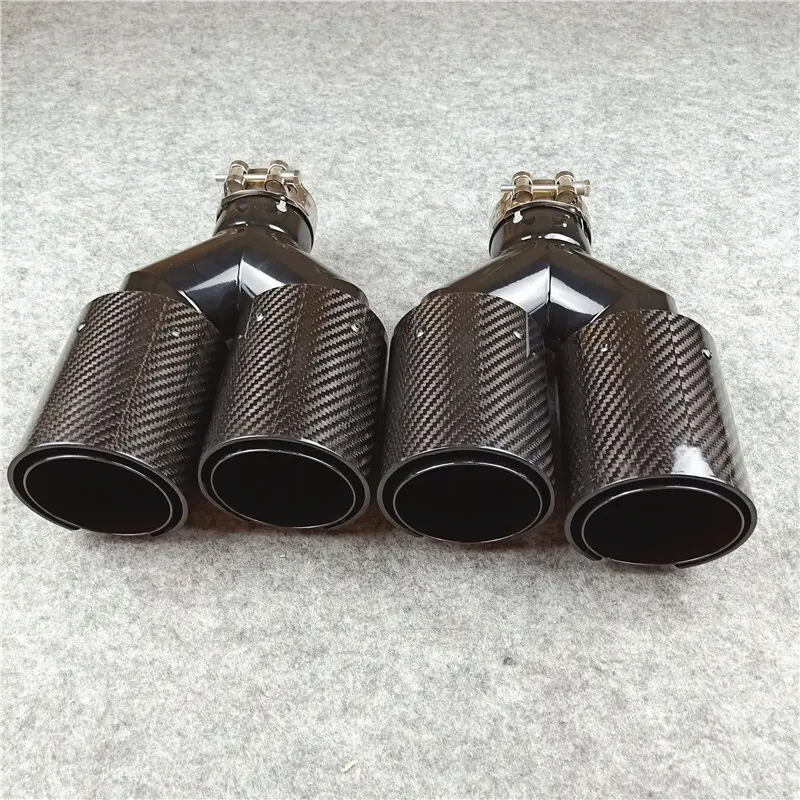
Identifying and Addressing Common Issues
Rust, corrosion, and leaks are common issues affecting BMW exhaust pipes. Rust can develop on metal components over time, particularly those exposed to moisture or salt. Corrosion weakens the pipes, leading to leaks and potential damage. Regular maintenance is essential to prevent these problems:
- Hydrostatic Testing: This process checks the exhaust system's functionality, ensuring there are no leaks.
- Professional Inspections: Regular professional checks can identify and address issues early, preventing more extensive damage.
- Warning Signs: Recognize unusual noise or engine behavior to take timely action. Listen for hissing sounds or decreased power, which could indicate a problem.
Types of BMW Exhaust Pipes
Design and Performance Benefits
BMW offers a range of exhaust pipe options, each designed for different performance and aesthetic needs:
- Standard Pipes: Provide a stock sound and moderate performance, suitable for everyday driving.
- Sports Pipes: Offer enhanced power and a more aggressive sound, ideal for those who want a sportier driving experience.
- Race Pipes: Designed for maximum performance, with a powerful exhaust experience, suitable for track use.
Each type has distinct design features, materials, and performance benefits, catering to varying driving preferences and performance requirements.
Choosing the Right BMW Exhaust Pipe
Key Factors to Consider
Selecting the appropriate exhaust pipe involves considering several factors:
- Brand Reputation: Ensures durability and reliability.
- Durability and Warranty: Provides peace of mind and long-term value.
- Compatibility: Ensures the part is compatible with the engine.
- Legal Considerations: Ensures compliance with local emissions regulations.
Balancing style and functionality is key. A well-chosen pipe can enhance both the vehicle's aesthetics and performance.
Installation Tips and DIY Considerations
Step-by-Step Process and Safety Measures
Installing an exhaust pipe involves several steps:
1. Draining the System: Remove old fluids and debris.
2. Removing Old Components: Carefully take out the existing pipes.
3. Assembling the New Parts: Securely install the new components.
4. Tools Required: Wrenches, pipe clamps, and airflow meters.
5. Safety Measures: Secure the vehicle and wear protective gear.
The process can be DIY-friendly, but there are pros and cons to consider. DIY installation offers cost-effectiveness but can be risky if not done correctly, while professional installation provides precision, durability, and peace of mind.
The Aftermarket Market: What to Look For and Avoid
Popular Brands and Reliable Options
The aftermarket BMW exhaust market offers a variety of options from stock replacements to custom-fabricated systems. Popular brands sell high-quality parts, while custom options allow for personalization:
- Research and Compare: Ensure you make informed choices.
- Avoid Low-Quality Parts: Look for durability and reliability. Cheaper parts may fail prematurely, leading to further issues.
Here are some specific brands to consider:
- Eibach: Known for high-quality exhaust systems with a focus on durability and performance.
- BMW Performance Parts: OEM parts that maintain the original design and functionality.
Maximizing Your BMW's Exhaust System
Tips for Optimal Performance
Regular maintenance, including hydrostatic testing and professional checks, helps keep the system running smoothly. Choosing the right part and installing it correctly ensures both functionality and a refined sound:
- Regular Maintenance: Stay proactive with hydrostatic testing and professional checks.
- Informed Choices: Make educated decisions about brands and parts.
- Professional Installation: Ensure precision and reliability.
By prioritizing the health and performance of your BMW's exhaust system, you can enjoy the full potential of your vehicle, enhancing both performance and the overall driving experience.
Legal and Safety Considerations
Compliance with Emissions Regulations
While the article mentions local emissions regulations, it is crucial to provide specific information about compliance in different regions. For example:
- California: Stricter regulations with specific emission requirements.
- E.U.: Different mandates that may require specific catalytic converter types.
- China: Additional testing and certification for exhaust systems.
Understanding these regulations helps ensure your modifications do not compromise your vehicles legal status or safety.
Maximizing Your BMW's Exhaust System
In conclusion, the BMW exhaust system is a vital component in achieving optimal performance and a distinctive driving experience. Regular maintenance, including hydrostatic testing and professional checks, helps keep the system running smoothly. Choosing the right part and installing it correctly ensures both functionality and a refined sound.
To recap:
- Regular Maintenance: Stay proactive with hydrostatic testing and professional checks.
- Informed Choices: Make educated decisions about brands and parts.
- Professional Installation: Ensure precision and reliability.
By prioritizing the health and performance of your BMW's exhaust system, you can enjoy the full potential of your vehicle, enhancing both performance and the overall driving experience.
Key Points:
- Regular Maintenance: Stay proactive with hydrostatic testing and professional checks.
- Informed Choices: Make educated decisions about brands and parts.
- Professional Installation: Ensure precision and reliability.
GET IN TOUCH WITH Us
Copyright © 2026 Shenzhen Maxdo Automotive Parts Co., Ltd. - www.maxdoexhaust.com | Sitemap | privacy policy