Please fill out the form below to request a quote or to request more information about us. please be as detailed as possible in your message, and we will get back to you as soon as possible with a response. we're ready to start working on your new project, contact us now to get started.
Automobile Exhaust: What Every Driver Should Learn About Its Aftereffects
2026-09-15
Maxdo
5
The idea that automobile exhaust is purely a nuisance dates back to a time when internal combustion engines were still relatively new. Advances in technology allowed vehicles to become more efficient, and with it, exhaust emissions became less of a concern. However, as the automotive industry continues to progress, so too do the environmental and health challenges posed by car exhaust. Today, the invisible pollutants expelled from vehicle engines pose significant risks to both public health and the planet.
Automobile exhaust is a complex mixture of gases and particulates that result from the combustion process within an engine. While the primary purpose of an engine is to convert fuel into mechanical energy, the byproducts of this process are far more detrimental. The most notable components of car exhaust include carbon monoxide (CO), nitrogen oxides (NOx), volatile organic compounds (VOCs), and particulate matter (PM). Each of these substances contributes to different types of pollution, creating a multifaceted challenge that cannot be ignored.
The health impacts of car exhaust are particularly concerning. While short-term exposure to certain pollutants may not be immediately harmful, chronic exposure can lead to serious conditions, including respiratory and cardiovascular issues. Additionally, the release of toxic chemicals into the air can have long-lasting effects on ecosystems and the well-being of entire communities. As urban centers continue to grow and rely more heavily on vehicles for transportation, the need to address the environmental and health consequences of automobile exhaust becomes increasingly urgent.
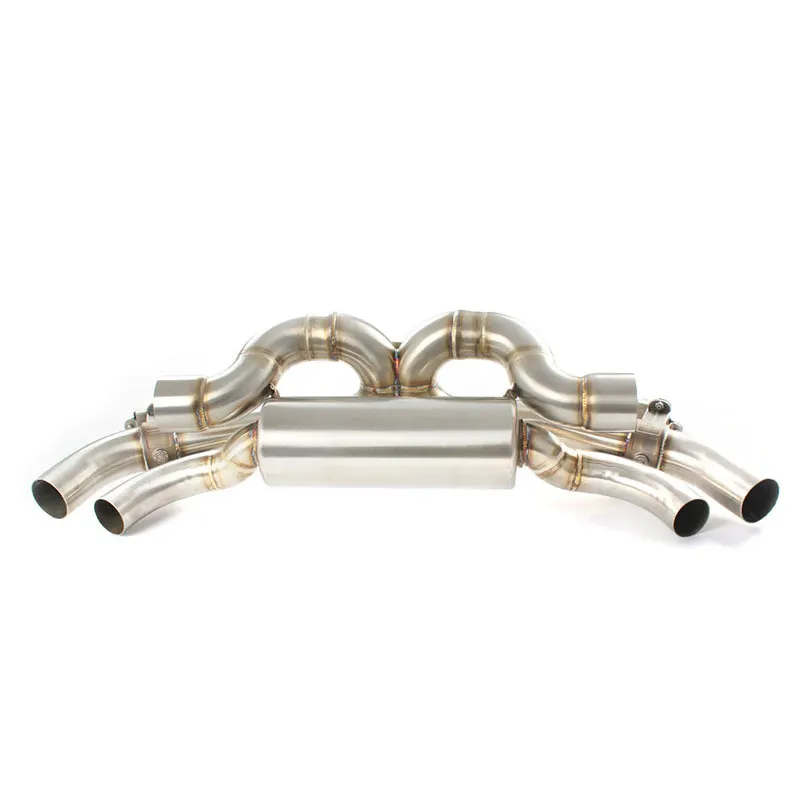
Understanding the Composition of Automobile Exhaust
Automobile exhaust is a mixture of gases and particulates that result from the combustion of fuel within an engine. The primary components of car exhaust include carbon monoxide (CO), nitrogen oxides (NOx), volatile organic compounds (VOCs), and particulate matter (PM). Each of these substances has unique properties that contribute to the overall pollution impact of car exhaust.
Carbon monoxide is a colorless, odorless gas that is produced as a byproduct of combustion. It is highly toxic and can cause respiratory issues such as headaches, dizziness, and, in higher concentrations, carbon monoxide poisoning. Nitrogen oxides, including nitrogen dioxide (NO2) and nitric oxide (NO), are another major component of car exhaust. These gases contribute to the formation of ground-level ozone, a potent greenhouse gas and air pollutant that exacerbates the effects of climate change.
Volatile organic compounds (VOCs) are a diverse group of chemicals that are produced during the combustion process. VOCs include a wide range of compounds, from simpler aldehydes and ketones to more complex organic molecules. These compounds are highly flammable and contribute to the formation of smog and the Earth's ozone layer. Finally, particulate matter (PM) refers to tiny solid or liquid particles suspended in the air. These particles can include dust, soot, and even droplets of mercury or other metals.
The composition of car exhaust is influenced by a variety of factors, including the type of fuel used, the age and condition of the vehicle, and the driving habits of the owner. Newer vehicles, which are designed to be more fuel-efficient, often produce less harmful emissions. However, this does not necessarily translate to fewer pollutants being emitted into the air. Older vehicles, with their larger engines and higher horsepower, tend to produce more emissions, particularly in the form of nitrogen oxides and particulate matter.
The contribution of different vehicle types to exhaust emissions also varies significantly. Light vehicles, such as motorcycles and hybrids, tend to produce fewer emissions compared to heavier vehicles like trucks and SUVs. This is largely due to the fact that smaller engines are more efficient and produce less waste products during combustion. However, even the most efficient vehicles are not entirely free of emissions, and the accumulation of pollutants over time remains a concern.
Health Risks Associated with Exposure to Automobile Exhaust
The health risks associated with exposure to automobile exhaust are well-documented and can have a significant impact on both individuals and communities. While the immediate effects of short-term exposure to certain pollutants may not be immediately harmful, chronic exposure can lead to serious medical conditions.
One of the most concerning health risks associated with car exhaust is the potential for respiratory issues. Carbon monoxide, in particular, is known to cause headaches, dizziness, and other symptoms that can make it difficult to drive or engage in physical activity. In addition, the release of nitrogen oxides and particulate matter can contribute to the formation of smog, which can cause shortness of breath, wheezing, and other respiratory problems.
The cardiovascular system is also particularly vulnerable to the effects of automobile exhaust. Chronic exposure to pollutants can lead to heart disease, high blood pressure, and other cardiovascular conditions. These effects are especially pronounced in individuals who are already predisposed to these conditions, such as those with pre-existing heart issues or smoking histories.
Beyond the respiratory and cardiovascular systems, the long-term effects of car exhaust exposure can have a significant impact on mental health. The release of volatile organic compounds and nitrogen oxides can contribute to the development of neurological effects, including memory loss and cognitive decline. These effects are particularly concerning for individuals who are already aging or who have pre-existing neurological conditions.
Environmental Impact of Automobile Exhaust
The environmental impact of automobile exhaust is another critical factor to consider. The gases and particulates expelled from car engines contribute to a wide range of environmental problems, from air pollution to climate change. The cumulative effect of car exhaust on the environment is particularly concerning in urban areas, where traffic congestion and high vehicle ownership rates create a demand for clean air that is often unmet.
One of the most significant environmental impacts of car exhaust is the contribution to the formation of smog. Smog is a mixture of pollutants, including carbon monoxide, nitrogen oxides, and particulate matter, that is emitted from vehicles and industrial sources. This mixture can react with sunlight and atmospheric conditions to form a dark, choking layer of smog that can reduce visibility and cause respiratory problems. In extreme cases, smog can lead to premature snowfall and other severe weather events.
The release of nitrogen oxides and particulate matter also contributes to the formation of acid rain. Acid rain is caused by the reaction of nitrogen oxides and sulfur dioxide with water in the atmosphere, forming sulfuric and nitric acids. These acids can then fall as acids, causing widespread environmental damage, including the degradation of forests, soil erosion, and the disruption of aquatic ecosystems.
Finally, the accumulation of pollutants in the atmosphere contributes to the overall warming effect of the Earth's climate. The release of carbon dioxide and other greenhouse gases, including those produced by car exhaust, is a major driver of climate change. This ongoing warming trend has far-reaching consequences, including rising sea levels, more intense weather events, and the melting of polar ice caps.
Mitigation Strategies for Reducing Automobile Exhaust Emissions
Reducing automobile exhaust emissions is an important step in addressing both the health and environmental impacts of car exhaust. While it is not possible to eliminate all emissions from vehicle engines, drivers and policymakers can take steps to reduce their individual contribution to exhaust pollution.
One of the most effective ways to reduce car exhaust emissions is through regular maintenance of the vehicle. Old or worn-out engines are more likely to produce higher levels of pollutants, so ensuring that the engine is kept in good condition can help reduce emissions. Additionally, using high-quality fuel and driving at appropriate speeds can help reduce the amount of pollutants produced during combustion.
Another important strategy for reducing automobile exhaust emissions is the adoption of alternative fuels. Hybrids, electric vehicles, and other alternative-fuel powered vehicles are generally more efficient and produce fewer emissions compared to traditional gasoline-powered vehicles. Encouraging the adoption of these vehicles can help reduce the overall volume of pollutants produced on the road.
Finally, government initiatives and corporate responsibility play a crucial role in reducing automobile exhaust emissions. Setting stricter emission standards for vehicles and enforcing compliance through penalties and other measures can help ensure that manufacturers produce cleaner vehicles. Additionally, companies that produce vehicles can take steps to reduce their share of emissions through recycling programs and other sustainability initiatives.
Personal Health Protection Against Automobile Exhaust Pollution
While it is important to take steps to reduce automobile exhaust emissions, it is equally important to protect oneself from the health risks associated with car exhaust. Drivers can take a number of measures to reduce their exposure to harmful pollutants and improve their overall health.
One effective strategy for reducing exposure to automobile exhaust is to wear air-purifying masks when driving. These masks can help filter out harmful pollutants and provide a cleaner environment for inhalation. Additionally, avoiding high-traffic areas during peak hours can help reduce the likelihood of coming into contact with high levels of exhaust pollution.
Another important step for protecting against car exhaust pollution is using air quality monitoring devices. These devices can help drivers identify areas with high levels of pollution and make informed decisions about when to drive. Understanding air quality indices can also help drivers plan their routes and avoid driving during times of high pollution.
Finally, staying informed about air quality and taking appropriate precautions can help drivers make informed decisions about their driving habits. By understanding the factors that contribute to high levels of pollution and taking steps to mitigate them, drivers can reduce their exposure to the health risks associated with car exhaust.
Future Perspectives and Research Directions
The study of automobile exhaust and its impacts is an ongoing field of research with many opportunities for future exploration. As technology continues to advance, new methods of reducing emissions and improving fuel efficiency will likely emerge. Additionally, greater emphasis on public health and environmental awareness will likely lead to increased interest in topics related to automobile exhaust.
One promising area of research is the development of alternative-fuel powered vehicles. As the demand for clean energy sources continues to grow, hybrid and electric vehicles are expected to play an increasingly important role in reducing emissions. Researchers are also exploring the use of advanced catalysts and engine designs to improve fuel efficiency and reduce emissions.
Another important area of research is the development of air quality monitoring systems that can provide real-time data on pollution levels. These systems can help drivers make informed decisions about their driving habits and take steps to reduce their exposure to harmful pollutants.
Finally, greater emphasis on public health and environmental education is likely to lead to increased awareness of the health and environmental impacts of automobile exhaust. By raising awareness among drivers, policymakers, and other stakeholders, it will be possible to take collective action to address the challenges associated with car exhaust.
In conclusion, the invisible threat posed by automobile exhaust is both serious and pervasive. Through increased awareness, proactive measures to reduce emissions, and a commitment to protecting both public health and the environment, drivers and policymakers can work together to address this pressing issue. By taking a comprehensive approach to understanding and mitigating the impact of automobile exhaust, it will be possible to create a cleaner, healthier, and more sustainable future.
Table of Contents
GET IN TOUCH WITH Us
Copyright © 2026 Shenzhen Maxdo Automotive Parts Co., Ltd. - www.maxdoexhaust.com | Sitemap | privacy policy