Please fill out the form below to request a quote or to request more information about us. please be as detailed as possible in your message, and we will get back to you as soon as possible with a response. we're ready to start working on your new project, contact us now to get started.
The Evolution of Exhaust Pipe Design in Luxury Cars
2026-09-15
Maxdo
37
The world of luxury cars is not just about the sleek curves of the body or the state-of-the-art technology inside; its also about the sound, the feel, and the overall experience the car provides. One of the most critical elements that contribute to this experience is the exhaust system. Exhaust pipes are more than just a necessity; they are an art form that combines functionality, aesthetics, and engineering brilliance. The sound of a well-designed exhaust system can elevate the ownership experience, making it as memorable as the car itself.
Historical Background: Early Designs and Innovations
The history of exhaust pipes is as old as the cars that were first driven on the roads. By the early 20th century, cars were beginning to incorporate exhaust systems, which were primarily designed to improve performance and reduce emissions. These early designs were simple, often consisting of a few metal pipes and a basic muffler. However, as technology advanced, so did the complexity and sophistication of exhaust systems.
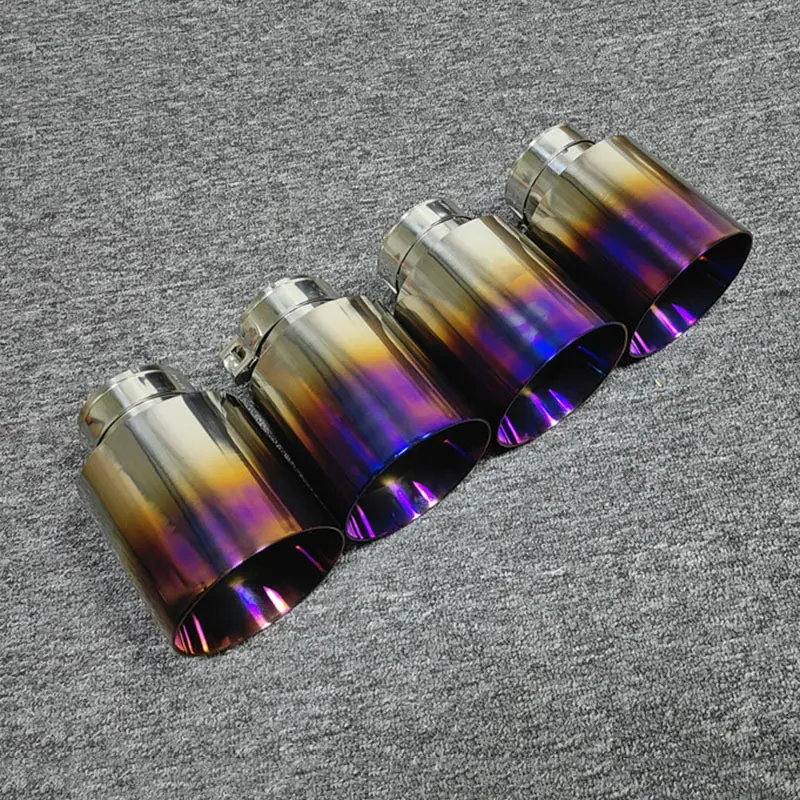
One of the most significant milestones in exhaust pipe design was the introduction of catalytic converters in the 1950s. These devices revolutionized the way cars handled exhaust emissions, making them far more efficient and less harmful to the environment. The adoption of catalytic converters marked the beginning of a new era in exhaust design, where functionality and efficiency were no longer just considerations but integral parts of the overall car design.
In the 1960s and 1970s, exhaust pipes began to incorporate more advanced materials, such as stainless steel and chrome. These materials not only improved the aesthetics of the exhaust system but also made it more durable and resistant to corrosion. The 1970s also saw the rise of more complex designs, with mufflers that could be integrated into the cars body, creating a seamless finish that was both functional and visually appealing.
Technological Advancements: Material Innovations and Modern Exhaust Designs
The 20th century was a decade of incredible technological innovation, and this was especially true when it came to exhaust pipe design. The introduction of new materials revolutionized the industry, allowing for the creation of exhaust systems that were lighter, stronger, and more efficient. One of the most significant materials to emerge during this time was titanium, which became a favorite among engineers due to its high strength-to-weight ratio and durability.
In addition to titanium, the use of advanced composites and ceramics in exhaust design also gained traction during this period. These materials allowed for the creation of exhaust systems that were not only more efficient but also more visually striking. For example, the use of ceramic coatings on exhaust pipes not only improved their thermal performance but also gave them a sleek, modern look.
Modern exhaust design has also seen a shift towards more integrated and aerodynamic solutions. Many contemporary cars feature exhaust systems that are seamlessly integrated into the cars body, with minimal visible components. This trend was driven by the desire to improve both performance and aesthetics, as well as to reduce the overall weight of the car.
Sound Engineering: Crafting the Perfect Sound for Luxury Cars
The sound of a cars exhaust system is not just a byproduct of its design; it is an integral part of the cars identity. In the world of luxury cars, the exhaust system is often the first thing that draws attention, and it is also the last thing that leaves a lasting impression. This is why sound engineering plays such a crucial role in the design of exhaust pipes.
Luxury cars are known for their premium sound systems, but the exhaust system is where the real magic happens. A well-designed exhaust system can produce a sound that is both powerful and elegant, creating a sense of exclusivity and sophistication. For example, high-end sports cars often feature exhaust systems with large, curved tailpipes that create a deep, resonant sound. These designs not only enhance the driving experience but also convey the cars power and performance.
In addition to the physical aspects of sound engineering, the material and finish of the exhaust system also play a role in the overall tone of the car. Many luxury cars feature exhaust pipes with intricate finishes, such as polished chrome, satin finish, or even custom-designed patterns. These finishes not only add to the visual appeal of the car but also enhance the sound, creating a harmonious blend of form and function.
Aerodynamic Impact: Exhaust Systems and Vehicle Efficiency
Aerodynamics is a critical factor in the performance of any vehicle, and exhaust systems are no exception. The design of the exhaust system can have a significant impact on the overall aerodynamics of the car, which in turn affects its fuel efficiency and performance.
One of the key challenges in designing an efficient exhaust system is the need to balance performance with aesthetics. On one hand, the exhaust system needs to be aerodynamic to reduce drag and improve fuel efficiency. On the other hand, it needs to be visually appealing, contributing to the cars overall aesthetic. This balance is what makes luxury cars so special, as they combine both practicality and elegance.
In recent years, the use of advanced materials and innovative designs has allowed for the creation of exhaust systems that are both more efficient and more visually striking. For example, the use of lightweight materials and aerodynamic shapes has enabled the design of exhaust systems that do not compromise on performance while still maintaining a sleek and modern look.
Environmental Considerations: Emissions and Sustainability
In addition to their role in performance and aesthetics, exhaust systems also play a crucial role in environmental considerations. With the increasing focus on sustainability and reducing emissions, the design of exhaust systems has become an important area of consideration.
Many modern cars are equipped with advanced emissions control systems, such as catalytic converters and after-treatment systems, which help to reduce the harmful emissions produced by the exhaust system. These systems are often integrated into the cars design, with exhaust pipes that are optimized for both performance and emissions reduction.
As the demand for electric and hybrid vehicles continues to grow, the role of the exhaust system in reducing emissions is becoming even more important. In fact, the efficiency of the exhaust system can play a significant role in the overall emissions of the car. This is why researchers and engineers are exploring new materials and designs that can improve the efficiency of exhaust systems while maintaining their aesthetic appeal.
Aesthetic Trends: Exhaust Pipes as Design Elements
Exhaust pipes are no longer just functional components; they are also integral to the aesthetic design of a luxury car. The exhaust system is often the first thing that draws attention to a car, and it is also the last thing that leaves a lasting impression. This is why the design of the exhaust system is so important, as it can contribute to both the visual appeal and the overall identity of the car.
One of the most notable trends in exhaust design is the use of sculpted finishes and intricate detailing. Many luxury cars feature exhaust pipes with finishes that are more complex than those found on standard cars. For example, some cars have exhaust pipes with patterns or designs that are integrated into the cars body, creating a seamless finish that is both functional and visually stunning.
In addition to the finish, the size and shape of the exhaust pipes also play a role in the aesthetic design of the car. For example, some cars feature large, curved exhaust pipes that create a powerful and dynamic sound, while others have smaller, more compact exhaust pipes that are more subtle and understated. The choice of design depends on the overall aesthetic of the car and the desired tone of the driver.
Future Prospects: Trends and Predictions
As technology continues to advance, so too will the design of exhaust systems in luxury cars. The future of exhaust design is likely to be shaped by new materials, innovative technologies, and the increasing demand for sustainability and environmental consciousness.
One area of focus is the use of advanced composite materials, which offer a combination of strength, durability, and lightness that is ideal for exhaust systems. These materials are not only more efficient but also more visually striking, allowing for the creation of exhaust systems that are both functional and aesthetically pleasing.
Another trend to watch is the use of digital fabrication techniques, such as 3D printing and laser cutting, in the design and production of exhaust pipes. These techniques allow for the creation of highly customized exhaust systems that are both unique and functional. This is particularly important in the luxury market, where each car is a statement of its owners tastes and preferences.
In addition to these technological advancements, there is also a growing trend towards electrification in luxury cars. As more cars become powered by electric motors, the role of the exhaust system in reducing emissions will become even more important. This will lead to new designs that are optimized for both performance and emissions reduction, with a focus on creating a seamless driving experience that is both powerful and environmentally friendly.
The Importance of Exhaust Design in Luxury Vehicles
In conclusion, the design of exhaust systems in luxury cars is a critical aspect of the overall design and performance of the vehicle. From its historical roots to its future developments, the exhaust system has evolved to become a symbol of both functionality and luxury. Whether its the sound that it produces, the aerodynamic design, or the aesthetic appeal, the exhaust system plays a vital role in defining the identity of the car.
As technology continues to advance, we can expect to see even more innovative and sophisticated designs in the future. These designs will not only enhance the performance of the car but also contribute to its overall aesthetic and environmental impact. Whether youre driving a classic luxury car or a modern electric vehicle, the exhaust system is an essential component of the driving experience, and its design will continue to shape the future of automotive design.
Table of Contents
GET IN TOUCH WITH Us
Copyright © 2026 Shenzhen Maxdo Automotive Parts Co., Ltd. - www.maxdoexhaust.com | Sitemap | privacy policy