Please fill out the form below to request a quote or to request more information about us. please be as detailed as possible in your message, and we will get back to you as soon as possible with a response. we're ready to start working on your new project, contact us now to get started.
What You Need to Know Before Installing a Straight Pipe Exhaust on Your BMW E46
2026-09-13
Maxdo
30
A straight pipe exhaust is a type of catalytic converterless exhaust system designed to direct exhaust gases through a single, straight pipe, as opposed to the more common V or W-shaped configurations found in many cars. This design has several advantages, including improved power output, better fuel efficiency, and a more potent exhaust note. For BMW E46 owners, the decision to upgrade to a straight pipe exhaust is often driven by a desire to turn heads, improve performance metrics, and achieve a more refined driving experience.
Before diving into the specifics of the installation process, it is essential to understand the key factors that influence the decision to install a straight pipe exhaust. These include the vehicle's current setup, the desired outcome, and the practicality of the installation. By gaining a clear understanding of these factors, owners can make an informed decision that aligns with their driving style and performance goals.
Compatibility and Vehicle Specifications: Ensuring the Straight Pipe Exhaust Fits Your BMW E46
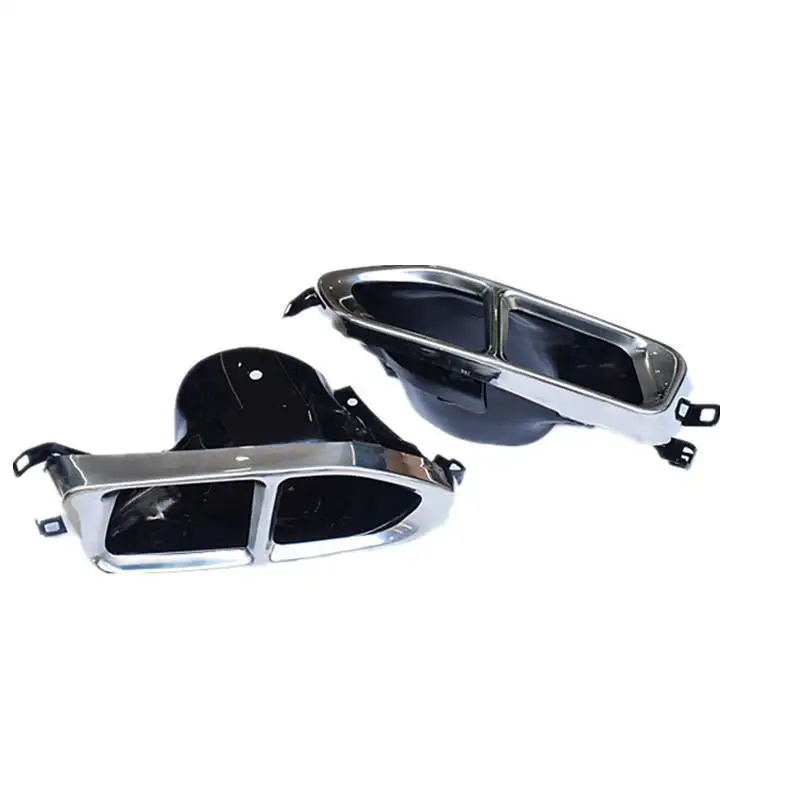
One of the first steps in any modification project is ensuring that the chosen part fits the vehicle perfectly. For a straight pipe exhaust system to work effectively, it must be compatible with the BMW E46's architecture, engine, and existing exhaust setup. Incompatibility can lead to leaks, noise, or even damage to the engine, which is why a thorough compatibility check is crucial.
The BMW E46, a popular model from the 1990s, comes in various trims, including the E46, E46 CS, and E46 M. Each variant has specific dimensions, weight distribution, and internal components that must be considered when choosing a straight pipe exhaust. The exhaust system must fit within the existing manifold, delete, and header pipe, and ideally, be compatible with the original catalytic converter if it is present.
To determine compatibility, owners should measure the vehicle's length, diameter of the catalytic converter (if applicable), and the overall build. Additionally, consulting the vehicle's service manual or seeking input from experienced BMW E46 enthusiasts can provide valuable insights. It is also worth considering the availability of mounting hardware and adaptor kits, as these can bridge the gap between the straight pipe exhaust and the existing system.
Sound and Aesthetics: Balancing Performance with Driving Experience
The installation of a straight pipe exhaust system is not just about improving performance; it is also about enhancing the driving experience. The sound emitted by the exhaust, as well as its appearance, can significantly impact the overall aesthetic of the BMW E46. While some may prioritize raw power, others may find more value in a system that offers a refined, balanced sound that complements the vehicle's design.
The change from a standard catalytic converter to a straight pipe exhaust can result in a noticeable difference in both sound and appearance. The exhaust will no longer have the small, high-pitched whining noise associated with the V or W configurations, and the overall sound will be more reminiscent of traditional open-five or straight-six engines. For those who appreciate the engineering prowess of BMW, this can be a particularly satisfying upgrade.
Visually, the straight pipe exhaust will offer a more streamlined and modern look compared to the stock setup. However, the extent of the change will depend on the specific design of the exhaust and the length of the pipe. For instance, a shorter straight pipe will mimic the appearance of a stock setup, while a longer straight pipe will introduce more pronounced changes. It is important to strike a balance between performance and aesthetics, ensuring that the final result aligns with the owner's personal preferences.
Performance Modifications: Understanding the Benefits and Drawbacks
The installation of a straight pipe exhaust system is a performance enhancement that offers several benefits. By removing the restrictive bends in the original exhaust system, the straight pipe allows for a more efficient flow of exhaust gases, which can lead to improved power output, enhanced fuel efficiency, and better thermal performance. These improvements are particularly noticeable in high-speed driving or during acceleration.
One of the most significant advantages of a straight pipe exhaust is the reduction in parasitic power loss. The bends in the original exhaust system create turbulence and resistance, which can slightly reduce the engine's power output. By eliminating these bends, the straight pipe exhaust minimizes such losses, resulting in a more powerful driving experience. Additionally, the lack of a catalytic converter means that there is no need for frequent maintenance or replacement of the exhaust system, further enhancing the overall efficiency.
However, the benefits of a straight pipe exhaust are not without drawbacks. For instance, the installation process requires a good deal of mechanical skill and knowledge. While it is possible to perform a basic installation with the help of a few tools, a more professional setup is often recommended to ensure optimal results. Additionally, the straight pipe exhaust may require some modifications to the engine bay or firewall to accommodate the new design, which could be costly or time-consuming.
Legal and Safety Considerations: Navigating Regulations and Safety Measures
When it comes to modifying a vehicle, especially one as iconic as the BMW E46, legal and safety considerations must be taken into account. The installation of a straight pipe exhaust system is not just about performance; it also has implications for emissions and roadworthiness. In many countries, modifications to a vehicle's exhaust system can lead to changes in emissions, which may require the vehicle to be re-registered or equipped with additional emissions control devices.
In the case of a straight pipe exhaust, the primary concern is ensuring that the system complies with emission regulations. The original catalytic converter is designed to reduce harmful emissions, and its removal can result in increased emissions if not properly accounted for. This is why many modifications, including the installation of a straight pipe exhaust, are often done by qualified professionals who can guide the owner through the legal and technical aspects of the process.
Furthermore, the straight pipe exhaust system must be designed and installed in a way that complies with safety standards. The exhaust must be compatible with the vehicle's wiring and electrical systems, and the installation must be done without posing a risk of short circuits or electrical malfunctions. Proper installation is essential to ensure the safety of the driver and passengers, as well as the reliability of the vehicle.
Installation Process: Step-By-Step Guide and Professional vs. DIY Options
The installation of a straight pipe exhaust system is a process that requires precision and attention to detail. Given the complexity of the task, it is often recommended that owners seek the assistance of a professional mechanic or exhaust specialist. However, for those who are mechanically inclined and have a good deal of experience, a DIY approach can be feasible, provided the owner is fully prepared for the challenges involved.
A step-by-step guide to installing a straight pipe exhaust system would typically include the following stages:
Preparing the Vehicle: This involves cleaning the engine bay, removing existing accessories, and ensuring that the vehicle is in a state suitable for the installation. The owner should also check the vehicle's emissions and registration status to ensure compliance with legal requirements.
Removing the Stock Exhaust System: The original catalytic converter and exhaust system must be removed to accommodate the new straight pipe setup. This step requires careful disassembly of the vehicle's components to avoid damage or interference.
Installing the Straight Pipe Exhaust: The straight pipe exhaust is then installed, typically through a series of holes drilled into the engine bay or firewall. The alignment and tightness of these holes are critical to ensure proper installation and function.
Connecting the Exhaust System: The exhaust pipes are connected to the engine and the header pipe, ensuring a smooth flow of exhaust gases. This step often requires the use of high-quality adapter kits to bridge the gap between the straight pipe and the existing system.
Re installation of Emissions Devices: If the original catalytic converter is being removed, it must be replaced with a new one or integrated into the modified exhaust system. The owner must also ensure that all necessary emissions devices are in place to comply with legal requirements.
Testing the System: Once the installation is complete, the exhaust system must be tested to ensure proper function, leaks, and emissions compliance. This step is crucial to identify and address any issues before the vehicle is driven.
Final Adjustments and Maintenance: After the installation, the owner may need to perform regular maintenance to ensure the system continues to function optimally. This includes checking for blockages, leaks, and ensuring that the exhaust gases are flowing smoothly through the pipes.
While a DIY approach is possible, it requires a high level of expertise and technical knowledge. For those less experienced, a professional installation is strongly recommended to ensure the system is installed correctly and meets all legal and safety standards.
Maintenance and Longevity: Ensuring the System Lasts
After the straight pipe exhaust system is installed, the owner must take steps to ensure the system lasts as long as possible. Proper maintenance is key to maintaining the performance and efficiency of the system. This includes regular cleaning of the exhaust system to remove any accumulated debris, which can cause blockages and reduce performance.
The system should also be inspected regularly for any signs of wear or damage, such as cracks in the pipes or loose connections. If any issues are identified, they should be addressed promptly to prevent further damage. In addition, the owner should ensure that the vehicle is maintained according to the manufacturer's recommendations to avoid complications with the exhaust system.
Making an Informed Decision
When considering the installation of a straight pipe exhaust system on a BMW E46, it is important to weigh the potential benefits against the costs and challenges involved. While the system offers significant improvements in performance and sound, it also requires a certain level of mechanical skill and knowledge. For those who are comfortable with the process and have the necessary expertise, the benefits far outweigh the drawbacks.
Ultimately, the decision to install a straight pipe exhaust system is a personal one, driven by the desire to enhance the driving experience and achieve a more powerful and refined vehicle. By understanding the factors that influence the decision and taking the time to research and plan the installation, owners can make an informed choice that aligns with their driving style and performance goals.
Table of Contents
GET IN TOUCH WITH Us
Copyright © 2026 Shenzhen Maxdo Automotive Parts Co., Ltd. - www.maxdoexhaust.com | Sitemap | privacy policy