Please fill out the form below to request a quote or to request more information about us. please be as detailed as possible in your message, and we will get back to you as soon as possible with a response. we're ready to start working on your new project, contact us now to get started.
What You Need to Know About Installed Exhaust Pipes and Aftermarket Options
2026-09-06
Maxdo
13
Types of Exhaust Pipes
Basic Functionality and Types
Exhaust pipes serve multiple critical functions in your vehicle. They handle the crucial task of directing exhaust gases away from the engine but also play a significant role in reducing noise, improving engine performance, and ensuring the smooth operation of the vehicle's catalytic converter.
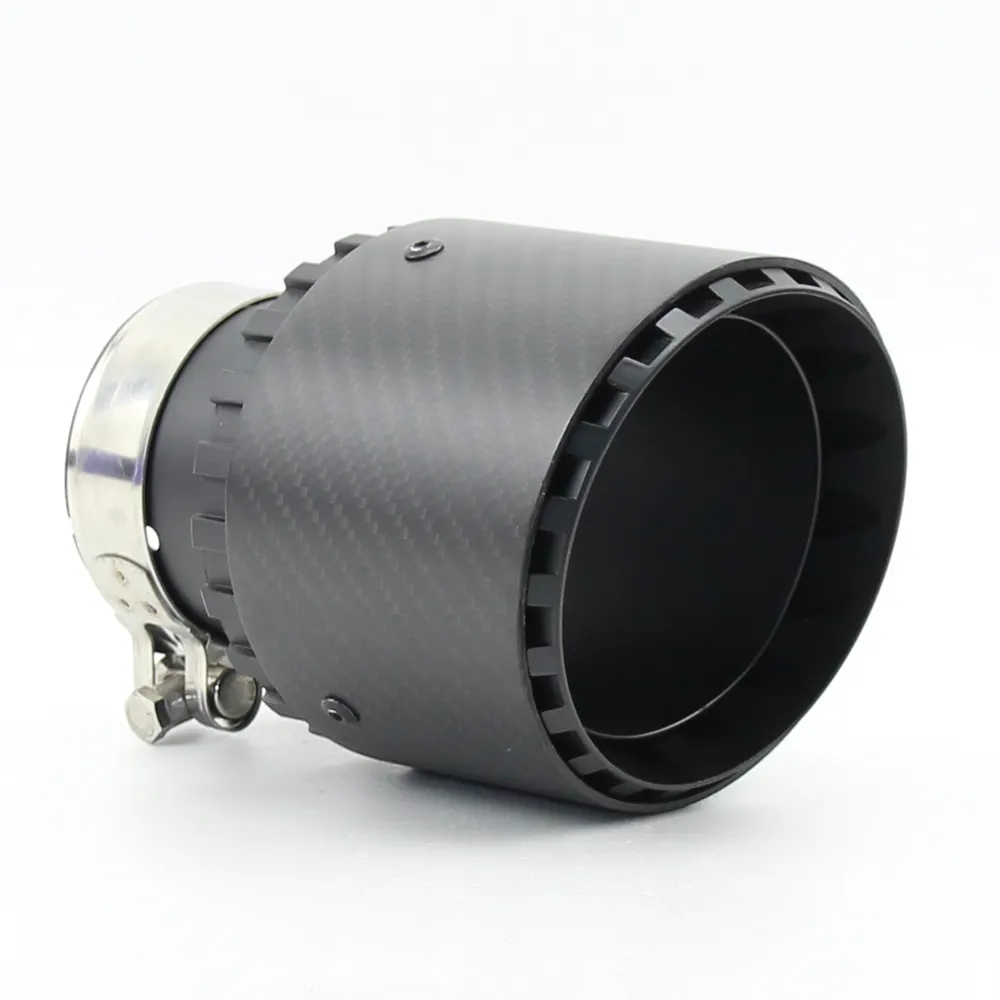
Straight Pipes
Straight pipes are the simplest and most economical option. Built from materials like stainless steel or aluminum, they are ideal for everyday driving and offer a balanced performance. They are easy to install and maintain, making them a popular choice for drivers who value reliability and cost-effectiveness.
Cat-Back Pipes
Cat-back pipes are more aggressive, routing exhaust gases through the catalytic converter to enhance performance and reduce engine rpm. These pipes are popular among enthusiasts looking to modify their cars sound and performance. They offer a more robust and noticeable improvement in both sound and feel.
Flow-Through Pipes
Flow-through pipes are designed for high-performance vehicles, allowing gases to flow freely and maximizing torque and horsepower. These pipes are often used in racing or high-performance street cars where every bit of power counts. They provide the ultimate in performance enhancements.
Installed Exhaust Pipes: A Comprehensive Guide
Installed exhaust pipes are professionally installed, ensuring optimal fitment and functionality. Proper installation is crucial to prevent issues such as leaks, misalignment, or incorrect sizing. A professional technician can ensure that the exhaust pipe aligns correctly with the engine, providing the best possible performance.
Benefits of Professionally Installed Pipes
- Optimal Fitment: Professionally installed pipes are tailored to your vehicle, ensuring they fit perfectly and do not interfere with other components.
- Ensured Performance: Professional installers use high-quality materials and follow strict guidelines to ensure the pipes perform as intended.
- Safety: Professionals have the necessary skills and tools to handle the job safely, ensuring no damage is caused to the vehicle.
Common Issues with Improper Installation
- Leaks: Poor installation can lead to leaks, which can damage the engine and waste fuel.
- Misalignment: Incorrectly installed pipes can cause misalignment, affecting the overall performance and reliability of the vehicle.
- Incorrect Size: Mismatched pipes can lead to backpressure and reduced performance.
Aftermarket Exhaust Pipes: Advantages and Disadvantages
Aftermarket exhaust pipes offer greater customization and can significantly enhance a vehicle's performance. However, they come with their own set of trade-offs.
Types of Aftermarket Pipes
Mid-Length Cats
Mid-length cats are designed to replace the factory exhaust system up to the catalytic converter. These pipes offer a balance between performance and noise reduction, making them popular for daily drivers. They provide a moderate level of performance enhancement without being overly aggressive.
Cat-Back
Cat-back pipes route exhaust gases through the catalytic converter and beyond, providing a more aggressive sound and better performance. They are a popular choice for enthusiasts looking to modify their cars sound and appearance.
Tip and Tail
Tip and tail exhaust systems replace the factory tips and tailpipes, offering a more customized look and potentially improving performance. These systems are often used for aesthetic purposes or to enhance the overall look of the car.
Advantages of Aftermarket Pipes
- Customization: Aftermarket pipes can be tailored to match the specific needs and preferences of the vehicle owner.
- Improved Performance: These pipes can reduce backpressure and improve engine performance, leading to enhanced horsepower and torque.
- Styling Options: Aftermarket pipes offer a variety of styles and colors, allowing owners to personalize their vehicle.
Disadvantages of Aftermarket Pipes
- Cost: Aftermarket pipes are generally more expensive than installed pipes, which can be a significant consideration if budget is a concern.
- Fitment: Installation can be challenging and may require modifications to the vehicle.
- Durability: Aftermarket pipes may not be as durable as professionally installed ones, potentially leading to premature wear and tear.
Installation Process and Professional Considerations
The installation process for both installed and aftermarket exhaust pipes can vary significantly. For installed pipes, the process is handled by professionals, who can ensure safety and adherence to manufacturer specifications. This includes tasks like proper torqueing and alignment.
DIY Installation Tips
- Tools and Equipment: Make sure you have the necessary tools, such as torque wrenches and fitting kits.
- Ensure Fitment: Take careful measurements to ensure that the pipes fit properly and do not interfere with other components.
- Testing: After installation, test the pipes for any signs of leaks or misalignment.
Comparison: Installed vs. Aftermarket Exhaust Pipes
When choosing between installed and aftermarket exhaust pipes, it's important to consider your vehicle's specific needs, budget, and desired level of customization.
Installed Exhaust Pipes
- Reliability: Professionally installed pipes are reliable and maintain their performance over time.
- Durability: They are usually built to withstand the rigors of everyday use and potential wear.
- Safety: Professionals ensure that the pipes are installed correctly, reducing the risk of accidents.
Aftermarket Exhaust Pipes
- Customization: Aftermarket pipes offer greater flexibility in terms of appearance and performance.
- Cost: They can be a more budget-friendly option for enhancing performance and sound.
- Aesthetics: These pipes can significantly improve the appearance of your vehicle.
Maintenance and Longevity of Exhaust Systems
Regular maintenance is crucial for the longevity and performance of your exhaust pipes. Tasks like cleaning, checking for leaks, and inspecting the exhaust system can prevent issues that could lead to performance degradation or mechanical failure.
Maintenance Tips
- Clean Your Pipes: Regularly clean the exhaust pipes to remove debris and accumulated dirt.
- Check for Leaks: Inspect the exhaust system for any signs of wear, cracks, or leaks.
- Replace Worn Parts: Promptly replace any damaged or worn-out parts to maintain optimal performance.
Conclusion
In the end, the choice between installed and aftermarket exhaust pipes depends on your priorities. If you value reliability, professionalism, and durability, installed pipes are the way to go. However, if you want customization, flexibility, and potentially higher performance, aftermarket pipes offer the perfect solution. Whatever you choose, make sure it enhances your driving experience and ensures your vehicle remains in optimal condition for years to come.
!
By considering factors such as vehicle age, usage frequency, and customization goals, you can make an informed decision that enhances your driving experience and ensures your vehicle remains in optimal condition for years to come.
Table of Contents
- 1.1.1Straight Pipes
- 1.1.2Cat-Back Pipes
- 1.1.3Flow-Through Pipes
- 3.1.1Mid-Length Cats
- 3.1.2Cat-Back
- 3.1.3Tip and Tail
GET IN TOUCH WITH Us
Copyright © 2026 Shenzhen Maxdo Automotive Parts Co., Ltd. - www.maxdoexhaust.com | Sitemap | privacy policy