Please fill out the form below to request a quote or to request more information about us. please be as detailed as possible in your message, and we will get back to you as soon as possible with a response. we're ready to start working on your new project, contact us now to get started.
Understanding the Basics of Auto Exhaust Systems
2026-09-07
Maxdo
29
Auto exhaust systems are a vital component of modern vehicles, ensuring performance, safety, and environmental responsibility. Have you ever wondered how your car's exhaust system manages to channel those harmful gases away, making your drive safer and more eco-friendly? In this guide, well explore the essential aspects of auto exhaust systems, from basic components to maintenance and performance impact. So, lets dive in and get a clear understanding of how these systems function and why proper care is essential for your cars longevity and environmental footprint.
Understanding Auto Exhaust Systems
Imagine driving your car, enjoying the smooth ride, and not realizing that behind the scenes, a complex system is working tirelessly to protect the environment. Auto exhaust systems do just thatchanneling harmful exhaust gases from the engine to the outside air, reducing noise, and improving fuel efficiency. Without an effective exhaust system, your car would be a major contributor to air pollution, affecting both your performance and the environment.
The auto exhaust pipe, also known as the muffler, plays a critical role in this process. Situated between the engine and the wheels, it not only reduces noise but also helps manage emissions. However, exhaust systems are more than just a single pipe; they are a network of components that work together to ensure efficient exhaust gas management.
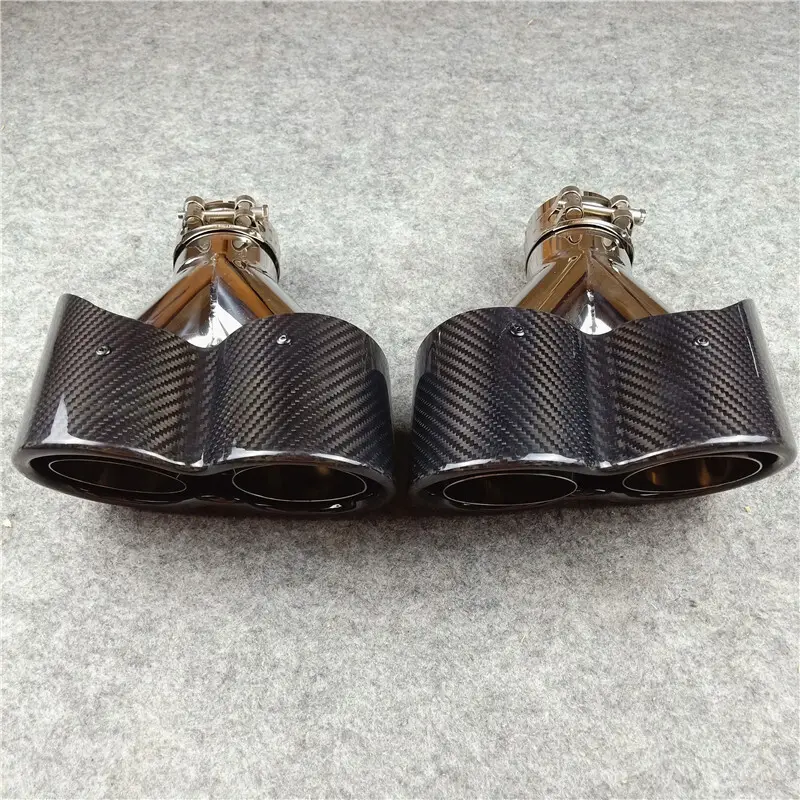
The Functions of Auto Exhaust Pipes
The auto exhaust pipe is the backbone of the entire exhaust system. Its primary functions are vital to the performance and safety of your vehicle:
1. Engine Side Pipe (EGR): The EGR is the first component closest to the engine. It channels exhaust gases away from the engine and helps reduce noise.
2. Muffler: Located between the EGR and the catalytic converter, the muffler reduces the volume and frequency of exhaust noise.
3. Catalytic Converter: Situated between the muffler and the tailpipe, the catalytic converter transforms harmful emissions (like nitrogen oxides and carbon monoxide) into less harmful compounds.
These components work together to ensure that your engine runs smoothly and that the emissions produced are as clean as possible.
Types of Auto Exhaust Pipes
Understanding the different types of auto exhaust pipes is crucial for choosing the right one for your vehicle:
1. OEM (Original Equipment Manufacturer) Exhaust Pipes
- Description: These are the factory-installed exhaust pipes that come with your car. They are designed to work seamlessly with the engine and other components.
- Pros: Reliable and durable.
- Cons: May not provide the best performance or enhance the exhaust sound.
2. Performance Exhaust Pipes
- Description: Designed to enhance your car's performance by improving power, torque, and exhaust sound.
- Pros: Boosts performance and sound.
- Cons: More expensive and can be noisier.
3. Custom Exhaust Pipes
- Description: Specifically designed for your car and can offer the best performance and sound.
- Pros: Tailored to your vehicle's specifications.
- Cons: More expensive and require custom modifications.
Each type of exhaust pipe has its own unique benefits and drawbacks, making it essential to choose the right one based on your specific needs and budget.
Symptoms and Troubleshooting of Auto Exhaust Pipe Issues
Exhaust pipes may seem simple, but they can develop subtle issues that can affect your cars performance and safety. Knowing what to look for can save you from costly repairs. Here are some common symptoms and how to troubleshoot them:
- Leaks: If your exhaust pipe is leaking, it can cause exhaust gases to seep into your engine, affecting performance and potentially damaging your engine.
- Rust: Older exhaust pipes are more prone to rust, especially in humid environments. Inspect them regularly.
- Damaged Components: The catalytic converter or muffler may become damaged or worn over time, leading to reduced performance and increased emissions.
- Severe Noise Levels: Excessive exhaust noise can indicate a problem with the pipe or muffler.
To troubleshoot these issues, start by inspecting the exhaust pipe for visible signs of damage, such as cracks, rust, or kinks. For leaks, use a spray nozzle to inject water into the pipe and listen for sounds that indicate where the leak is. A vacuum can also help identify internal issues.
If youre unsure about the cause of the problem, take your car to a professional mechanic for a thorough inspection.
Maintenance and Installation of Auto Exhaust Pipes
Proper maintenance and installation are crucial for ensuring that your exhaust system remains in top condition. Here are some essential tips:
Maintenance
Regular maintenance is key to keeping your exhaust system in good shape:
- Clean the Exhaust Pipe: Regular cleaning with a mild cleaning solution can remove debris and prevent rust and noise issues.
- Inspect for Damage: Check the exhaust pipe and muffler for any signs of damage, replacing worn-out components as soon as they appear.
- Check for Leaks: Address any leaks immediately to prevent further engine damage.
Installation
Installing a new exhaust pipe requires careful attention to detail:
- Clean the Area: Remove any debris from the installation area to ensure a proper seal.
- Use High-Quality Adhesives: Apply a high-quality adhesive to the joint between the exhaust pipe and the muffler to ensure a tight seal.
- Follow Manufacturer Instructions: Always follow the manufacturers instructions for precise installation.
Professional installation is highly recommended to avoid leaks, noise, and other performance issues.
Performance Impact of Auto Exhaust Pipes
Choosing the right exhaust pipe can significantly impact your cars performance, including its horsepower, fuel efficiency, and exhaust sound:
- Performance Exhaust Pipes: These pipes enhance your cars performance by improving power, torque, and exhaust sound. However, they can be more expensive and produce a noisier exhaust.
- OEM Exhaust Pipes: Reliable and durable, but may not offer the best performance or sound.
- Custom Exhaust Pipes: Offer the best performance and sound but require custom modifications.
Balancing performance with fuel efficiency is key when selecting the right exhaust pipe.
Environmental Impact and Regulations
Exhaust pipes play a critical role in reducing emissions and protecting the environment. However, they are not without their environmental impact. Heres how they contribute:
- Emissions Reduction: Performance exhaust pipes, equipped with catalytic converters, reduce harmful emissions to meet strict environmental regulations.
- Environmental Regulations: Many countries have strict regulations on vehicle emissions, and exhaust systems are a key part of meeting these standards.
Regular maintenance and proper installation can ensure that your car meets these regulations and contributes to a cleaner environment.
The Importance of Proper Exhaust System Maintenance
In conclusion, understanding your cars exhaust system is crucial for maintaining its performance and environmental responsibility. Proper maintenance and installation of the exhaust system can prevent costly repairs and ensure that your car remains reliable and efficient for years to come.
By following the guidelines in this guide, you can ensure that your cars exhaust system is in optimal condition and contributes to a cleaner environment. Regular maintenance and inspection will not only enhance your cars performance but also save you money in the long run. So, take the time to care for your vehicles exhaust system and enjoy the peace of mind that comes with a well-maintained car.
Table of Contents
- 5.1Maintenance
- 5.2Installation
GET IN TOUCH WITH Us
Copyright © 2026 Shenzhen Maxdo Automotive Parts Co., Ltd. - www.maxdoexhaust.com | Sitemap | privacy policy