Please fill out the form below to request a quote or to request more information about us. please be as detailed as possible in your message, and we will get back to you as soon as possible with a response. we're ready to start working on your new project, contact us now to get started.
Troubleshooting Common Problems with Vehicle Exhaust Systems
2026-09-06
Maxdo
17
The vehicle exhaust system is a critical component that aids in the efficient operation of your engine and ensures a safer driving experience. Understanding how the exhaust system works and recognizing the signs of potential issues can help you keep your vehicle running smoothly and safely. Lets dive into the key aspects of the exhaust system and how to troubleshoot common problems.
Recognizing Symptoms of an Exhaust System Problem
The exhaust system is designed to direct exhaust gases from the engine safely out of the vehicle. When this system malfunctions, it can cause a variety of issues, from unusual noises to decreased performance. Here are some common symptoms to watch out for:
1. Unusual Noises: Listen for any unusual sounds, such as hissing, bubbling, or a deep resonant growl. These noises can indicate a problem with the exhaust system.
2. Black Smoke: If you notice black smoke coming from your vehicle, it could be a sign of a failing catalytic converter or other components in the exhaust system.
3. Decreased Fuel Efficiency: A faulty exhaust system can reduce fuel efficiency. This is often due to increased friction and resistance in the exhaust flow.
4. Decreased Power: You might feel a loss of power or a rough engine idle. This can indicate issues with the exhaust system that are affecting fuel or air intake.
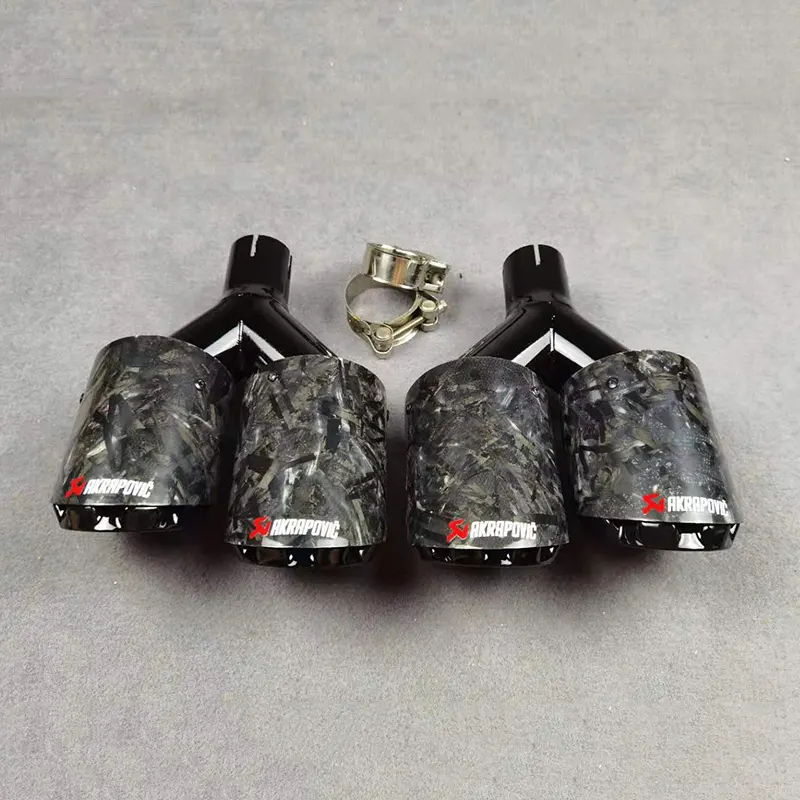
Step-by-Step Checklist for Diagnosing Exhaust System Issues
To properly diagnose exhaust system problems, follow these steps:
1. Visual Inspection: Begin by thoroughly checking the exhaust system for any visible signs of damage. Look for rust, cracks, or worn gaskets. Pay particular attention to the vehicle exhaust pipe, as it is a critical component that can often fail. Worn or damaged pipes can lead to leaks and other issues.
2. Listening Tools: Use a stethoscope or your ears to listen for any abnormal noises coming from the exhaust system. Different sounds can indicate different issues. For instance, a hissing noise might indicate a leak at a joint or connection, while a growling sound could suggest a problem with the vehicle exhaust pipe itself.
3. Fluid Level Checks: Check the fluid level in the exhaust system, such as the coolant reservoir, for any signs of leaks or contaminants. Ensure that the coolant and fluid levels are regularly checked and maintained. This helps to prevent overheating and ensures optimal engine performance.
4. Diagnostic Tools: Use an OBD-II diagnostic tool to check for any error codes related to the exhaust system. This can provide valuable insights into the root cause of the problem. Pay special attention to any error codes related to the vehicle exhaust pipe, as they can indicate specific issues with this component.
Addressing Common Exhaust Pipe Problems: Leaks and Cracks
Leaks and cracks in the exhaust system are common issues that can affect both performance and safety. Heres how to address these problems:
1. Identify the Source: Determine the exact location of the leak or crack. Use a visual inspection and listening for sounds to pinpoint the problem. The vehicle exhaust pipe is a prime suspect if you hear noises coming from this area.
2. Professional Inspection: Take your vehicle to a certified mechanic for a comprehensive inspection. They can identify the cause and provide the necessary repairs. Your mechanic will be able to pinpoint whether the issue is with the vehicle exhaust pipe or another component.
3. Welding and Patching: In some cases, welding or patching the damaged area can fix the leak or crack. This is a common repair method for minor issues. For the vehicle exhaust pipe, this might involve patching the welded area to ensure it remains sealed.
4. Component Replacement: If the damage is extensive, complete replacement of the faulty component may be necessary. This could involve pipes, gaskets, or other exhaust components. For a failed vehicle exhaust pipe, a complete replacement will be necessary to maintain the integrity of the exhaust system.
Managing Corrosion in the Exhaust System
Corrosion can significantly degrade the exhaust system over time, leading to leaks, cracks, and uneven exhaust flow. Heres how to prevent and manage corrosion:
1. Sources of Corrosion: Corrosion is often caused by exposure to moisture and oxygen. Environmental factors such as high humidity and heavy rain can accelerate the process. The vehicle exhaust pipe is particularly vulnerable to corrosion, especially if it is exposed to moisture and harsh elements.
2. Preventive Measures: Regularly clean the exhaust system to remove any buildup of dirt and debris. Use protective coatings or additives to enhance corrosion resistance. Apply a layer of protective coating to the vehicle exhaust pipe at regular intervals to prevent corrosion and maintain its integrity.
3. Inspect Regularly: Check the exhaust system for signs of rust and corrosion, especially in areas that are open to the elements. Replace any damaged components as soon as possible. Pay particular attention to the vehicle exhaust pipe, as any damage here can significantly affect system performance.
4. Environmental Factors: Store your vehicle in a dry, sheltered area to minimize exposure to moisture. Consider using a protective cover or parking in a garage when possible. If youre storing your vehicle in a garage, ensure that the area is well-ventilated to prevent moisture buildup.
The Role of Mufflers in Exhaust System Functionality
Mufflers are an essential part of the exhaust system, primarily designed to reduce noise and improve engine efficiency. Heres how mufflers contribute to overall performance:
1. Noise Reduction: Mufflers use various techniques to dampen the noise produced by the high-pressure exhaust gases. Popular designs include chambers and sound-absorbing materials. These components play a critical role in maintaining a smooth and quiet driving experience, ensuring that the vehicle exhaust pipe operates efficiently.
2. Airflow Management: Mufflers help to manage the airflow through the exhaust system, reducing turbulence and improving the flow of exhaust gases. This can lead to a smoother engine operation and better fuel efficiency. The vehicle exhaust pipe and the mufflers work together to ensure that exhaust gases are released efficiently and quietly.
3. Real-World Applications: In high-performance vehicles, specialized mufflers can enhance both engine performance and noise reduction. For example, race cars often use custom mufflers optimized for both power output and sound. Custom exhaust systems, including the vehicle exhaust pipe, can significantly improve engine performance and drivability.
Managing Overheating and Performance Deterioration
Overheating of the exhaust system can lead to reduced performance and potential failure. Heres how to manage and prevent overheating:
1. Check Exhaust Flow: Ensure that the exhaust gases are flowing smoothly without any blockages. A clear and unobstructed path is crucial for optimal performance. The vehicle exhaust pipe is a key component in maintaining this flow, so keep it in good condition.
2. Regular Maintenance: Regularly check and replace any worn-out components, such as gaskets or pipes. This helps to maintain the integrity of the exhaust system. Make sure to inspect the vehicle exhaust pipe during these checks to ensure it remains in good condition.
3. Coolant and Fluid Levels: Ensure that the coolant and fluid levels are regularly checked and maintained. This helps to prevent overheating and ensures optimal engine performance. Pay attention to the fluid levels in the vehicle exhaust pipe as well, as any leaks can lead to overheating.
4. Proper Ventilation: Ensure that the exhaust system is properly ventilated to allow for the safe release of exhaust gases. Blockages can lead to overheating and decreased performance. Regularly check the vehicle exhaust pipe for any blockages or signs of wear.
Maintaining Your Vehicles Exhaust System
Maintaining your vehicle's exhaust system is crucial for ensuring optimal performance and safety. By understanding the symptoms of potential issues, following a step-by-step diagnostic checklist, and taking preventive measures against corrosion and other problems, you can keep your vehicle running smoothly.
By regularly inspecting and maintaining your exhaust system, you can avoid costly repairs and ensure that your vehicle continues to operate efficiently and safely. Remember, small issues can turn into bigger problems if left unaddressed, so stay proactive and keep your exhaust system in top condition.
Stay vigilant and proactive with your vehicle's maintenance to keep it running smoothly. A well-maintained exhaust system will not only enhance the driving experience but also help you avoid potential hazards on the road.
GET IN TOUCH WITH Us
Copyright © 2026 Shenzhen Maxdo Automotive Parts Co., Ltd. - www.maxdoexhaust.com | Sitemap | privacy policy