Troubleshooting Common Issues with Land Rover Defender Exhaust Systems
Understanding the Importance of the Land Rover Defender Exhaust System
The Land Rover Defender's exhaust system is a critical component that significantly impacts both the vehicle's performance and its overall durability. This system is responsible for managing exhaust gases, generating engine power, and creating a pleasant driving experience. Proper maintenance of the exhaust system is essential to ensure optimal performance and longevity. Neglecting regular checks can lead to issues that compromise your vehicle's efficiency and could result in costly repairs down the line. Understanding the role of the exhaust system is the first step in effectively troubleshooting any potential problems.
Common Symptoms of a Failing Land Rover Defender Exhaust System
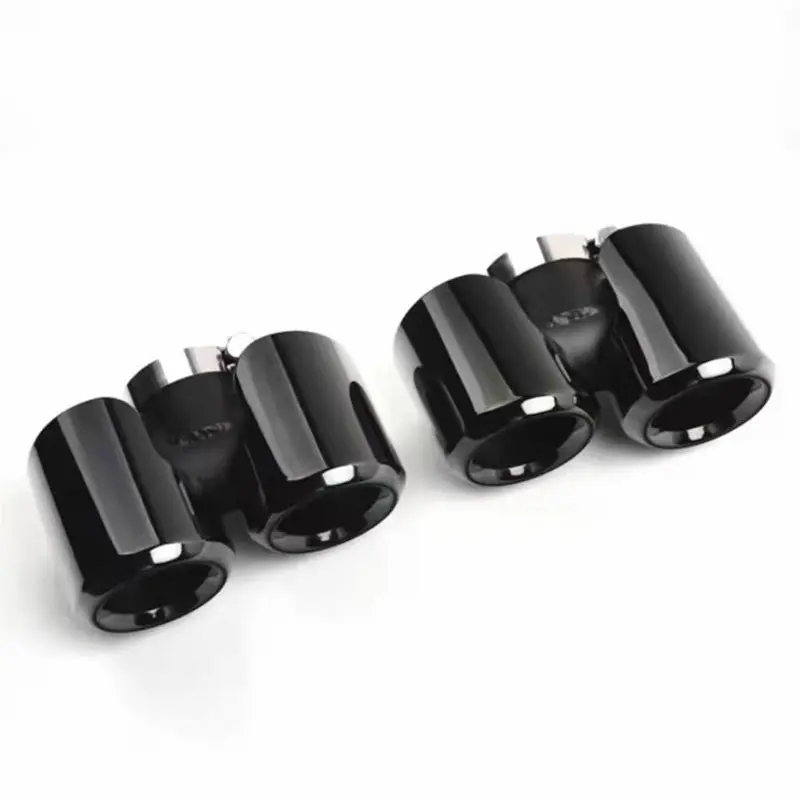
When the exhaust system is not functioning properly, it can manifest in various symptoms that need immediate attention. One of the primary signs of a failing exhaust is unusual noises coming from the vehicle. These could be a strange hissing or clattering sound, which might indicate a crack or corrosion in the system. Another common symptom is exhaust fluid leaking onto the ground, typically from the tail pipe, which could be a sign of a failing catalyst or Rivera joint. Additionally, a loss of engine power or decreased performance is often indicative of a faulty muffler or exhaust catalyst. If these issues are ignored, they can lead to more significant problems such as engine damage or even a breakdown.
Identifying and Addressing Leaks in the Land Rover Defender Exhaust System
Leaks in the exhaust system can be caused by a variety of factors, including corrosion, worn-out parts, or improper installation. Identifying the cause of a leak is the first step in addressing the issue effectively. A good starting point is to inspect the connections in the exhaust pipe for any signs of wear or damage. If a leak is detected, it is crucial to locate the source of the leak. This may involve checking the catalytic converter, Rivera joint, or other components that could be contributing to the problem. Once the leak is identified, it can be repaired or replaced as needed. Proper sealing techniques, such as using a gasket or O-ring, can help prevent future leaks and ensure the system's longevity.
Solving Muffled Sound and Performance Issues
A muffled exhaust sound and decreased vehicle performance can be concerning signs that something is wrong with your Land Rover Defender's exhaust system. These issues are often related to the catalyst, which is responsible for reducing emissions and improving the exhaust's performance. However, a faulty catalyst can also lead to a muffled sound and a loss of power, making it essential to diagnose and address the problem promptly. To recognize the extent of the issue, pay attention to whether the exhaust system is not only muffled but also whether the engine is working less efficiently. If these symptoms are present, replacing the catalyst with a new one may be necessary. Alternatively, inspecting and cleaning the catalyst can sometimes extend its life without the need for a complete replacement.
Diagnosing and Repairing Corrosion in the Land Rover Defender Exhaust System
Corrosion is a common issue in exhaust systems, especially in harsh environments. It can lead to significant problems, such as damaged catalytic converters, cracked tailpipes, and reduced performance. Identifying the signs of corrosion is the first step in addressing the issue. Look for discoloration, pitting, or rust in the exhaust components. Over time, corrosion can cause the system to fail, leading to costly repairs. To prevent further damage, it is important to inspect the system regularly and address any signs of corrosion promptly. Once the extent of the damage is determined, replacing corroded parts with high-quality originals is essential. Additionally, using corrosion inhibitors can help maintain the integrity of the system and extend its lifespan.
Maintenance Tips for Extending the Lifespan of Your Land Rover Defender Exhaust System
To ensure the longevity of your Land Rover Defender's exhaust system, regular maintenance is crucial. This involves inspecting the system for wear and tear, cleaning the components to maintain proper function, and replacing parts as needed. A routine inspection should include checking the catalyst, Rivera joint, and exhaust pipes for any signs of damage or corrosion. Cleaning the catalyst with a specialized degreaser can help restore its performance, while inspecting the Rivera joint for any cracks or wear ensures that the system remains sealed properly. Additionally, replacing worn-out parts, such as gaskets and O-rings, can help maintain the system's efficiency and prevent future issues. Consistent and thorough maintenance can significantly extend the lifespan of your exhaust system and ensure optimal performance.
Professional Repair Options vs. DIY Exhaust System Repairs for Your Land Rover Defender
When it comes to repairs, the choice between a professional and a DIY approach depends on the complexity of the issue and your level of expertise. Professional mechanics are trained to diagnose and repair exhaust systems accurately, minimizing the risk of further damage. They have access to a wide range of tools and components, ensuring that repairs are performed efficiently and safely. DIY repairs, while potentially cost-effective, require a good understanding of the system and may not always be feasible or safe. For minor repairs, such as cleaning or replacing a small part, attempting a DIY fix could be viable. However, for more complex issues, involving a professional mechanic is strongly recommended to ensure the system is repaired correctly and safely. In summary, while DIY options are available, professional repairs are generally the best choice to maintain the integrity and performance of your Land Rover Defender's exhaust system.
By following these troubleshooting steps and maintenance tips, you can ensure that your Land Rover Defender's exhaust system operates efficiently and lasts for years to come. Regular checks and professional attention to any potential issues will help prevent performance degradation and extend the vehicle's lifespan.