Please fill out the form below to request a quote or to request more information about us. please be as detailed as possible in your message, and we will get back to you as soon as possible with a response. we're ready to start working on your new project, contact us now to get started.
The Ultimate Exhaust Kit Tuning Checklist
2026-09-03
Maxdo
25
Imagine the thrill of driving with every note of your engine meticulously tuned for power and efficiency. The sound resonates with authority, a symphony of raw energy and precision. Tuning your valve exhaust kit is not just about enhancing performance; it's about elevating the entire driving experience to new heights. This guide will take you through the essential steps to achieve peak performance, ensuring you experience the track-ready sound and enhanced performance of your vehicle.
Exploring the Types of Valve Exhaust Kits for Optimal Performance
Understanding the different types of valve exhaust kits is crucial for making an informed decision. There are primarily three types: stock exhaust systems, performance exhaust systems, and custom exhaust kits.
- Stock Exhaust Systems
Stock exhaust systems are factory-fitted and designed to meet legal emission standards. While they provide a balanced performance, they often have aspects that can be optimized for enhanced power and efficiency.
- Performance Exhaust Systems
Performance exhaust systems are designed to deliver maximum power and responsiveness. They are typically deeper, longer, and made of lightweight materials like aluminum or stainless steel. These systems offer increased airflow and can substantially boost horsepower and torque.
- Custom Exhaust Kits
Custom exhaust kits are tailored to your specific vehicle and performance needs. They often combine features from both stock and performance exhaust systems to achieve a balance of power, sound, and durability.
Each type of exhaust kit has its unique benefits and trade-offs. For instance, a performance kit might offer significant power gains but at the cost of higher noise levels, whereas a custom kit can provide a balanced approach that meets both performance and noise standards.
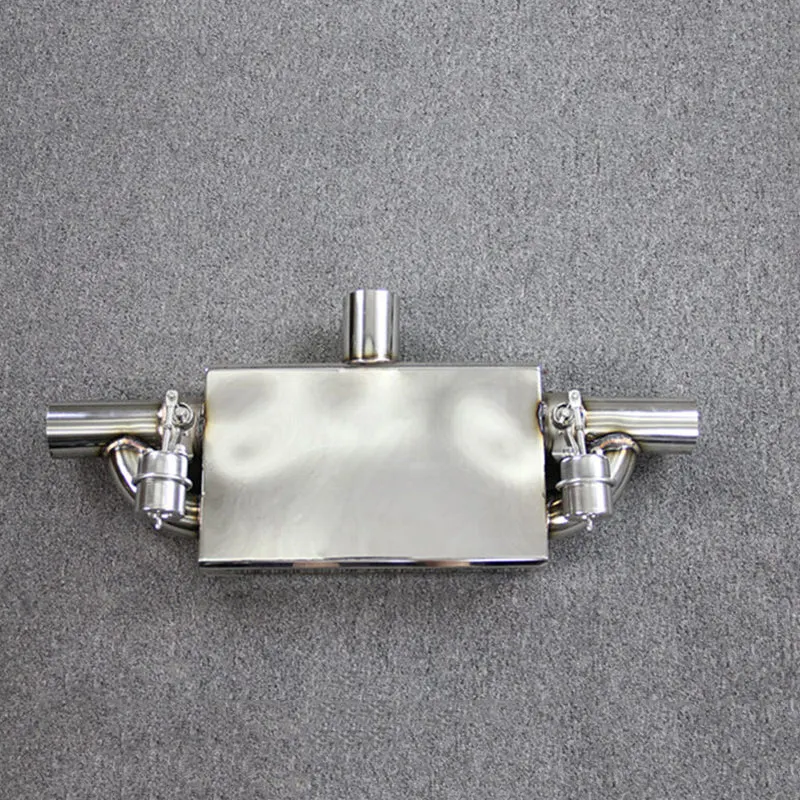
Evaluating Valve Exhaust Kit Components
Each component of a valve exhaust kit is vital to achieving optimal performance. Lets break down the key components and their functions.
- Mufflers
Mufflers control sound levels and backpressure. High-quality mufflers reduce noise while minimizing power loss. They are designed to balance these two aspects to provide a pleasurable and refined exhaust note.
- Catalytic Converters
Catalytic converters are crucial for meeting emissions standards. Aftermarket catalytic converters can be designed to increase performance without compromising too much on emissions, making them ideal for those looking to enhance power output.
- Pipe Sections
Pipe sections are responsible for directing exhaust gases efficiently. They come in different lengths and configurations, each affecting the engines performance in unique ways. Longer pipes can increase torque, while shorter pipes can enhance horsepower. Understanding how these sections work together is crucial for optimal tuning.
Tuning Considerations for Optimal Performance
Tuning your valve exhaust kit is a meticulous process that involves adjusting various elements to achieve the best possible performance. Here are the key tuning considerations:
- Adjusting Flow Rates
Optimizing the flow rate ensures efficient exhaust gas expulsion, allowing the engine to breathe and perform better. This often involves adjusting the manifold and header pipes to ensure balanced flow. For example, if you increase the flow rate in the intake manifold, you can enhance the engines torque and horsepower.
- Managing Backpressure
Backpressure occurs when there is resistance in the exhaust system. Too much backpressure can limit power and efficiency. Balancing backpressure is crucial for achieving the right power output without sacrificing fuel efficiency. This can be managed by slightly enlarging the pipe diameters or using high-flow mufflers.
- Balancing Power and Efficiency
To achieve optimal performance, it's essential to strike a balance between power and efficiency. Techniques such as boring and porting can be used to enhance flow and efficiency. For instance, boring the cylinders can increase the volume of air and fuel mixture, leading to more power.
- Reading and Interpreting Dyno Charts
Dyno charts are essential for gauging the effectiveness of your exhaust kit. By analyzing these charts, you can understand how your modifications are affecting performance. Regularly using a dynamometer can help you fine-tune your exhaust system for peak performance. For example, you might notice a significant gain in horsepower but a small loss in torque, which can be adjusted by modifying the exhaust configuration.
Installation Process and Safety Tips
Installing a valve exhaust kit requires meticulous preparation and execution. Heres a step-by-step guide to ensure a safe and successful installation:
1. Preparation and Tools
- Ensure you have all the necessary tools and protective gear. Common tools include wrenches, torque wrenches, and protective clothing.
2. Installation Steps
- Prepare the Vehicle: Remove any existing parts and ensure the vehicle is clean and organized.
- Install the Manifold: Attach the new exhaust manifold to the engine. Ensure it is securely fastened and properly aligned.
- Install Header Pipes: Fit and align the header pipes with the manifold. Use the appropriate fasteners and ensure tight connections.
- Install Mufflers and Tailpipe: Attach the mufflers and tailpipe securely. Ensure all connections are tight and free from leaks.
- Final Assembly: Check all connections, secure any loose parts, and ensure everything is functioning correctly.
3. Safety Precautions
- Follow Safety Guidelines: Wear appropriate protective gear, such as gloves and goggles, during installation.
- Use Proper Tools: Ensure all tools are in good condition and used correctly to avoid damage to the vehicle.
- Avoid Common Mistakes: Common issues include misaligned parts, improper torque settings, and incorrect installation of catalysts.
By following these steps and precautions, you can ensure a safe and successful installation process.
Maintaining Your Valve Exhaust Kit
Regular maintenance is crucial to preserving the longevity and performance of your valve exhaust kit. Here are some key maintenance tips:
- Cleaning and Inspecting
- Clean Regularly: Use a high-pressure water jet or a specialized cleaning solution to remove dirt and debris from the exhaust system.
- Inspect for Damage: Regularly check for signs of corrosion, cracks, or loose connections. Address any issues immediately to prevent further damage.
- Replacing Components
- Check for Wear: Replace worn-out components such as gaskets and seals to ensure a tight seal and prevent leaks.
- Replace When Necessary: Consider replacing parts like the muffler or catalytic converter if they start to affect performance or efficiency.
- Performing Routine Checks
- Check Fluid Levels: Ensure all fluids, such as coolant, are at the correct levels.
- Regular Inspections: Schedule regular inspections by a professional to catch any issues early.
By maintaining your valve exhaust kit, you can ensure it continues to perform at its best.
Maximizing the Potential of Your Valve Exhaust Kit
In conclusion, the valve exhaust kit is a critical component in optimizing your vehicles performance. By understanding the types of valve exhaust kits, evaluating your components, and tuning your system effectively, you can achieve the best possible results.
Taking a cautious and informed approach to tuning ensures that you maximize your vehicles potential. Whether youre a seasoned enthusiast or a new tuner, this guide provides the knowledge and tools you need to take your valve exhaust kit to the next level.
With each modification and tune, your vehicle will get closer to its true potential. So, dive into the world of valve exhaust kit tuning and experience the thrill of optimized performance. Share your experiences in the comments below to inspire others on their tuning journey!
GET IN TOUCH WITH Us
Copyright © 2026 Shenzhen Maxdo Automotive Parts Co., Ltd. - www.maxdoexhaust.com | Sitemap | privacy policy