Please fill out the form below to request a quote or to request more information about us. please be as detailed as possible in your message, and we will get back to you as soon as possible with a response. we're ready to start working on your new project, contact us now to get started.
The Role of Bumpers in Modern Safety Features
2026-08-22
Maxdo
5
The world of automotive safety places great importance on components that often go unnoticed, and bumpers are at the forefront of this importance. Rooted in history, bumpers have evolved from simple devices to integral safety features that significantly enhance vehicle protection. From their humble beginnings to their current role in modern safety, these often-overlooked elements have undergone significant transformations, making them a cornerstone of automotive safety.
The Genesis and Purpose of Bumpers in Modern Automobiles
Bumpers first appeared in the early 20th century as simple devices designed to shield vehicles from minor collisions. Initially made of rigid materials like wood and chrome, these bumpers offered limited protection. Over time, manufacturers began using more resilient materials and designs to enhance their effectiveness. Today, modern bumpers are advanced systems that absorb and dissipate energy during collisions, reducing the force on passengers. They are designed with crush zones that allow vehicles to deform gradually, minimizing injuries. This evolution reflects the need for vehicles to withstand increasingly severe accidents, making them indispensable in today's automotive landscape.
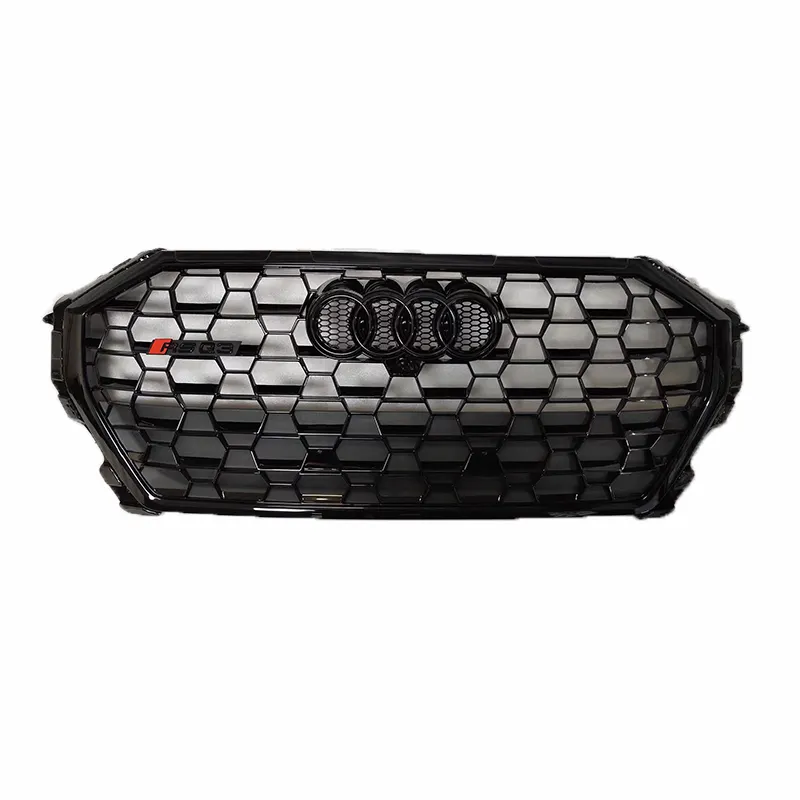
The Multi-Faceted Benefits of Modern Bumpers
Modern bumpers offer a range of benefits that enhance safety. They absorb and dissipate energy during collisions, reducing the force on occupants. Advanced designs, such as crush zones, allow vehicles to deform gradually, minimizing injuries. Additionally, modern bumpers incorporate features like collapsible panels that protect passengers during side collisions. These innovations reflect a significant leap forward in collision resistance. By absorbing impact forces, bumper design plays a critical role in protecting drivers and passengers, making modern bumpers crucial for safety.
Comparative Analysis: Traditional vs. Modern Bumpers
Traditional bumpers were bulky and less efficient, often made from materials that did not absorb energy well. They were primarily designed to handle minor impacts, offering basic protection. In contrast, modern bumpers are designed with efficiency in mind. They use materials that can absorb and dissipate energy, and they incorporate features like collapsible panels, which allow for better energy absorption during collisions. This comparison highlights the superior performance of modern bumpers, showcasing their advancements in safety and protection.
The Role of Bumpers in Passive Safety Features
Bumpers play a critical role in passive safety systems, such as airbags and seatbelts. During a collision, bumpers can disengage or adjust, contributing to a safer environment. By absorbing energy, bumpers reduce the force transmitted to passengers, working in tandem with passive safety systems to minimize injuries. This interplay between bumper design and passive systems underscores their crucial role in overall safety. Modern bumpers work seamlessly with airbags and seatbelts, enhancing the protective capabilities of the vehicle.
Innovative Design Elements in Contemporary Bumpers
Contemporary bumpers feature innovative elements that enhance safety and efficiency. For example, skid plates prevent rollovers by absorbing lateral forces. Impact sensors allow bumpers to adjust their shape during collisions, optimizing protection. Aerodynamic improvements reduce wind noise and improve fuel efficiency. These features demonstrate how modern design enhances both safety and performance, making contemporary bumpers more integrated and effective than ever before.
The Interplay Between Bumpers and Active Safety Systems
The interplay between bumper design and active safety systems is critical for enhancing safety. For instance, advanced bumpers can influence suspension systems to absorb shocks more effectively. Integration with sensors allows bumpers to predict and respond to collisions, enabling safer driving. This synergy between bumper design and active systems illustrates their combined role in enhancing safety. By working together, bumpers and active safety systems create a safer driving environment, reducing the risk of injury and damage.
Future Trends and Emerging Roles of Bumpers
Looking ahead, bumpers are expected to evolve with sustainable materials, such as recycled metals and plant-based polymers. Advanced technologies, like integrated smart systems, will further enhance safety. These trends aim to make bumpers lighter, more durable, and more integrated with other vehicle components, promoting a safer driving experience. Future bumpers will continue to adapt to new technologies, ensuring they remain at the forefront of automotive safety.
Real-World Applications and Case Studies
Case studies highlight the impact of advanced bumper designs. For instance, bumpers with collapsible panels have been shown to reduce injuries in side collisions. Studies have also demonstrated improved safety in new car models with innovative bumper designs, underscoring their real-world benefits. These examples illustrate how modern bumper technology can make a difference in real-life driving scenarios, providing tangible improvements in safety.
The Economic and Societal Impact of Enhanced Bumper Designs
Improved bumper designs benefit manufacturers by reducing injury costs and lowering repair expenses. This economic advantage can reduce insurance premiums and consumer costs, making vehicles more affordable and safer to drive. Sociologically, safer bumpers contribute to lower accident rates, reducing strain on healthcare systems and promoting safer road usage. Enhanced bumper designs not only protect drivers and passengers but also contribute to a safer society.
The Indispensable Role of Bumpers in Modern Safety Features
Bumpers, from their humble beginnings to their advanced forms, are essential components of automotive safety. They protect passengers through energy absorption and integrate with passive and active systems. As technology advances, bumpers will continue to evolve, playing a vital role in safer driving. Their indispensable role in modern safety underscores their importance in protecting both drivers and passengers. By understanding and appreciating the role of bumpers, we can better recognize the value they bring to everyday driving.
Table of Contents
GET IN TOUCH WITH Us
Copyright © 2026 Shenzhen Maxdo Automotive Parts Co., Ltd. - www.maxdoexhaust.com | Sitemap | privacy policy