Please fill out the form below to request a quote or to request more information about us. please be as detailed as possible in your message, and we will get back to you as soon as possible with a response. we're ready to start working on your new project, contact us now to get started.
The Latest Innovations in Automotive Exhaust Tubing Technology
2026-09-06
Maxdo
35
In the ever-evolving automotive industry, the role of automotive exhaust tubing has long been a critical component in ensuring vehicles meet emissions standards and deliver optimal performance. From its early iterations in the mid-20th century, exhaust tubing has undergone significant advancements, driven by the need for lighter, stronger, and more efficient designs. Today, it is a cornerstone of modern vehicle engineering, with innovations in materials, manufacturing techniques, and design philosophies reshaping the sector.
The Evolution of Automotive Exhaust Tubing: Performance and Sustainability
The automotive exhaust tubing industry has come a long way since its early days. Traditional exhaust tubing was primarily made from steel, offering adequate performance but not ideal for modern vehicle designs. The shift towards more advanced materials and production methods has transformed the landscape, delivering systems that are not only lighter and more efficient but also more environmentally friendly.
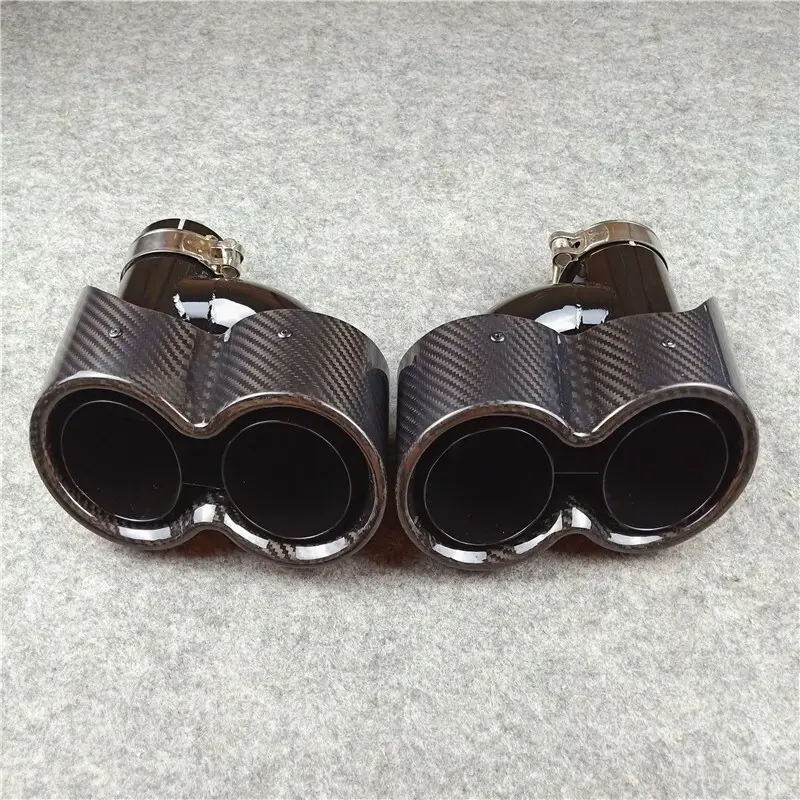
Key Challenges in Designing Modern Exhaust Tubing
Designing modern automotive exhaust tubing presents a myriad of challenges. One of the primary concerns is weight reduction, as lighter vehicles are becoming the norm in the pursuit of fuel efficiency and improved performance. Achieving this without compromising durability and strength is a delicate balance that requires meticulous engineering. Additionally, the selection of materials has become increasingly complex, with the need for lightweight, high-strength alloys, titanium, and advanced composites playing a pivotal role in modern designs.
Another critical challenge is emission reduction. Stringent regulations demand that vehicles meet increasingly tighter emissions standards. This necessitates the development of innovative solutions that can reduce both NOx and particulate emissions, often through the use of catalytic converters and other emission control systems. The environmentally conscious drive towards sustainability is also influencing the design and production of exhaust tubing, pushing manufacturers to adopt materials and techniques that minimize environmental impact.
Revolutionizing Materials: The Future of Exhaust Tubing
The advent of new materials is driving significant advancements in automotive exhaust tubing. Advanced alloys, such as aluminum-based alloys and steel alloys with added reinforcements, are being widely adopted for their superior strength-to-weight ratios. Titanium and its alloys have also gained popularity due to their exceptional strength and lightness, making them ideal for high-performance vehicles. In recent years, composite materials, including fiber-reinforced polymers and metal matrix composites, have emerged as game-changers. These materials not only offer exceptional strength and durability but also provide the flexibility needed for complex automotive applications. For instance, carbon fiber-reinforced composites are being increasingly used in lightweight tubular components, offering a perfect blend of strength, flexibility, and corrosion resistance.
High-Tech Manufacturing Techniques: Innovations in Production
Advancements in manufacturing processes are enabling the production of more precise, consistent, and customized automotive exhaust tubing. Techniques such as laser cutting and CNC machining are being employed to achieve higher levels of accuracy and efficiency. Additionally, 3D printing is revolutionizing the production of complex, customized exhaust components, allowing for intricate designs that were previously unattainable. Another notable innovation is the use of H Gent cutting, a process that allows for the creation of highly durable and fatigue-resistant tubular components. These manufacturing techniques not only enhance the quality of the final product but also reduce waste and improve sustainability in the production process.
The Future of Exhaust Tubing in Electric and Hybrid Vehicles
The rise of electric and hybrid vehicles is bringing about transformative changes in the automotive exhaust tubing industry. One of the key innovations in this space is the development of active exhaust systems, which use sensors and actuators to dynamically adjust the exhaust flow and optimize performance. These systems not only enhance the driving experience but also contribute to improved fuel efficiency. Additionally, the use of modular exhaust systems, which allow for easy installation and replacement of components without affecting the overall structure of the vehicle, is becoming a standard feature in modern vehicles. Furthermore, the integration of scrubbers in hybrid and electric vehicles is helping to reduce emissions, marking a significant step forward in environmental sustainability.
How Exhaust System Innovations Affect Vehicle Efficiency
Improvements in automotive exhaust tubing directly translate to enhanced vehicle efficiency and performance. For instance, the use of lightweight materials and advanced manufacturing techniques can significantly reduce the weight of the exhaust system, leading to improved fuel efficiency. Additionally, the development of quieter exhaust systems is reducing noise levels, contributing to a more pleasant driving experience. The integration of active exhaust management systems further enhances this by optimizing exhaust flow based on driving conditions, resulting in better thermal management and reduced emissions. These innovations not only benefit the environment but also contribute to a more seamless and enjoyable driving experience for consumers.
Environmental Impact: Sustainability in Exhaust Tubing
As the automotive industry moves toward sustainability, the role of automotive exhaust tubing is no different. Innovations in recycling and reuse technologies are being implemented to reduce the environmental footprint of exhaust tubing production. For example, the development of post-consumer recycling programs is helping to create a circular economy, where materials are recovered and repurposed, reducing waste and conserving resources. Furthermore, the use of sustainable materials, such as recycled metals and biodegradable composites, is aligning with global efforts to combat climate change and promote environmental stewardship. In addition, the adoption of stricter emissions standards and the implementation of advanced emission control systems are helping to reduce the carbon footprint of vehicles, making the industry more aligned with sustainability goals.
Case Study: Cutting-Edge Exhaust System Implementation
To illustrate the impact of innovation in automotive exhaust tubing, let us take a look at a recent implementation in a high-performance vehicle. The vehicle in question features a modular exhaust system that integrates advanced catalytic converters and active exhaust management technology. The exhaust tubing is made from a combination of advanced aluminum alloys and high-performance composites, providing both strength and weight reduction. The system also includes a sophisticated sensor network that allows for real-time monitoring and adjustment of exhaust flow, ensuring optimal performance under varying driving conditions. The result is a vehicle that not only boasts improved fuel efficiency and reduced emissions but also delivers a more thrilling driving experience. The implementation of this system has been met with widespread positive feedback from both consumers and industry experts, highlighting the potential of innovative exhaust tubing technologies.
A Comparative Analysis of Traditional vs. Modern Exhaust Tubing
To better understand the advancements in automotive exhaust tubing, it is worthwhile to conduct a comparative analysis of traditional and modern exhaust systems. While traditional exhaust tubing is typically made from steel and offers adequate performance, modern innovations offer significant improvements in terms of durability, weight, and efficiency. Advanced alloys and composite materials provide greater strength-to-weight ratios, allowing for the creation of more efficient and lightweight exhaust systems. Additionally, modern systems are often equipped with active management technologies, such as sensors and actuators, which enhance performance and reduce emissions. These improvements not only benefit the environment but also contribute to a more competitive and high-performance vehicle.
Embracing the Future of Automotive Exhaust Tubing
In conclusion, the automotive exhaust tubing industry is at the forefront of innovation, with advancements in materials, manufacturing techniques, and design philosophies reshaping the sector. From the development of advanced alloys and composites to the integration of high-tech manufacturing processes, these innovations are driving the creation of more efficient, lightweight, and sustainable vehicles. As electric and hybrid vehicles continue to gain prominence, the role of innovative exhaust tubing technologies in improving fuel efficiency and reducing emissions becomes even more critical. By embracing these advancements, the automotive industry is not only meeting the demands of environmental regulations but also setting the stage for a more connected and efficient future. As research and development continue to evolve, there is no limit to the potential of automotive exhaust tubing to revolutionize the industry and deliver an even better driving experience for consumers.
Table of Contents
GET IN TOUCH WITH Us
Copyright © 2026 Shenzhen Maxdo Automotive Parts Co., Ltd. - www.maxdoexhaust.com | Sitemap | privacy policy