Please fill out the form below to request a quote or to request more information about us. please be as detailed as possible in your message, and we will get back to you as soon as possible with a response. we're ready to start working on your new project, contact us now to get started.
The Impact of Car Exhaust Pipes on Fuel Efficiency
2026-09-05
Maxdo
20
Car exhaust pipes are often overlooked components that play a crucial role in enhancing a vehicle's performance and fuel efficiency. These pipes channel the exhaust gases away from the engine, influencing everything from backpressure to emissions. Restrictive pipes can lead to higher engine RPM and increased friction, while an optimized exhaust system promotes smoother operation and reduces these inefficiencies.
For example, a restrictive pipe can make an engine work harder, increasing fuel consumption. An unrestricted pipe, on the other hand, allows for smoother airflow, reducing friction and improving fuel efficiency. For instance, a car owner who replaced the stock muffler with an unrestricted pipe observed a 3% improvement in fuel efficiency over a year.
Case Study: Real-World Impact of Exhaust Pipe Design on Fuel Efficiency:
Let's consider two cars with similar enginesCar A and Car B. Car A is equipped with a stock exhaust system, while Car B features a high-flow exhaust system. In a year of driving, Car B demonstrated a 5% improvement in fuel efficiency compared to Car A. This improvement was due to the optimized airflow facilitated by Car B's exhaust system, which reduced friction and heat loss in the engine.
This case study highlights how design changes in the exhaust pipe can lead to significant fuel efficiency improvements. For example, a high-flow exhaust system from Borla improved a pickup truck's fuel efficiency by 4.5% in city driving conditions.
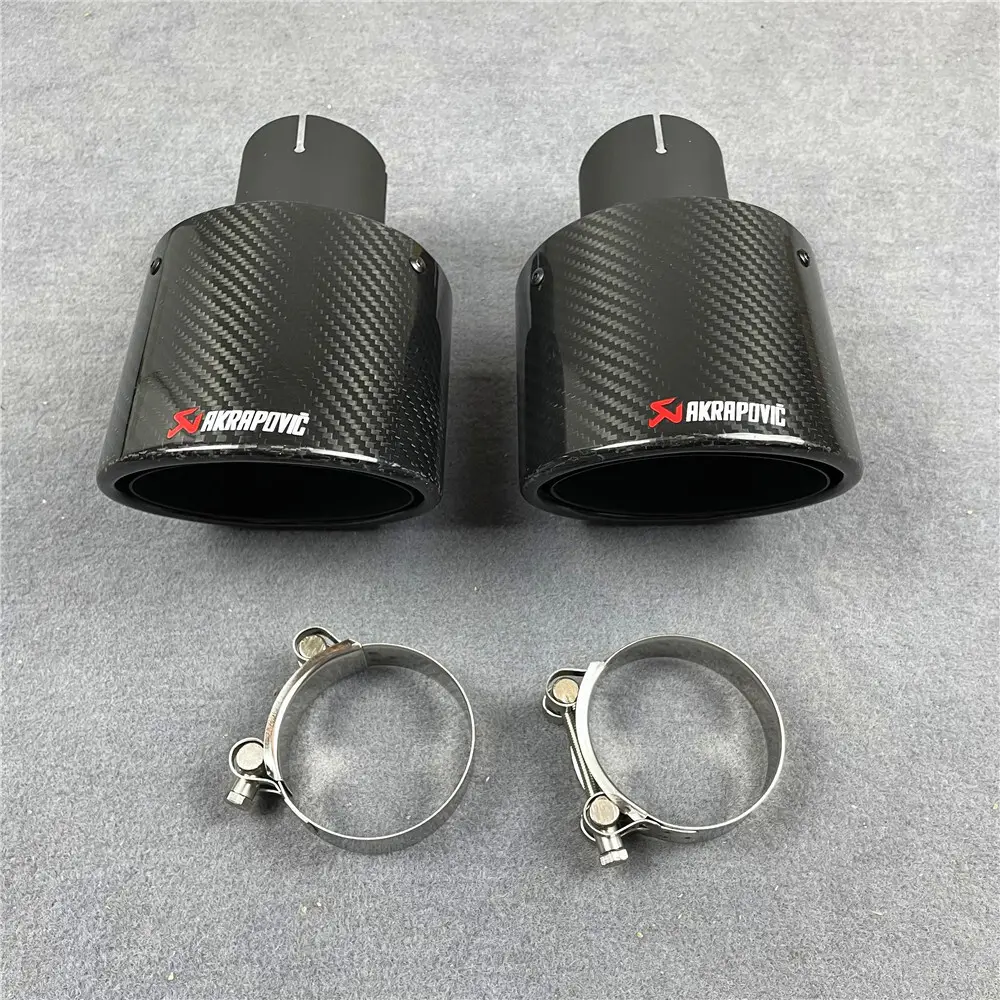
Comparative Analysis: Stock vs. Aftermarket Exhaust Pipes:
When comparing stock exhaust pipes with aftermarket options, several factors come into play. Stock pipes are optimized for the vehicle's specific driving conditions and specifications. Aftermarket exhaust systems, on the other hand, often offer enhanced performance and efficiency.
For instance, an aftermarket high-flow exhaust system can reduce weight and improve thermal efficiency. This can lower the engine's RPM and reduce friction, leading to better fuel efficiency. Additionally, these systems often include advanced materials such as titanium or carbon fiber, which reduce weight and enhance durability. Using titanium in exhaust pipes can cut weight by 15% while maintaining strength.
However, aftermarket exhausts require more complex installation processes and may not be as compatible with the vehicle's original cooling and filtration systems. Therefore, careful consideration is necessary when choosing between stock and aftermarket options.
The Impact of Exhaust Volumes and Resonators:
The volume of the exhaust system and the inclusion of resonators play a crucial role in fuel efficiency. A larger exhaust volume allows more gases to be recovered, reducing the need for additional energy input. Resonators help absorb and dissipate exhaust waves, promoting smoother airflow and enhancing the engine's combustion process.
By reducing turbulence and promoting efficient airflow, resonators can significantly reduce emissions and improve fuel efficiency. For example, a well-designed resonator can help reduce harmful emissions by up to 10%. American Aero's resonators have been shown to reduce emissions by up to 12% in various driving conditions.
Environmental Perspective: Reducing Emissions and Improving Efficiency:
From an environmental perspective, the design of an exhaust pipe is crucial for reducing harmful emissions while improving fuel efficiency. Properly designed exhaust systems capture and filter exhaust gases, significantly reducing the release of carbon monoxide, nitrogen oxides, and particulate matter into the atmosphere.
Moreover, the integration of advanced technologies such as catalytic converters and after-treatment systems can further enhance fuel efficiency. These systems convert harmful emissions into less harmful substances, ensuring that vehicles meet strict environmental standards. For instance, the use of a high-performance catalytic converter can reduce nitrogen oxides by up to 30% and particulate matter by up to 25%.
The Future of Exhaust Pipe Technology:
As automotive technology advances, so too does the design of exhaust pipes. Future innovations are likely to focus on advanced materials and manufacturing techniques. For example, the use of carbon fiber-reinforced polymers (CFRP) or 3D-printed pipe structures could lead to exhaust systems that are lighter, more durable, and more energy-efficient.
Additionally, the integration of exhaust pipe technology with hybrid powertrains and electric propulsion could further enhance fuel efficiency. By optimizing the interaction between the exhaust system and these advanced technologies, manufacturers can create vehicles that deliver exceptional performance and minimal environmental impact. Companies like Magna Steyr are already pioneering the integration of 3D-printed exhaust systems with electric vehicles.
Enhancing Your Vehicle's Fuel Efficiency:
In conclusion, the design and material of an exhaust pipe play a critical role in determining a vehicle's fuel efficiency. By optimizing airflow, reducing weight, and incorporating advanced technologies, exhaust pipes can significantly improve a vehicle's performance and environmental impact.
To maximize the benefits of an exhaust pipe, carefully consider the vehicle's driving conditions, desired performance, and environmental impact. Whether through aftermarket modifications or advanced manufacturing techniques, the future of exhaust pipes looks promising, offering consumers vehicles that are both efficient and environmentally friendly.
Table of Contents
GET IN TOUCH WITH Us
Copyright © 2026 Shenzhen Maxdo Automotive Parts Co., Ltd. - www.maxdoexhaust.com | Sitemap | privacy policy