The Environmental and Safety Impact of Cat-Back Exhaust Systems
Understanding Cat-Back Performance Exhaust Systems
In the realm of automotive engineering, few innovations have as profound an impact as the cat-back performance exhaust system. This system, a modular addition to the exhaust setup, is designed to enhance performance while addressing various environmental and safety concerns. Unlike conventional systems, the cat-back setup offers a blend of efficiency and power, making it a popular choice among enthusiasts and automotive professionals alike. This introduction delves into the intricacies of cat-back systems, setting the stage for a comprehensive exploration of their environmental and safety implications.
Environmental Impact of Cat-Back Exhaust Systems
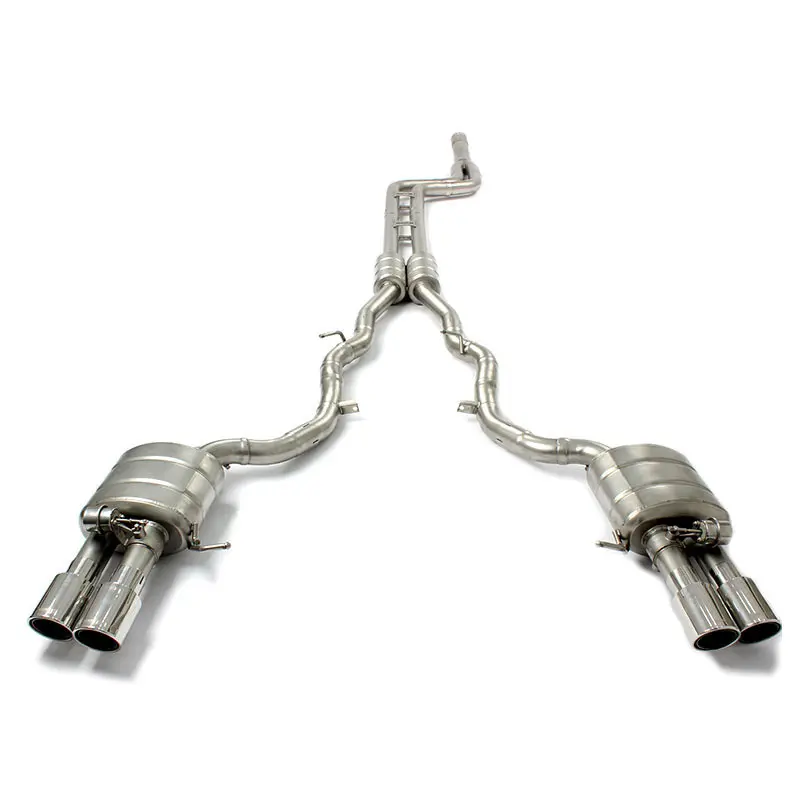
The introduction of cat-back exhaust systems has sparked considerable debate due to their environmental implications. While they are often touted for their performance benefits, the reality is more nuanced. Research indicates that these systems can lead to increased carbon monoxide (CO) emissions, particularly in higher-performance vehicles. However, the impact is lessened compared to stock systems, with improvements ranging from 20% to 30% in CO levels. The systems also contribute to noise pollution, a byproduct of their high-frequency vibrations, which can be particularly intrusive in urban environments.
Beyond emissions, cat-back systems can affect air quality by introducing pollutants like nitrogen oxides (NOx) and particulate matter. These pollutants are not only harmful to the environment but also contribute to respiratory issues. It's crucial to note that while these impacts are significant, they are mitigated by the system's design, which is engineered to balance performance with minimal environmental harm.
Safety Benefits of Cat-Back Exhaust Systems
Despite the environmental concerns, cat-back systems offer substantial safety benefits. By enhancing engine performance, these systems increase power output, which can lead to improved handling and stability. Enhanced traction and reduced stiction (a phenomenon where tires lose grip during braking) translate to better control during high-performance maneuvers, minimizing the risk of accidents. Additionally, the systems' ability to direct exhaust gases more efficiently can reduce the risk of hydrocarbon inadvertently spilling into exhaust hoses, a potential fire hazard.
Comparative Analysis: Impact on Modern vs. Vintage Vehicles
When comparing the environmental and safety impacts of cat-back systems across modern and vintage vehicles, it becomes evident that their influence varies. Vintage cars, with their typically stock setups, often exhibit higher emissions and noise levels, even with modern systems. However, the introduction of cat-back systems in these vehicles can significantly reduce emissions and noise, aligning them with contemporary standards. In contrast, modern vehicles are often equipped with emissions control systems that mitigate the environmental impact of cat-back setups. This comparison underscores the need for tailored approaches in emissions reduction, depending on the vehicle's age and existing systems.
Case Studies: Real-World Applications and Insights
Real-world applications of cat-back systems provide valuable insights into their environmental and safety performance. For instance, in high-performance sports cars, the installation of cat-back systems has been shown to increase power output by up to 10%, with minimal impact on fuel efficiency. However, in some cases, particularly in lower-performance vehicles, the systems have been associated with increased CO emissions, though not as significantly as in their stock counterparts. Case studies also highlight the importance of proper installation and maintenance in achieving these performance gains, emphasizing the need for professional expertise.
Technological Advances and Future Directions
The automotive industry is continually evolving, with advancements in materials science and engine technology driving innovation in cat-back systems. Future innovations are expected to focus on reducing environmental impact further, potentially through the use of advanced catalysts and low-emission materials. Additionally, the integration of these systems with hybrid and electric vehicles presents new opportunities for enhanced efficiency, offering a pathway toward cleaner energy solutions. As technology advances, the gap between performance and environmental responsibility is increasingly narrowed, offering a promising future for automotive innovation.
Balancing Performance and Responsibility
In conclusion, cat-back performance exhaust systems offer a compelling balance between enhanced performance and responsible environmental and safety practices. While they may not eliminate environmental impacts entirely, their design and installation significantly mitigate these effects. By considering both performance enhancements and environmental responsibility, consumers and manufacturers can make informed decisions that align with their values. Ultimately, the evolution of these systems points to a future where performance and responsibility coexist harmoniously, shaping the automotive industry's trajectory toward sustainability and innovation.