Please fill out the form below to request a quote or to request more information about us. please be as detailed as possible in your message, and we will get back to you as soon as possible with a response. we're ready to start working on your new project, contact us now to get started.
Step-by-Step Guide to Upgrading Your Audi S3 Exhaust System
2026-09-08
Maxdo
52
Your Audi S3s exhaust system is more than just a series of metal components; its a key element that enhances the performance and driving experience. Understanding its components and the benefits of upgrading can transform your S3 into a true driving machine.
Understanding Your Audi S3 Exhaust System
At the heart of your Audi S3's exhaust system is the catalytic converter. This component ensures that your emissions meet environmental standards while also helping your engine run more efficiently. By upgrading the catalytic converter, you can achieve smoother engine operation and reduced exhaust backpressure.
The muffler plays a crucial role in directing exhaust gas flow, reducing noise and ensuring a smoother idle. Upgrading the muffler can enhance sound clarity and reduce harshness, giving you a more refined driving experience.
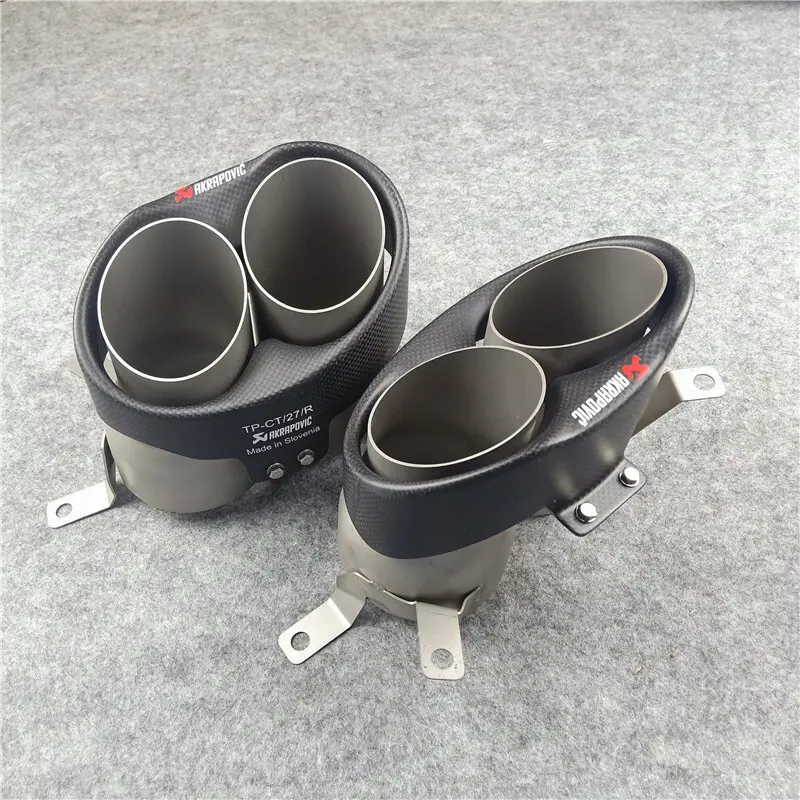
The tailpipes extend from the muffler to the rear of the vehicle, contributing significantly to the exhaust sound. Upgrading the tailpipes can significantly enhance the signature S3 sound, bringing that thrilling roar to your daily drives.
Benefits and Considerations of Upgrading
Upgrading your Audi S3 exhaust system offers several significant advantages. However, there are also considerations to keep in mind:
- Improved Performance: Upgrading the exhaust system can increase power output and torque, making your S3 more responsive and quicker on the road.
- Increased Exhaust Flow: A well-designed exhaust system allows for better airflow, reducing backpressure and enhancing performance.
- Enhanced Sound: Whether you prefer a deeper, richer exhaust note or a more aggressive sound, you can tailor the system to your taste.
Potential Drawbacks:
- Increased Noise Levels: While the benefit of an enhanced exhaust sound might excite you, increased noise levels, especially in urban environments, can be a concern.
- Compatibility and Additional Adjustments: Modifications to other components, such as the intake or engine tuning, may be necessary to achieve a balanced system.
Choosing the Right Exhaust System for Your Audi S3
Selecting the right exhaust system involves several critical factors. Heres how to make the best choice:
- Brand Reputation: Choose reputable brands known for durability and quality, such as Borla, Megapipe, and Akrapovi.
- Material Quality: High-grade materials like stainless steel offer durability and resistance to corrosion. Ensure the material is compatible with your specific model year to avoid compatibility issues.
- Compatibility: Verify that the system is designed for your exact model year and aligns with its unique engine characteristics. Custom fitting and tuning can help ensure a seamless integration.
- Custom Fitting and Tuning: Consider the importance of custom fitting and tuning for optimal results. These modifications can significantly enhance performance and ensure all components work in harmony.
Installation Process: A Step-by-Step Guide
Installing the new exhaust system requires precision and care. Follow these detailed steps to ensure proper installation:
Step 1: Preparation
- Tools Needed: Socket set, wrenches, adjustable pliers, torque wrench, and safety gear (gloves and goggles).
- Removal: Carefully remove the old exhaust system components, starting with the catalytic converter, followed by the muffler and tailpipes. Handle each part gently to avoid damage.
Step 2: Installation
- New Components: Take out the new catalytic converter, muffler, and tailpipes. Ensure they are compatible and have the correct fitment.
- Installation Order: Install the catalytic converter first, followed by the muffler and tailpipes. Ensure all connections are secure and aligned properly.
- Torque Specifications: Use a torque wrench to tighten all connections according to the manufacturer's specifications. This ensures a secure and leak-free installation.
Step 3: Final Checks
- Leak Check: Use compressed air or a smoke test to check for any leaks.
- Alignment and Fitment: Ensure all components are aligned and fit well. Adjust as needed to achieve a smooth flow and optimal performance.
Tuning and Configuration for Optimal Performance
Fine-tuning your exhaust system can significantly impact performance. Heres how to optimize your new setup:
- Flow Management: Adjust the system's flow to match your driving style. This can be done by modifying the airflow path to enhance performance.
- Using Tuning Software: Utilize reputable tuning software to further optimize the system. This can help achieve the perfect balance between performance and sound.
- Testing and Tweaking: Regularly test your system under various conditions. Adjust settings as needed to ensure optimal performance and responsiveness.
Maintenance and Care for Your New Audi S3 Exhaust System
Proper maintenance is essential for the longevity of your upgraded exhaust system. Here are some tips:
- Cleaning: Regularly clean the system to prevent corrosion and maintain efficiency.
- Leak Checks: Periodically check for leaks and ensure all connections are secure.
- Professional Help: Address any issues promptly, and consider consulting a professional for tailored advice.
Final Thoughts and Next Steps
Upgrading your Audi S3 exhaust system is a rewarding project that enhances both performance and driving experience. By carefully selecting the right components, following a detailed installation process, and maintaining proper tuning, you can achieve the desired results.
Consider consulting a professional for tailored advice to ensure a smooth and effective upgrade. The benefits are clear: a more responsive engine, a richer sound, and a driving experience that truly matches the name S3.
By taking the time to plan and execute your upgrade, you can transform your Audi S3 into a true driving machine. Enjoy the thrill of newfound performance and the satisfaction of a well-executed upgrade.
Table of Contents
GET IN TOUCH WITH Us
Copyright © 2026 Shenzhen Maxdo Automotive Parts Co., Ltd. - www.maxdoexhaust.com | Sitemap | privacy policy