Please fill out the form below to request a quote or to request more information about us. please be as detailed as possible in your message, and we will get back to you as soon as possible with a response. we're ready to start working on your new project, contact us now to get started.
Signs Your Hyundai Santa Fe Tail Light Needs Replacing
2026-08-27
Maxdo
53
The Hyundai Santa Fe is a reliable and versatile compact SUV, renowned for its advanced features, including a robust tail light system. These essential lights are crucial for signaling intentions and ensuring visibility, especially at night or in adverse weather conditions. Over time, these lights can malfunction due to wear and tear, accidents, or electrical issues. Recognizing these problems is vital for both your safety and legal compliance.
Common Warning Signs of a Faulty Tail Light
Your Hyundai Santa Fes tail lights can fail in several ways, each presenting distinct warning signs. Here are some of the most common issues:
1. Faded or Flickering Lights: If the lights appear dimmer than usual or flicker on and off, it could indicate a problem with the bulbs or the electrical connections.
2. Non-Functional Lights: If your tail lights don't turn on at all, it's a clear sign of an issue, such as a blown bulb, faulty relay, or a problem with the control module.
3. Abnormal Color or Pattern: Experiencing unusual colors or distorted patterns from your tail lights could mean there's an electrical issue, such as a broken wire or a malfunctioning control module.
Possible causes for these issues include damaged bulbs, loose connections, or problems with the control module. It's crucial to address these signs promptly to prevent further deterioration.
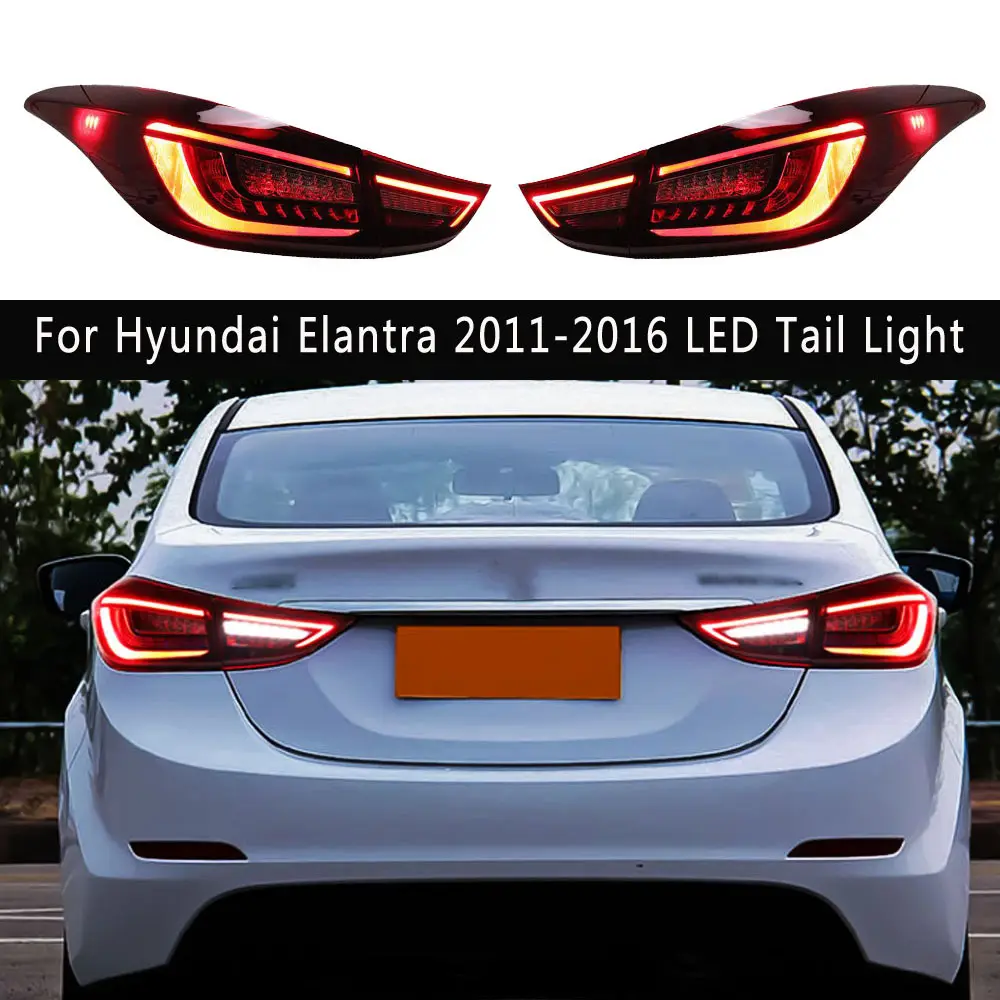
The Impact on Safety and the Law
Tail lights are more than just a convenience; they are a legal requirement. Neglecting minor issues can lead to significant safety hazards, including:
- Reduced Visibility: Dim or faulty lights reduce visibility, making it harder for other drivers to see your vehicle.
- Increased Risk of Accidents: Faulty tail lights can contribute to accidents, as other drivers may misinterpret your signals.
- Legal Consequences: In many jurisdictions, driving with malfunctioning tail lights can result in fines or other legal penalties.
Regular maintenance is not just a good practice; it's a legal obligation for drivers of the Hyundai Santa Fe.
DIY Troubleshooting: Simple Steps and Tools
If you're comfortable with basic car maintenance, you can often fix minor issues yourself. Here are some simple steps to try:
1. Check the Bulbs: Remove the lens to inspect the bulb. Replace it if it's damaged or burned out.
2. Inspect Connections: Look for loose or corroded connections. Clean and tighten them as needed.
3. Verify the Control Module: Check for any obvious issues with the control module, though this can be more complex and may require professional help.
Using basic tools like a screwdriver or a multimeter can help identify and address many common issues. Always follow safety guidelines, such as turning off the car and keeping a grounded metal object nearby.
Professional Replacements: When to Consider Expert Help
Not all tail light issues can be resolved with simple DIY methods. In some cases, professional help is essential. Here are some instances where you should seek expert assistance:
- Complex Wiring Issues: If you're not confident in your ability to diagnose or fix wiring problems, consult a professional.
- Major Damage: Significant damage, such as from an accident, may require replacing the entire assembly.
- Advanced Tail Lights: These multifunctional lights, which handle turn signals, brake lights, and reversing lights, can be intricate to diagnose and fix.
Professional replacements ensure precision and reliability, maintaining your tail lights' functionality.
Long-Term Maintenance Tips
Regular maintenance is key to keeping your Hyundai Santa Fe's tail lights working properly. Here are some tips:
1. Regular Checks: Inspect your tail lights and bulbs every 30,000 miles or as part of your routine maintenance.
2. Preventive Measures: Use protective covers to shield your lights from weather damage.
3. Seasonal Inspections: Check your tail lights more frequently during seasonal changes to catch any issues early.
By staying vigilant, you can reduce the risk of tail light failure and ensure your vehicle remains safe and compliant with the law.
Maintaining Your Hyundai Santa Fes Bright Spot
Your tail lights are a critical component of your Hyundai Santa Fe, serving as a crucial safety feature. Regular maintenance is not just a good idea; it's necessary to ensure both your safety and compliance with the law. By understanding the signs of a faulty tail light, taking appropriate DIY steps, and knowing when to seek professional help, you can keep your lights bright and functioning. Remember, a well-maintained car is a safer car. Stay proactive and keep your tail lights in top condition.
GET IN TOUCH WITH Us
Copyright © 2026 Shenzhen Maxdo Automotive Parts Co., Ltd. - www.maxdoexhaust.com | Sitemap | privacy policy