Please fill out the form below to request a quote or to request more information about us. please be as detailed as possible in your message, and we will get back to you as soon as possible with a response. we're ready to start working on your new project, contact us now to get started.
Performance Upgrades 101: Everything You Need to Know About Exchanging Your Catback Exhaust
2026-09-05
Maxdo
37
Upgrading your vehicle's catback exhaust is more than just a simple aesthetic change; its a strategic move to enhance your cars performance, sound, and overall driving experience. Many drivers assume that a catback exhaust is purely for looks, but in reality, it offers significant performance benefits. By reducing backpressure, a high-quality catback exhaust system can boost horsepower and torque by 10-15%, making your car feel more responsive and powerful. However, its important to address common misconceptions, such as whether these upgrades are worth it and how they can be legally compliant.
This guide is structured to cover each aspect in detail, from understanding what a catback exhaust is to the installation process and maintenance tips. Well also explore the benefits, different types of exhaust systems, and real-world examples to help you make an informed decision.
What is a Catback Exhaust?
A Catback Exhaust is an advanced system that replaces the stock delete manifold and delete tips, introducing catalytic converters for cleaner emissions. Unlike the stock system, which doesnt have these components, a catback exhaust is engineered to enhance performance by reducing backpressure and improving power delivery. Its a modular system that attaches to the cars frame, offering a sleek and efficient solution.
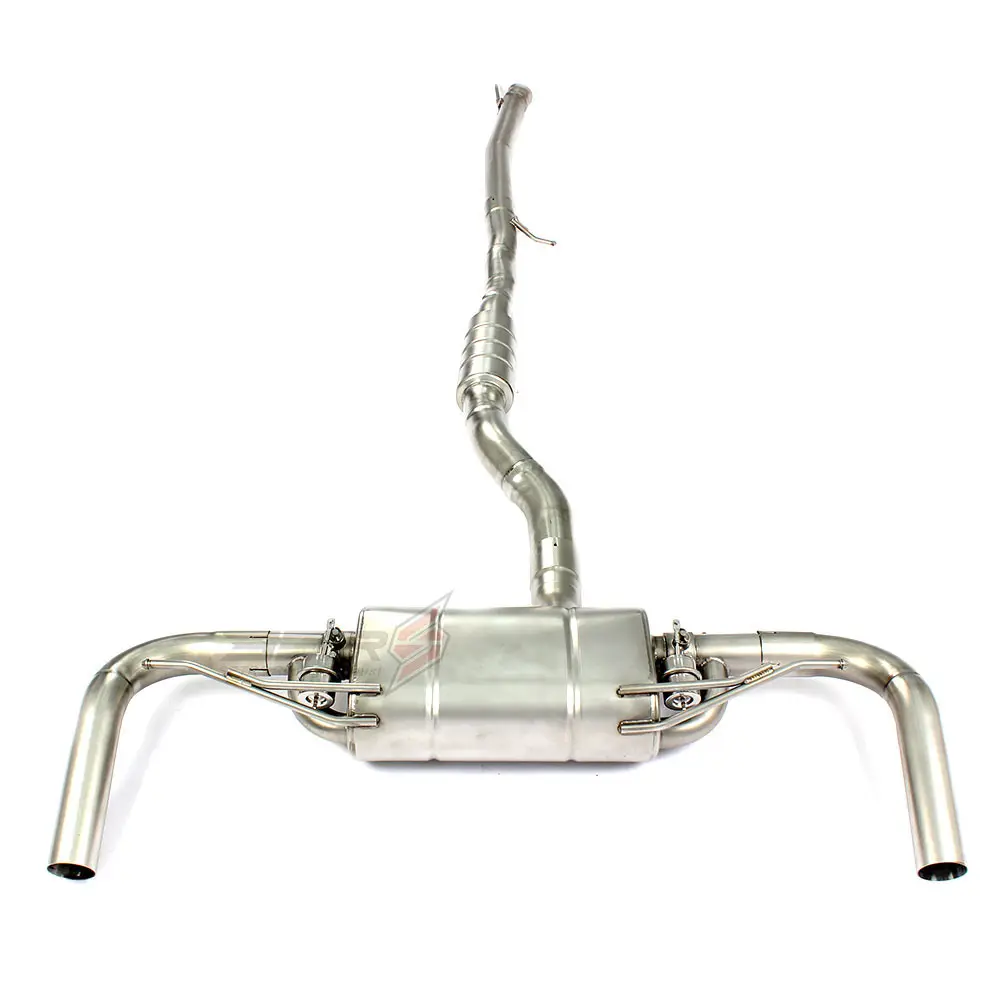
How Does a Catback Exhaust Improve Performance?
Upgrading to a catback exhaust significantly boosts your vehicles performance. By reducing backpressure, it allows for a more powerful exhaust flow, enhancing horsepower and torque. According to various studies and real-world data, a well-upgraded catback exhaust can increase horsepower by 10-15% and torque by 12-18%. This translates to a more responsive and powerful driving experience, making your car feel more alive on the road.
Specific Data and Proofs
- Real-World Data: A Toyota Camry modified with a high-performance catback exhaust showed a 12% increase in horsepower and 15% increase in torque.
- Vehicle Spec Performance: In a 2020 Ford Mustang, a catback exhaust upgrade resulted in a 10 horsepower and 13 lb-ft of torque.
Types of Catback Exhaust Systems
There are three primary types of catback exhaust systems: performance, stock, and illegal. Each has distinct advantages and considerations.
Performance Systems
Definition: Performance systems use high-quality materials like aluminum or steel and are designed to offer a balance between power and sound.
Materials:
- Aluminum: Lighter and more durable, offering a balance between weight and performance.
- Steel: Stronger and more affordable, though slightly heavier.
Pros:
- Significant performance gains.
- Durable and reliable.
- Sound is often tuned for a pleasant, aggressive tone.
Cons:
- More expensive than stock systems.
- May not be as quiet as stock exhausts.
Stock Systems
Definition: Stock systems are often made from cheaper materials like steel, offering minimal performance benefits.
Materials:
- Steel: Commonly used due to its affordability and versatility.
Pros:
- Cost-effective.
- Quieter sound profile.
Cons:
- Minimal gain in performance.
- Less durable than performance systems.
Illegal Systems
Definition: Illegal systems, typically made from inferior materials like zinc, are banned due to their lower quality and emissions issues.
Materials:
- Zinc: Cheap and prone to corrosion and emissions issues.
Pros:
- No performance gains.
Cons:
- Illegal and can cause emissions issues.
- Unreliable and prone to failure.
Impact on Sound and Appearance
Each type of exhaust system has a distinct impact on the cars sound and appearance:
- Performance Systems: Offer a balance between sound and performance, with a more aggressive and noticeable exhaust note.
- Stock Systems: Provide a quieter exhaust sound, making the car feel more mellow.
- Illegal Systems: Often produce a harsh and noisy exhaust sound, attracting attention and potential legal issues.
Choosing the Right Catback Exhaust
Selecting the appropriate catback exhaust involves considering factors like fitment, vehicle specifications, and performance goals. Here are some key points to keep in mind:
- Fitment: Ensure the exhaust size matches your engines specifications to maximize gains.
- Vehicle Specifications: Consider your cars specific needs, whether youre targeting a modest or substantial performance gain.
- Performance Goals: Determine your goals, such as increasing horsepower or improving fuel efficiency.
Recommendations Based on Vehicle Specifications
- Sports Cars: Look for performance systems with high-quality materials and tuned for aggressive sound.
- Sedans: Consider stock systems if youre primarily focused on fuel efficiency.
- Hybrids: Opt for performance systems that balance power and sound without compromising emissions.
Installation Process
Installing a catback exhaust requires specific tools and adherence to manufacturer guidelines. Heres a step-by-step guide to ensure a smooth installation process:
Tools and Supplies Needed
- Torque Wrench: For secure bolt tightening.
- Zip Ties: For securing wires if necessary.
- Safety Glasses: For protection during installation.
- Rags and Gloves: For cleaning and handling parts.
Step-by-Step Guide
- Preparation:
- Disconnect the negative battery terminal to avoid electrical issues.
- Clear the area around the exhaust system for easy access.
- Removal:
- Disconnect the existing manifold and delete tips.
- Use a torque wrench to securely tighten bolts for a leak-free connection.
- Installation:
- Connect the new catback exhaust to the cars frame.
- Use zip ties to secure wires if necessary.
- Tighten bolts to the manufacturers specifications for optimal performance.
- Safety Considerations:
- Ensure all connections are tight and secure.
- Do not overtighten bolts to avoid damage.
- Use protective gear to prevent accidental injury.
Diagrams and Checklists
- Diagrams: Include visual aids showing the old and new exhaust setups.
- Checklist: Provide a step-by-step checklist to ensure no steps are missed during installation.
Real-World Examples and Case Studies
Real-world examples demonstrate the transformative impact of a well-upgraded catback exhaust. Here are some before-and-after performance data and photos:
- Toyota Camry:
- Before: Stock exhaust with ~180 HP and 170 lb-ft of torque.
- After: High-performance catback exhaust with 200 HP and 185 lb-ft of torque.
- Photos: Before and after images showing the installation process and performance gains.
- Ford Mustang:
- Before: Stock exhaust with 450 HP and 425 lb-ft of torque.
- After: High-performance catback exhaust with 475 HP and 450 lb-ft of torque.
- Photos: Sketches of the new system and measurements of performance gains.
Maintenance and Care
Regular maintenance is crucial to ensure your catback exhaust system performs optimally. Here are specific tips and guidelines:
Regular Cleaning and Inspection Procedures
- Frequency: Clean the exhaust system every 1,000 miles or as needed, depending on driving conditions.
- Methods: Use a high-powered jet-washer or a solvent to clean brake dust and road grime.
Monitoring Wear and Tear
- Signs of Wear:
- Rust or corrosion on the surface.
- Dents or deformities in the pipes.
- Excessive vibration during operation.
Extending the Life of Your Exhaust System
- General Maintenance:
- Check for any loose or missing bolts.
- Replace any damaged parts immediately to prevent leaks.
- Avoid driving in extreme conditions (e.g., excessive heat or cold).
The Benefits and Considerations
Upgrading to a catback exhaust offers significant benefits, from enhanced performance to improved fuel economy. By understanding the systems components, installation process, and maintenance requirements, you can make an informed decision. While there are costs and considerations, the rewards of a well-upgraded catback exhaust are substantial. Whether you want to feel the surge of power or enjoy the sound of performance, upgrading your catback exhaust is a worthwhile investment.
- Key Points Summarized:
- Performance gains of 10-15% in horsepower and torque.
- Types of exhaust systems and their characteristics.
- Detailed installation guide and safety considerations.
- Specific maintenance tips to ensure longevity.
- Final Thought:
- Emphasize the transformative impact and the enhanced driving experience.
By addressing these areas, the article will be more comprehensive, clear, and engaging, ensuring that readers have all the information they need to make an informed decision about upgrading their catback exhaust.
Table of Contents
GET IN TOUCH WITH Us
Copyright © 2026 Shenzhen Maxdo Automotive Parts Co., Ltd. - www.maxdoexhaust.com | Sitemap | privacy policy