Land Rover Exhaust Parts for Different Engine Sizes
Introduction:
Imagine youre driving your beloved Land Rover across the rugged terrain of the Scottish Highlands. The roar of its engine fills the cabin, but suddenly, a low-humming noise penetrates, and you realize your exhaust system is starting to show its age. This common issue can significantly impact your driving experience and vehicle performance. Ensuring your Land Rovers exhaust system is in top shape is not just about maintaining efficiency; its about preserving the integrity and longevity of your vehicle. Lets dive into the world of Land Rover exhaust parts and how they can enhance your journey.
What Are Land Rover Exhaust Parts?
The exhaust system is a vital component of your Land Rover, directing exhaust gases away from the engine and out of the vehicle. It consists of several key parts, each playing its unique role in the overall efficiency and performance of your vehicle. Heres a breakdown of the important components:
- Cat Converters: These convert harmful exhaust gases into less polluting forms. They are crucial for meeting emission standards and reducing environmental impact.
- Mufflers: These muffle the noise generated by the exhaust gases, providing a smoother, more pleasant driving experience. Think of them as the sound dampers of your Land Rover.
- Downpipes: These channel exhaust gases toward the catalytic converter, improving the efficiency of wasted energy.
- Exhaust Pipes: These pipes direct exhaust gases away from the engine and into the muffler or downpipe, ensuring a smooth flow of gases.
Exhaust Parts for Different Engine Sizes: A Closer Look
Land Rovers come in various engine sizes, and each size requires specific exhaust parts to optimize performance and efficiency. Lets explore how different engine sizes affect exhaust performance:
1. 2.0L Engine:
- Performance: Moderate power and torque.
- Exhaust Components: Smaller and lighter parts designed for reliability and durability. Key components include robust cat converters and well-constructed mufflers.
- Example: A 2.0L Land Rover would benefit from a straightforward, reliable exhaust system that focuses on maintaining engine performance.
2. 3.0L Engine:
- Performance: Provides a balanced combination of power and fuel efficiency.
- Exhaust Components: Slightly larger and more robust parts to handle increased workload. High-quality downpipes and exhaust pipes are essential.
- Example: A 3.0L Land Rover might see benefits from a high-performance exhaust system designed to enhance both power and efficiency.
3. 4.4L Engine:
- Performance: High power and torque requirements.
- Exhaust Components: Advanced, durable parts to manage the high temperatures and demands of the engine. Precision-fitted cat converters and mufflers are crucial.
- Example: A 4.4L Land Rover would need a sophisticated exhaust system that not only enhances power but also ensures optimal performance and emissions compliance.
Factors to Consider When Choosing Land Rover Exhaust Parts
Choosing the right exhaust parts is a critical decision. Here are key factors to consider:
1. Terrain and Driving Conditions:
- Off-Road Enthusiasts: If you frequently tackle rough terrain, youll need a more aggressive exhaust system to handle higher demands on your vehicle.
- Highway Drivers: If you spend most of your time on highways, focus on parts that enhance performance without sacrificing reliability.
2. Performance vs. Emissions:
- Performance Focus: High-performance exhaust parts can boost power and torque, making your Land Rover more responsive and powerful.
- Emission Efficiency: Aftermarket parts that meet or exceed emission standards ensure compliance while providing performance enhancements.
3. Fitment and Compatibility:
- Proper Fitment: Ensure the exhaust parts fit your specific Land Rover model and engine size. Improper parts can lead to leaks, corrosion, or engine damage.
- Quality Assurance: Invest in high-quality parts from reputable manufacturers to ensure longevity and reliability.
4. Maintenance:
- Regular Cleaning: Regular cleaning of the exhaust system can prevent corrosion and maintain performance.
- Inspection: Regularly inspect for signs of wear, such as cracks or kinks in the exhaust pipes.
- Replacement: Replace parts as soon as they show signs of wear to maintain optimal performance.
Real-World Applications of Exhaust Parts on Land Rovers
Lets look at two real-world applications of exhaust parts to see how they make a difference:
1. Off-Road Adventures:
- Scenario: A landowner with a 4.4L Land Rover wanted to improve performance for off-road adventures.
- Outcome: They installed high-performance exhaust parts that not only enhanced fuel efficiency but also provided a smoother driving experience, making it easier to navigate challenging terrain.
2. Highway Driving:
- Scenario: A long-distance driver with a 3.0L Land Rover used aftermarket exhaust parts to enhance performance on highways.
- Outcome: The modified exhaust system improved engine cooling, reduced noise, and provided a more enjoyable driving experience, even at high speeds.
Comparative Analysis: Stock vs. Aftermarket Exhaust Parts
While stock parts are reliable and cost-effective, aftermarket exhaust parts offer unique benefits:
- Performance Enhancements:
- Aftermarket exhaust parts can significantly improve your vehicles power, torque, and acceleration.
- Example: An aftermarket 3.0L Land Rover exhaust system might boost performance by 10-15 horsepower and 10-15 lb-ft of torque.
- Cost-Benefit Analysis:
- Over the long term, aftermarket parts may save you money by improving fuel efficiency and reducing maintenance costs.
- Example: While aftermarket parts might cost more initially, they can lead to a 5-10% increase in fuel efficiency, saving you $1,000 or more over three years.
- Pros and Cons:
- Pros:
- Improved performance
- Enhanced driving experience
- Value for money
- Cons:
- Higher initial cost
- Potential for increased maintenance
- Risk of reducing emissions (if not properly designed)
Maintenance Tips and Considerations for Land Rover Exhaust Systems
Proper maintenance is crucial for keeping your exhaust system running smoothly:
1. Cleaning:
- Regularly clean your exhaust system to remove debris and reduce the risk of corrosion.
- Inspection:
Check for signs of wear and tear, such as cracks or kinks in the exhaust pipes. Replace parts as needed.
Replacement:
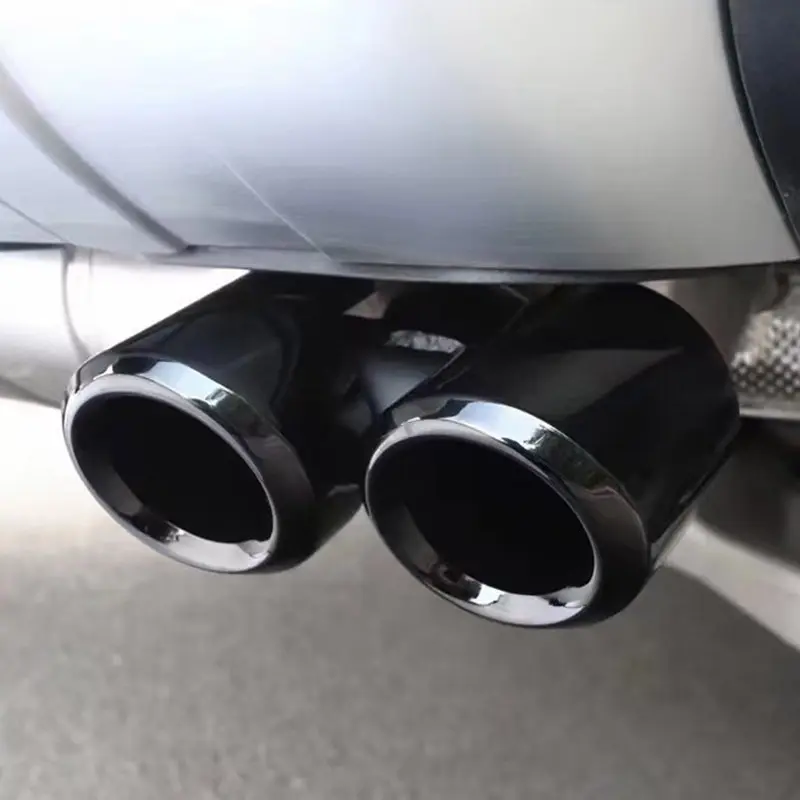
Replace the entire exhaust system when parts reach their usable lifespan.
Professional Installation:
- If youre not comfortable with the installation process, consider hiring a professional installer to ensure proper fitment and functionality.
The Role of Exhaust Parts in Enhancing Land Rover Performance
Exhaust parts are a critical component of your Land Rovers performance package. Whether youre off-roading or cruising the highways, choosing the right exhaust parts can make a significant difference in your driving experience. Ensuring your vehicles exhaust system is in top shape isnt just about maintaining efficiency; its about preserving the integrity and longevity of your Land Rover.
To enhance your driving experience and maintain optimal performance, consider upgrading your exhaust parts. By taking the steps outlined in this guide, you can ensure your Land Rover remains a reliable and enjoyable vehicle for years to come. Whether youre an off-road enthusiast or a highway driver, investing in high-quality exhaust parts is a worthwhile investment in your vehicles performance and longevity.