Please fill out the form below to request a quote or to request more information about us. please be as detailed as possible in your message, and we will get back to you as soon as possible with a response. we're ready to start working on your new project, contact us now to get started.
Insights into the Latest Advances in Valve Control Exhaust Systems
2026-09-03
Maxdo
5
The concept of valve control exhaust systems dates back to the early days of internal combustion engines. Initially designed to address gas leaks and improve engine longevity, these systems were simple mechanisms that used valves to control exhaust gas flow. Over time, engineers recognized the broader benefits of valve control technology, including its ability to reduce emissions and improve engine performance.
In the mid-20th century, the introduction of variable valve timing (VVT) marked a turning point in the evolution of valve control systems. VVT allowed for the precise timing of valve operations, ensuring that exhaust gas was expelled at optimal intervals. This innovation not only reduced the risk of engine damage from gas leaks but also significantly improved fuel efficiency and emissions reduction.
In recent years, the focus has shifted toward more advanced valve control technologies, such as resonance control and variable intake timing (VIT). These systems work by monitoring engine performance in real-time and adjusting valve operations accordingly. For instance, resonance control helps minimize engine vibrations and exhaust noise, while VIT allows for more efficient intake gas flow, further enhancing fuel efficiency.
Why Valve Control Exhaust Systems Are Critical in Modern Vehicle Engineering
Valve control exhaust systems are more than just a technical upgrade; they are a critical component of modern automotive technology. Their primary purpose is to improve engine performance, reduce emissions, and enhance overall vehicle efficiency. As regulations on emissions become stricter, the role of these systems has become even more important.
One of the key advantages of valve control exhaust systems is their ability to reduce the amount of harmful pollutants emitted into the atmosphere. Traditional exhaust systems often released nitrogen oxides and hydrocarbons, contributing to air pollution and the formation of smog. Modern valve control systems, designed to minimize these emissions, are a crucial part of efforts to reduce environmental impact.
In addition to their role in reducing emissions, valve control systems play a vital role in improving engine performance. By precisely controlling the timing of exhaust valve operations, these systems help ensure that gases are expelled efficiently, reducing the risk of engine knock and improving power output. This not only enhances the performance of the vehicle but also extends the lifespan of the engine, saving both time and money.
Key Innovations in Valve Control Technology
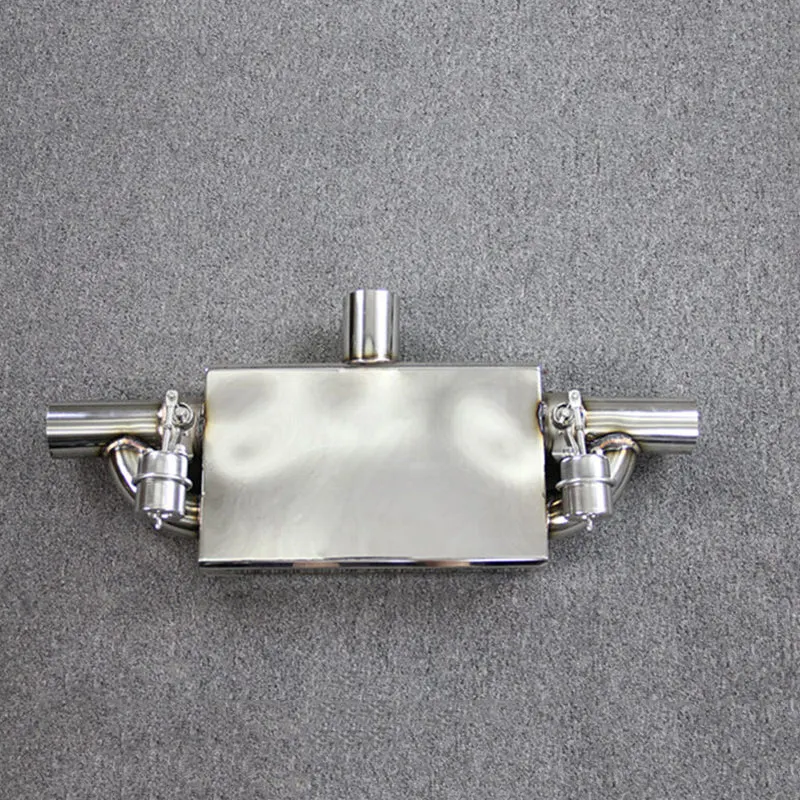
Over the years, engineers have developed a wide range of innovations in valve control technology, each offering unique benefits for automotive applications. One of the most significant advancements is the development of resonance control systems. These systems work by monitoring the engine's exhaust manifold and adjusting the timing of exhaust valve operations to minimize engine vibrations and reduce exhaust noise. This not only improves the driving experience but also helps reduce the risk of engine damage.
Another major innovation in valve control technology is variable intake timing (VIT). Unlike traditional systems, which use fixed timing for both intake and exhaust valves, VIT allows for independent control of these valves. This means the system can optimize intake gas flow while simultaneously managing exhaust gas expulsion, resulting in improved fuel efficiency and reduced emissions.
In recent years, the integration of artificial intelligence (AI) and machine learning (ML) into valve control systems has opened up new possibilities for enhancing engine performance. These technologies allow the system to analyze engine performance in real-time and make adjustments to valve operations based on data. This not only improves efficiency but also helps ensure the system operates at peak performance under varying driving conditions.
Comparative Analysis of Traditional vs. Modern Valve Control Exhaust Systems
When comparing traditional valve control systems to modern ones, it is clear that the latter offer a number of advantages. Traditional systems, which typically use fixed timing for both intake and exhaust valves, are simpler and less complex than their modern counterparts. While they were effective in their time, they are now seen as less efficient and less capable of meeting the demands of modern automotive engineering.
In contrast, modern valve control systems, which incorporate technologies like VIT and resonance control, offer several improvements. These systems are more precise, allowing for better control of exhaust gas flow and improved engine performance. They are also more efficient, resulting in lower emissions and better fuel economy. Additionally, the integration of AI and ML into modern systems allows for real-time adjustments, ensuring the system operates at optimal levels under varying conditions.
One of the key advantages of modern valve control systems is their ability to adapt to changing driving conditions. For example, in high-speed driving, the system can adjust valve timing to optimize engine performance, resulting in improved power output and reduced emissions. In contrast, traditional systems are less responsive and may struggle to maintain optimal performance under such conditions.
Case Studies in Industry Applications
The adoption of valve control exhaust systems in the automotive industry has been driven by their ability to improve performance, reduce emissions, and enhance fuel efficiency. A number of leading automotive manufacturers have implemented these systems in their vehicles, with significant improvements in both performance and efficiency being observed.
One notable example is the Tesla Model S, which features a valve-controlled exhaust system that operates in conjunction with the car's advanced combustion engine. This system allows for precise control of exhaust gas flow, resulting in reduced emissions and improved performance. Similarly, luxury cars from brands like BMW and Mercedes-Benz have incorporated these systems in their latest models, with positive feedback from drivers regarding improved performance and reduced noise levels.
In the case of hybrid vehicles, valve control systems have also played a crucial role in enhancing fuel efficiency. For example, hybrid electric vehicles (HEVs) often use valve-controlled exhaust systems to reduce the amount of energy lost through exhaust gas, resulting in improved overall fuel economy. This is particularly important in the context of stricter emissions regulations, as HEVs are becoming increasingly popular as a sustainable alternative to traditional internal combustion engines.
Challenges and Future Trends in Valve Control Technology
Despite their many advantages, valve control exhaust systems are not without their challenges. One of the key challenges is the complexity of these systems, which can make them difficult to maintain and repair. Additionally, the high cost of implementing these systems in new vehicles can be a barrier for manufacturers, particularly in regions where fuel prices are high.
Another challenge is the need for ongoing research and development to keep these systems at the forefront of technological advancements. As automotive engineers continue to push the boundaries of what is possible, new innovations in valve control technology are emerging. These include the use of advanced sensors and data analysis tools, as well as the integration of AI and machine learning into the systems.
Looking ahead, the future of valve control exhaust systems is likely to be shaped by the increasing adoption of electric vehicles (EVs) and hybrid technologies. As these vehicles continue to gain popularity, the development of efficient and effective valve control systems will be crucial to their success. Additionally, the integration of these systems with other advanced automotive technologies, such as adaptive suspension systems and autonomous driving technologies, will further enhance their performance and efficiency.
The Future of Automotive Technology Lies in Advanced Valve Control Systems
The journey from early internal combustion engines to modern valve-controlled exhaust systems is a testament to human ingenuity. As we strive for greener and more efficient technologies, the role of these systems in sustainable automotive engineering will remain indispensable. The future of automotive technology lies in the continuous evolution and integration of advanced valve control systems, leading us towards a future where engines are more efficient, emissions are lower, and vehicles are more sustainable.
By addressing the challenges and embracing future trends, valve control exhaust systems will continue to play a pivotal role in shaping the future of the automotive industry.
Table of Contents
GET IN TOUCH WITH Us
Copyright © 2026 Shenzhen Maxdo Automotive Parts Co., Ltd. - www.maxdoexhaust.com | Sitemap | privacy policy