Please fill out the form below to request a quote or to request more information about us. please be as detailed as possible in your message, and we will get back to you as soon as possible with a response. we're ready to start working on your new project, contact us now to get started.
How to Choose the Best Audi Performance Exhaust for Your Car
2026-09-07
Maxdo
51
For many Audi enthusiasts, the allure of enhanced performance and a more aggressive sound extends beyond what the stock components can offer. Upgrading to a high-performance exhaust system can significantly boost your cars power and torque, transforming the driving experience into a more thrilling adventure. Whether youre looking for better handling, an improved exhaust note, or a more confident driving experience, choosing the right exhaust can make all the difference. This guide will walk you through the key factors to consider when selecting an Audi performance exhaust, ensuring you get the most out of your vehicle.
Understanding Audi Performance Exhaust Basics
Audi offers several types of performance exhaust systems, each with its unique benefits and drawbacks. Lets break down the three main types:
- Close Coupled Exhaust: This system connects the manifold directly to the resonator. Its lightweight and cost-effective, making it a popular choice for drivers looking to save money or prefer a subtle exhaust sound. Close coupled exhausts are ideal for smaller displacement engines but may not provide the same power gains as other systems. They excel in the Audi A3 and TT, for example.
- Cat-Back Exhaust: Starting from the catalytic converter and extending to the tailpipe, the cat-back system offers better engine performance and a more aggressive sound. The use of a cat converter allows for smoother exhaust gas flow, enhancing both power output and exhaust note. This system is particularly effective in Audi models such as the S4 and S5.
- Straight-Through Exhaust: This design connects the cylinders directly to the tailpipe without a resonator. Its the most powerful and produces a deep, resonant exhaust sound. However, it is also the most complex and expensive. A straight-through exhaust is ideal for models like the RS5 and R8, which demand peak performance.
Each type of exhaust has its unique advantages and drawbacks, so understanding your Audis engine and desired driving experience will help you choose the right system.
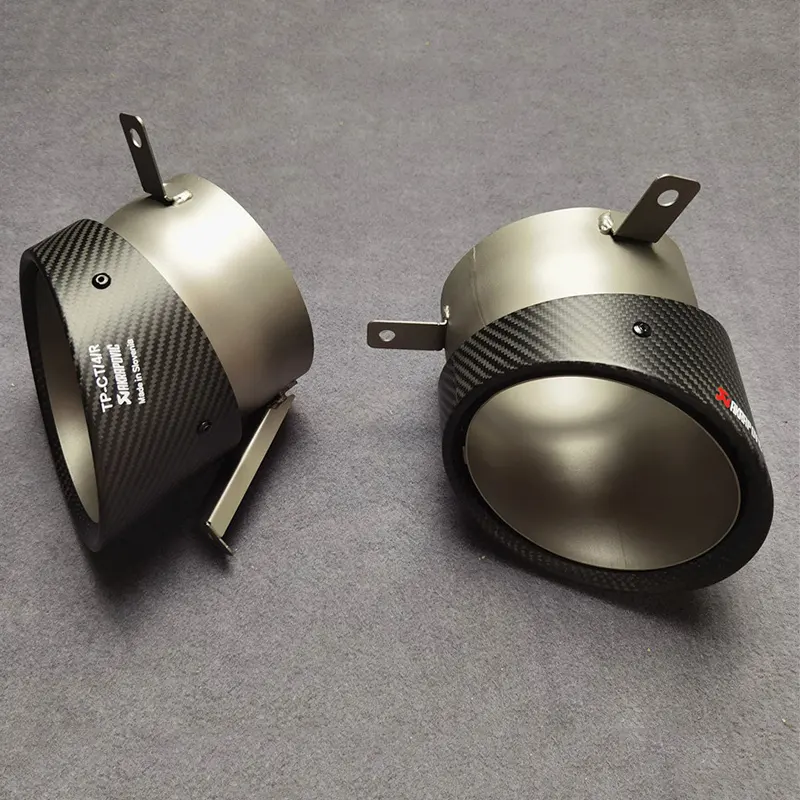
Evaluating Key Factors When Choosing an Audi Exhaust System
When selecting an Audi performance exhaust, several key factors come into play:
- Performance Gains: Start by evaluating the expected performance gains. Some exhaust systems can increase horsepower by 10-20 hp, while others are more focused on torque or a more refined sound. For instance, the close coupled exhaust in the Audi A3 can net you a noticeable power boost. Check reviews and performance data from reputable sources to ensure youre getting the best results.
- Noise Levels: The sound of your exhaust system is often a matter of personal preference. Some enthusiasts prefer a subtle, refined sound, while others enjoy a deeper, more aggressive exhaust note. Ensure the system meets your noise level requirements by listening to different models or watching comparison videos. For example, the cat-back exhaust in the Audi S4 delivers a robust and satisfying sound that many owners find exhilarating.
- Compatibility: Make sure the exhaust system is compatible with your specific Audi model and generation. Different Audi models have different emissions and engine setups, so its crucial to verify compatibility. For instance, a close coupled system may not fit the S7 due to its intricately designed exhaust manifold.
Comparing Materials and Construction
The material of the exhaust system plays a crucial role in durability, sound quality, and heat resistance:
- Aluminized Steel: Lightweight and corrosion-resistant, aluminized steel is a cost-effective choice for those prioritizing affordability and a balanced sound. It works well for most Audi models but is less durable than other materials. For the Audi A4, aluminized steel offers a good balance between cost and sound quality.
- Inconel: A titanium-based alloy, Inconel is heat-resistant and durable, making it a top choice for those wanting a long-lasting, high-performance exhaust. Its heavier than aluminized steel but offers superior resistance to heat and wear. Inconel is perfect for the Audi R8, where durability and performance are paramount.
- Audi-Specific Exhaust Components: Audi offers its own brand of exhaust components, which are often tailored to the specific needs of the brand. These components are designed to work seamlessly with other Audi systems, ensuring optimal performance and longevity. However, they can be more expensive. For the Audi S5, the factory components may be a better choice for those who value integrated performance.
Each material has its own advantages and disadvantages. Consider your budget and performance goals to choose the right material.
Assessing Sound and Sonic Quality
The sound of your exhaust is highly subjective and can significantly impact your driving experience. To achieve your desired sound, consider:
- Resonator Type: The type of resonator can play a significant role in the sound produced. A small resonator can produce a more aggressive sound, while a larger resonator can provide a more refined sound. For instance, a medium-sized resonator in the Audi A5 can strike a balance between performance and refinement.
- Tailpipe Material: The material of the tailpipe can also affect the sound. Inconel tailpipes, for example, tend to produce a deeper, richer sound compared to other materials. Inconel tailpipes are a great choice for the Audi R8, where a deep, powerful exhaust note is desired.
Experiencing different exhaust systems can help you determine the perfect sound for your Audi. Listening to videos or visiting dealerships with demo models can help you make an informed decision.
Ensuring Compatibility and Functionality
Ensuring that your exhaust system fits your Audi model and functions properly is crucial:
- Fitment Issues: Certain exhaust systems may not fit due to spacing or clearance issues, especially in tight engine bays. Research and carefully review fitment guides before making a purchase. For example, the straight-through exhaust for the Audi RS5 requires precise fitment to ensure optimal performance and power delivery.
- Emissions Control: Make sure the exhaust system is EMC (Environmental Protection Agency) compliant for your state or country. Non-compliant exhaust systems can result in hefty fines or damage to your vehicle. The close coupled exhaust for the Audi A3 must meet emissions standards to avoid any legal issues.
- Functionality: Test the systems functionality by checking for proper exhaust gas flow and ensuring there are no leaks or backfiring issues. Professional installers can help you verify this, ensuring a seamless integration with other components. A professional installation can prevent damage to your vehicle, especially in severe weather or driving conditions.
Professional Installation vs. DIY Kits
Installing a performance exhaust can be a rewarding DIY project, but it also requires skill and experience. Heres how professional installations and DIY kits compare:
- Professional Installation: Professional installers have the technical expertise to ensure the exhaust system is installed correctly. They can handle complex geometries and ensure a seamless integration with other components. Professional installations are often more reliable and can help prevent damage to your vehicle, especially in severe weather or driving conditions. A professional installation for the Audi S5 can ensure that all components fit precisely and perform optimally.
- DIY Kits: DIY kits are more accessible and cost-effective but require more technical knowledge and tools. DIY enthusiasts can find success with these kits, but they must be prepared for potential challenges such as tight spaces and uneven installation. Including a checklist of necessary tools and supplies can help DIY projects go smoothly. A DIY installation for the Audi A4 can be a great way to save money, but it requires careful attention to detail and the right tools.
An example of a successful DIY installation involves an Audi A7 owner who installed a high-flow cat-back exhaust system. Despite some initial challenges, he successfully completed the installation and reported a noticeable increase in power and a satisfying exhaust note. A professional installation for the Audi RS6 can also be a top choice, offering peace of mind and optimal performance.
Real-World Experiences with Audi Exhaust Systems
Real-world experiences can provide valuable insights into the benefits and challenges of installing an Audi performance exhaust. Here are a few examples:
- Case Study 1: An Audi S5 owner installed a close coupled system and reported a noticeable improvement in response and acceleration. However, the subtle exhaust sound was initially disappointing, prompting them to install a quieter resonator. The close coupled exhaust for the S5 significantly improved power and performance but required a small adjustment to the exhaust note.
- Case Study 2: An Audi S3 owner opted for a straight-through system and was thrilled with the deep, powerful exhaust note. Despite its aggressive sound, the system performed exceptionally well and enhanced the cars overall driving dynamics. The straight-through exhaust for the S3 provided an impressive power boost, making it a popular choice among enthusiasts.
These case studies highlight the diverse experiences of Audi enthusiasts and demonstrate the range of benefits you can achieve with different exhaust systems.
Maintenance and Longevity Tips
Investing in a well-maintained performance exhaust system can significantly extend its lifespan and ensure optimal performance. Here are some practical maintenance tips:
- Regular Inspections: Check for any signs of corrosion, wear, or damage. Regular inspections can help catch issues early and prevent more severe problems. A visual inspection of the exhaust system on the Audi A8 can reveal any potential issues.
- Cleaning: Use a high-quality cleaner to remove dust, debris, and condensation that can build up over time. Cleaning helps maintain the systems efficiency and prevents corrosion. A high-quality exhaust cleaner can be a valuable tool for Audi owners.
- Driving Conditions: Monitor driving conditions to avoid harsh weather or extreme temperatures that can stress the exhaust system. Adjust the systems settings based on your driving style and environment for optimal performance. For instance, driving in rain can cause condensation to build up, which may require more frequent cleaning.
Detailed maintenance guides and checklists can help ensure your exhaust system remains in top condition.
Conclusion
Choosing the right Audi performance exhaust is a decision that requires careful consideration of your driving style, performance goals, and budget. By understanding the benefits of a performance exhaust, evaluating key factors, and making an informed choice, you can enhance your Audis performance, sound, and overall driving experience.
Whether you opt for a professional installation or DIY kit, ensure that you select a system that fits your specific needs and provides the balance of power, sound, and durability you desire. Consulting experienced enthusiasts or Audi specialists can provide valuable insights and help you make the best choice for your vehicle. With the right exhaust system, your Audi can truly become a powerhouse on the road.
Table of Contents
GET IN TOUCH WITH Us
Copyright © 2026 Shenzhen Maxdo Automotive Parts Co., Ltd. - www.maxdoexhaust.com | Sitemap | privacy policy