Please fill out the form below to request a quote or to request more information about us. please be as detailed as possible in your message, and we will get back to you as soon as possible with a response. we're ready to start working on your new project, contact us now to get started.
Exploring the World of Universal Exhaust Systems: Options, Applications, and Benefits
2026-09-07
Maxdo
44
Understanding the Basics of Universal Exhaust Systems
In the ever-evolving automotive landscape, exhaust systems have become more than just a necessitythey've evolved into powerful tools for enhancing performance and efficiency. One such innovation is the universal exhaust system (UES), a highly versatile design that offers a range of benefits for both manufacturers and drivers. UES has gained significant traction, particularly in high-performance vehicles and hybrid/electric cars, where precise control and optimized flow are crucial.
UES is designed to provide a seamless flow of exhaust gases from the engine to the tailpipe, minimizing turbulence and maximizing efficiency. Unlike traditional exhaust systems, which often require customization to fit specific vehicles, UES is modular and highly adaptable, making it a popular choice among enthusiasts and professionals alike. Whether you're tuning a high-performance sports car or ensuring optimal efficiency in a hybrid vehicle, a UES can offer substantial advantages.
Types of Universal Exhaust Systems: A Comprehensive Overview
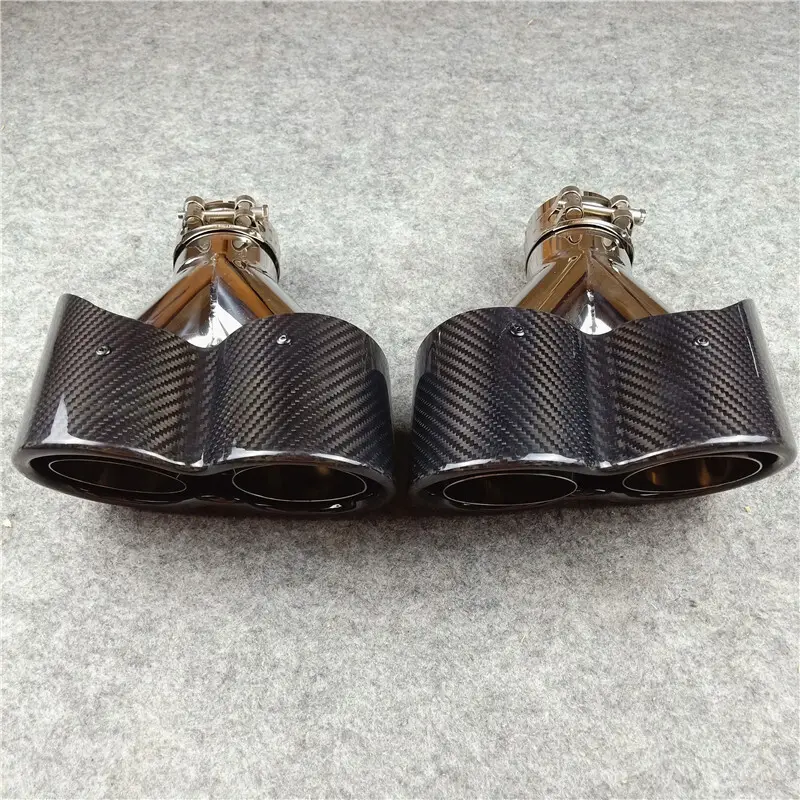
Universal exhaust systems come in various types, each tailored to specific needs and applications. Understanding these types is key to selecting the right system for your vehicle.
1. Straight-Through Exhaust Systems: These systems are simple and cost-effective, making them ideal for smaller vehicles and basic performance modifications. A straight-through UES features a single pipe that runs directly from the engine to the tailpipe, ensuring a smooth and direct flow of exhaust gases. This design is perfect for family sedans and entry-level performance cars where simplicity and cost-effectiveness are priorities.
2. Multi-Chamber Exhaust Systems: Designed for high-performance vehicles, multi-chamber UES feature several narrow pipes connected by catalyst chambers. This design allows for better thermal management and reduces the risk of engine knock, making it ideal for race cars and high-performance trucks. These systems are often used in vehicles where precise control over exhaust flow is critical, offering both horsepower and durability.
3. Multi-Branch Exhaust Systems: Offering the best of both worlds, multi-branch UES combine the simplicity of straight-through systems with the efficiency of multi-chamber designs. These systems are commonly found in luxury vehicles and performance cars, providing a balance of power, efficiency, and durability. Multi-branch UES are engineered to deliver optimal performance while maintaining a sleek and aerodynamic design.
Each type of UES has its own strengths and is suited to different vehicle needs. For instance, a straight-through system might be sufficient for a family sedan, while a multi-branch design is better suited for a high-performance sports car. The choice of UES depends on the specific requirements of the vehicle and the drivers preferences.
Applications of Universal Exhaust Systems: Beyond Automotive Use
While UES is most commonly associated with automotive applications, its versatility extends far beyond cars. The universal design allows it to be adapted to various environments and industries, making it a valuable component in both land and sea.
- Marine Vehicles: Speedboats, small yachts, and catamarans often utilize UES to ensure efficient exhaust flow, reducing noise and vibration. These systems are particularly valuable in high-performance marine applications where reliability and performance are paramount. For example, in a high-speed racing yacht, a UES can help maintain consistent performance and minimize drag.
- Agriculture and Off-Highway Vehicles: UES is increasingly used in off-road vehicles, offering durability and adaptability in rugged terrains. These systems are often designed with robust materials to withstand the harsh conditions of off-road use, ensuring reliable performance even in challenging environments.
- Industrial and Commercial Vehicles: In heavy-duty applications, UES can be integrated into trucks, tractors, and other industrial vehicles to improve fuel efficiency and reduce emissions. These systems are often used in fleets where reliability and performance are critical, contributing to overall operational efficiency.
The versatility of UES makes it a valuable component in a wide range of applications, from personal vehicles to heavy machinery. As industries continue to demand higher performance and efficiency, the use of UES is likely to grow even further.
Advantages of Universal Exhaust Systems: Performance and Efficiency
The benefits of a universal exhaust system are manifold, offering drivers and manufacturers alike a range of advantages:
1. Improved Engine Performance: UES reduces turbulence and ensures a smoother exhaust flow, leading to increased horsepower and torque. This dynamic interaction between the engine and exhaust system enhances overall vehicle performance, making UES an essential tool for high-performance tuning.
2. Enhanced Fuel Efficiency: By reducing turbulence and optimizing airflow, UES minimizes the risk of engine stalling and enhances fuel efficiency. This is particularly beneficial for hybrid and electric vehicles, where efficiency is a key priority. In a hybrid car, a well-designed UES can help optimize the energy recapture process, improving overall efficiency.
3. Reduced Emissions: Proper exhaust flow and design help minimize the release of pollutants, making UES a key component in reducing environmental impact. This is especially important for vehicles emitting high levels of nitrogen oxides and particulate matter. In an urban environment, reducing emissions can contribute to cleaner air and better public health.
4. Quieter Operation: The design of UES minimizes noise generation, resulting in a quieter driving experience. Whether you're on a highway or winding roads, a well-designed UES can significantly reduce exhaust-related noise, providing a more comfortable and enjoyable driving experience.
These advantages make UES an essential component for anyone seeking to optimize their vehicle's performance and environmental impact.
Customization and Installation Options: Tailoring to Specific Requirements
One of the most appealing aspects of UES is its customization options. With a wide range of designs and configurations, drivers and manufacturers can tailor UES to meet their specific needs. Common customization scenarios include:
1. Adjustable Lengths: Many UES are designed with adjustable lengths, allowing drivers to fine-tune the system to their vehicle's needs. Whether you're tuning a small car or a large truck, the length of the exhaust system can significantly impact performance. For instance, in a racing car, adjusting the exhaust length can optimize the flow for maximum power.
2. Muffler Installation: UES can be equipped with high-performance mufflers that reduce exhaust noise and improve engine cooling. These mufflers are often designed with advanced materials to withstand extreme temperatures and harsh environments. In a high-performance sports car, a high-performance muffler can help deliver a satisfying exhaust note without sacrificing performance.
3. Optimization for Drag: In vehicles where aerodynamics are critical, UES can be optimized to minimize drag, improving fuel efficiency and performance. This is particularly important in racing applications, where every ounce of performance matters. In a drag-racing vehicle, a well-designed UES can help reduce drag, allowing the car to achieve higher speeds with less effort.
4. Integration with Advanced Technologies: UES can be integrated with modern systems like turbine boost or advanced catalysts, further enhancing performance and efficiency. This is a common feature in high-performance vehicles, where every component contributes to overall performance. In a hybrid vehicle, integrating an advanced catalyst with the UES can help further reduce emissions and improve overall efficiency.
The ability to customize UES makes it a flexible and adaptable solution for drivers and manufacturers. Whether you're tuning for performance, fuel efficiency, or quiet operation, theres a UES design to meet your needs.
Maintenance and Care: Ensuring Longevity and Optimal Performance
Proper maintenance and care are essential to ensure the longevity and optimal performance of a universal exhaust system. While UES is built to last, regular maintenance can help maximize its efficiency and performance. Here are some key maintenance tips:
1. Cleaning: Regular cleaning of the exhaust system is essential to remove built-up deposits and ensure smooth airflow. Use a mild cleaning solution to avoid harming the materials. For example, cleaning the exhaust system of a high-performance sports car can help maintain its optimal performance and prevent clogs.
2. Inspection: Periodically inspect the UES for signs of wear and tear, such as cracks or kinks in the pipes. Address any issues promptly to prevent further damage. In a commercial fleet of trucks, regular inspections can help identify and address issues before they escalate, ensuring the system remains reliable.
3. Replacement of Components: Over time, components like catalysts and mufflers may require replacement. Replace them as needed to maintain optimal performance and efficiency. In a race car, replacing the catalyst and muffler regularly can help ensure the UES operates at peak performance.
4. Professional Servicing: While UES can be maintained with basic tools, professional servicing is recommended for complex systems or those with advanced features. A qualified technician can ensure the system operates at peak performance. For instance, in a high-performance racing vehicle, professional servicing can help maintain the UES's efficiency and performance.
By following these maintenance tips, you can ensure that your UES remains a reliable and efficient component of your vehicle.
Future Trends and Innovations in Universal Exhaust Systems
As automotive technology continues to evolve, so too are the designs and applications of universal exhaust systems. Future trends are likely to focus on innovation, efficiency, and sustainability, with a particular emphasis on electric vehicles (EVs) and hybrid systems. Here are some potential innovations on the horizon:
1. Advanced Catalysts: The development of more efficient catalysts could further reduce emissions and improve the performance of UES, making them even more appealing for electric vehicles. For example, in electric cars, advanced catalysts can help reduce emissions and improve the overall efficiency of the UES.
2. Smart Systems: Future UES may incorporate smart technology, allowing for real-time monitoring and optimization of performance. This could include sensors that adjust the system's configuration based on driving conditions. In a hybrid vehicle, smart systems can help optimize the UES for maximum efficiency under various driving conditions.
3. Battery-Free Designs: As EVs become more widespread, UES designed specifically for electric vehicles could reduce reliance on traditional batteries, further enhancing sustainability. Battery-free UES can help in reducing the overall weight of electric vehicles, contributing to better performance and efficiency.
4. Bladeless Turbine Technology: Innovations in turbine technology could lead to quieter and more efficient exhaust systems, particularly for high-performance vehicles. Bladeless turbines can help reduce noise and improve the overall efficiency of the UES, making them a valuable addition to high-performance vehicles.
5. Adaptive Exhaust Design: Systems that can adapt to changing conditions, such as varying engine speeds or driving environments, could offer significant improvements in performance and efficiency. Adaptive UES can help optimize exhaust flow in real-time, ensuring maximum performance and efficiency regardless of the driving conditions.
The future of UES is bright, with ongoing innovations poised to further enhance their performance and applicability. As technology advances, UES will continue to play a vital role in the automotive industry, driving the adoption of more efficient, powerful, and sustainable vehicles.
Final Thoughts
The universal exhaust system (UES) is a cornerstone of modern automotive technology, offering versatility, efficiency, and performance enhancements that are unmatched by traditional systems. Whether you're tuning a family sedan or building a high-performance race car, a UES is a critical component of your vehicle's performance.
With a wide range of designs, customization options, and applications, UES is a solution that continues to grow in importance. As automotive technology evolves, UES will continue to play a vital role in enhancing the driving experience while promoting sustainability and efficiency.
Table of Contents
GET IN TOUCH WITH Us
Copyright © 2026 Shenzhen Maxdo Automotive Parts Co., Ltd. - www.maxdoexhaust.com | Sitemap | privacy policy