Expert Advice on Installing Stainless Steel Exhaust Parts
The Importance of Stainless Steel Exhaust Parts
Choosing the Right Stainless Steel Exhaust Parts
Selecting the appropriate stainless steel exhaust parts is crucial for achieving optimal results. The material quality is a key factor; different grades of stainless steel offer varying levels of durability and resistance to stress and corrosion. For instance, 18/10 stainless steel is commonly used for its balance of corrosion resistance and formability, making it ideal for exhaust components. However, 304 or 316 stainless steel might be more suitable for high-performance applications due to their superior resistance to harsher conditions.
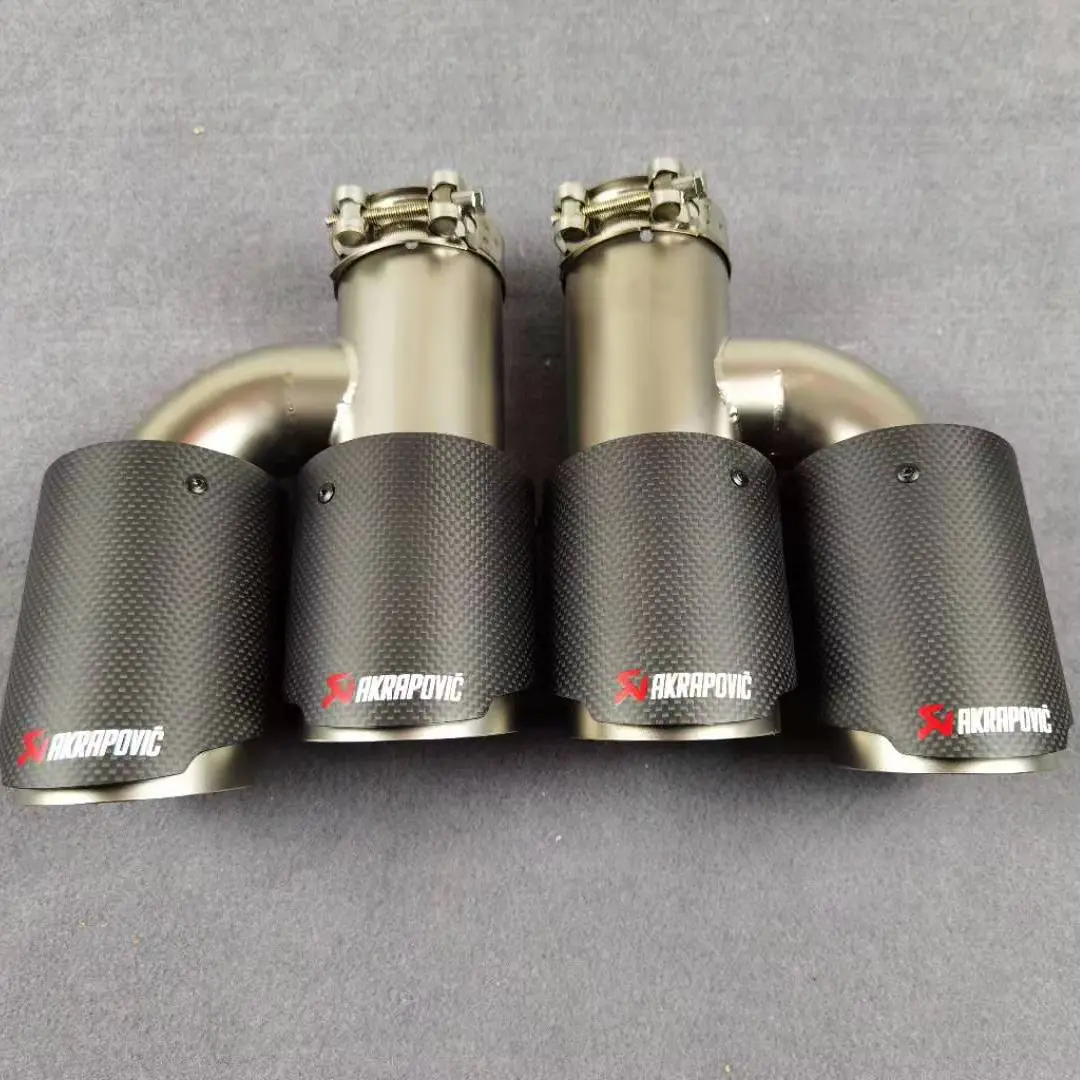
It's equally important to consider the fitment of the parts. Each vehicle's exhaust system has specific dimensions and tolerances, so choosing parts that match these precisely is essential. Poor fitment can lead to issues like uneven airflow, noise, or even catastrophic failures. Additionally, the performance specifications, such as horsepower gains or torque improvements, should guide your choice. Higher performance applications may require more robust or specialized parts.
Compatibility with the vehicle's emission system cannot be overlooked. For instance, some vehicles may have emissions control systems that interact with certain materials. Properly selecting parts that are compatible ensures the system operates efficiently without interference.
Tools and Equipment for Installation
Installing stainless steel exhaust parts requires a variety of tools and equipment to ensure precision and safety. Essential tools include wrenches, screwdrivers, and pliers for adjusting clamps and fasteners. Heat shields are crucial to protect the engine from high temperatures during installation. Without them, the process can be hazardous, and the parts may deform or warp.
Other necessary tools include gaskets, which ensure a watertight seal, and temperature-controlled areas to prevent overheating. Safety gear, such as gloves, goggles, and a lab coat, is a must for protecting yourself from exposure to fumes and high-temperature areas.
Installation Steps and Techniques
The installation process begins with thorough preparation. Pre-installation checks involve inspecting the exhaust pipes for dirt, rust, or damage, ensuring they are clean and free of obstructions. Proper alignment is the next step; the exhaust pipes must be correctly positioned to maintain airflow and prevent leaks.
Using specialized clamps and bolts, the parts are secured in place. Attention to detail is crucial to ensure a tight fit, which enhances performance and reduces noise. Avoiding common mistakes, such as improper alignment or using too tight a fit, is essential to prevent issues.
During installation, maintaining a steady and controlled pace is important to prevent overheating, which can warp or damage the parts. Finally, the area is cleaned up, and all tools and equipment are safely stored.
Safety Considerations
Safety is paramount during installation. Protective gear, including gloves, goggles, and a lab coat, is essential to shield you from harmful fumes and hot surfaces. Proper ventilation is also crucial to avoid inhaling toxic fumes, which can be harmful, especially in confined spaces.
Working with hot exhaust components requires caution. Always handle the parts with clean, dry hands to prevent contamination. Additionally, wearing appropriate clothing, such as heat-resistant overalls, can significantly reduce the risk of burns.
Maintenance and Troubleshooting
Regular maintenance is key to ensuring the longevity and efficiency of your exhaust system. Cleaning the exhaust pipes periodically can help prevent the buildup of dirt and debris, which can cause clogs and reduce performance. Regular inspections can also help identify potential issues early on, such as leaks or misalignment.
Common issues like leaks or misalignment can be addressed with simple fixes, such as sealing leaks with caulk or adjusting clamps. However, if problems persist, seeking professional assistance is advisable to ensure a safe and effective solution.
Comparative Analysis of Materials
When choosing exhaust parts, it's essential to compare different materials and understand their respective advantages and disadvantages. While stainless steel offers durability, resistance to corrosion, and a polished appearance, it may be more expensive than alternative materials like chrome or aluminum. Chrome is lighter and easier to install but may wear out faster and develop a yellowish tint over time. Aluminum is lightweight and corrosion-resistant but lacks the durability of stainless steel and may not be suitable for high-performance applications.
Understanding these differences will help you make an informed decision that aligns with your vehicle's needs and budget.
Expert Tips and Insights
From industry professionals, here are some valuable insights into installing stainless steel exhaust parts:
DIY vs. Professional Installation: While many enthusiasts tackle the installation themselves, professional mechanics often have the expertise and tools to handle complex tasks more efficiently and safely.
Clean Installation Area: Always work in a well-ventilated area with protective gear. A clean, dry workspace reduces the risk of contamination and ensures a better finish.
Design Considerations: Stainless steel offers a wide range of finishes, from smooth to textured, allowing you to customize your vehicle's appearance. However, ensure that the design choices align with the vehicle's overall aesthetics and functionality.
Conclusion
Installing high-quality stainless steel exhaust parts is a rewarding project that enhances both the performance and the visual appeal of your vehicle. By carefully choosing the right parts, using the appropriate tools and equipment, following a professional installation process, and prioritizing safety, you can achieve a durable and efficient exhaust system. Regular maintenance and troubleshooting will ensure the longevity of your investment. Whether you're a seasoned car enthusiast or a new hobbyist, taking the time to install quality parts will elevate your vehicle's performance and satisfaction.