Please fill out the form below to request a quote or to request more information about us. please be as detailed as possible in your message, and we will get back to you as soon as possible with a response. we're ready to start working on your new project, contact us now to get started.
DIY Guide: Installing a Straight Pipe Exhaust from Original to BMW E90 320D
2026-09-13
Maxdo
27
The BMW E90 320D, a beloved model among car enthusiasts, offers a blend of classic elegance and modern performance. Upgrading your vehicle with a straight pipe exhaust system is a fantastic way to enhance both its power output and driving experience. This guide will walk you through the process of installing a straight pipe exhaust, from understanding the benefits to completing the installation. Whether you're a seasoned tinkerer or a first-time modeller, this comprehensive guide will provide you with the knowledge and confidence needed to make a lasting modification to your E90 320D.
Why Choose a Straight Pipe Exhaust for Your BMW E90 320D?
The BMW E90 320D's straight pipe exhaust system offers several advantages that make it a popular choice among owners.
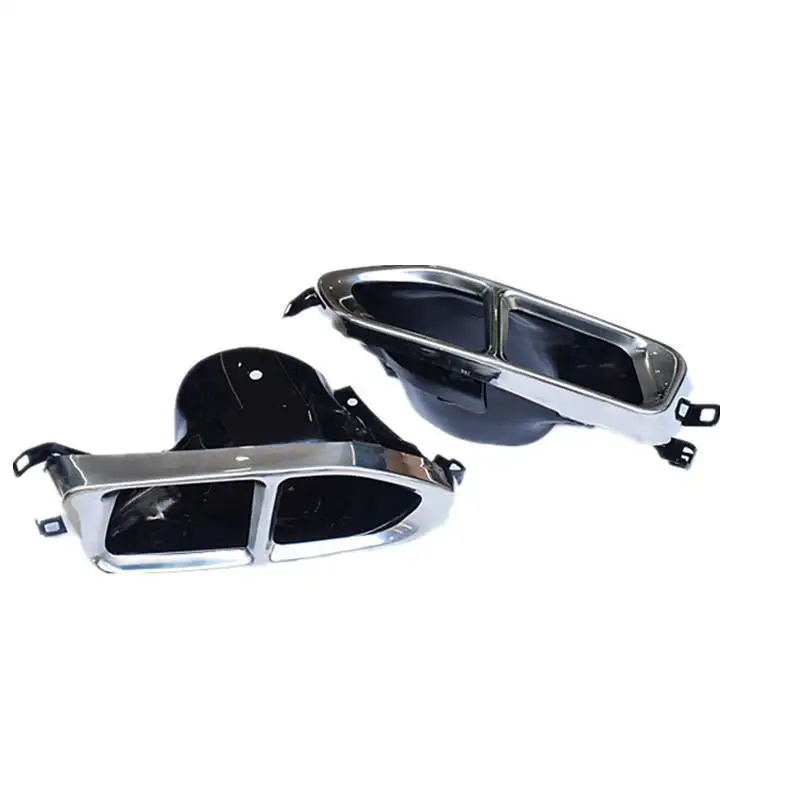
Performance Enhancement: A straight pipe exhaust is designed to maximize your engine's power by reducing pressure losses that occur in more complex systems. This results in a more powerful and responsive engine, improving acceleration and overall performance.
Better Sound Tuning: Exhaust systems not only enhance performance but also offer a refined driving experience. A well-tuned straight pipe exhaust can produce a more coherent and enjoyable exhaust note, adding a touch of class to your driving experience.
Cost-Effective Modification: While upgrading to a straight pipe exhaust involves some initial investment, it is a cost-effective modification that can significantly improve your vehicle's performance without the high expense of a full carbs or catalytic converters.
Preparing Your BMW E90 320D for the Installation
Before you can install a new exhaust system, it's essential to prepare your car properly. This involves removing the existing exhaust components and ensuring the area is clean and ready for installation.
Removing the Old Exhaust System: The first step in any modification is taking down the old system. For a straight pipe exhaust, this means removing the downpipe, catalytic converter (if present), and muffler. Use the right toolsscrewdrivers, torx bits, and wire cuttersto carefully dismantle the old components. Safety is paramount, so consider taking your car to a professional shop to avoid mistakes.
Tools and Materials Needed: Gather all necessary tools and materials, including wrenches, spanners, wire cutters, cable ties, and protective gloves. You may also need washer and bolt kits, depending on whether you're installing a pre-fabricated system or fabricating one yourself.
Safety Precautions: Always ensure the area is clear of flammable materials and that you have all necessary tools on hand. Working on a vehicle requires extra caution, especially with electrical components. Remember, taking your car to a qualified mechanic can save you time and prevent potential damage.
Removing the Old Exhaust Components
Removing the old exhaust components is the first major task in your installation process. Here's how to do it step by step:
Identifying the Components: The old exhaust system will consist of the downpipe, catalytic converter (if applicable), and muffler. Each component has specific connections and brackets that need to be disconnected and removed.
Disconnecting Hoses and Brackets: Carefully disconnect any hoses or brackets attached to the old exhaust system. This is crucial to prevent any leaks or damage during installation.
Detaching the Connections: Remove any bolts or fasteners holding the old components in place. Be sure to follow the manufacturer's instructions to avoid loosening any critical components that could affect the installation.
By carefully removing these components, you create space for the new straight pipe exhaust system to fit perfectly.
Installing the Straight Pipe Exhaust
Installing the straight pipe exhaust is a meticulous process that requires precision and attention to detail.
Matching the New System: The first step is to ensure the new straight pipe exhaust system fits your specific vehicle. Different models may require different sizes or configurations, so check the manufacturer's guidelines or consult a professional.
Attaching the Straight Pipe: Once the system is chosen, attach the straight pipe to your car. This involves aligning it with the existing downpipe and ensuring a snug fit. Use clamps and secure it in place.
Reconnecting Components: After attaching the straight pipe, reattach the necessary components, such as the new muffler. Ensure all connections are secure to prevent any leaks or misfires.
Reinstalling Parts: Don't forget to reinstall any removed parts, such as the rear bumper or diffuser. Reassemble the old components carefully, ensuring everything is in its original position.
Tightening Bolts: Double-check all bolts and nuts to ensure they are tightened properly. A well-tightened system is essential for both safety and performance.
Finishing Touches and Testing
After installation, it's essential to perform a final check to ensure everything is in working order.
Double-Checking Connections: Go through all connections and bolts to ensure they are secure. A small leak or misalignment can lead to performance issues down the line.
Reinstalling Any Removed Parts: Reinstall any parts that were removed during preparation, such as the rear bumper or diffuser. Ensure they are in place correctly to maintain the vehicle's balance.
Test Driving: Test drive your BMW E90 320D to ensure the new exhaust system improves both performance and sound. Adjustments may be necessary if there are issues with leaks, exhaust leaks, or misalignment.
Tuning the System: Fine-tune the exhaust system for maximum performance. This may involve adjusting the placement of tips or mufflers to enhance the driving experience.
Customizing Your Sound and Aesthetics
The final touches involve customizing the exhaust system to match your preferences in sound and appearance.
Choosing Exhaust Tips and Mufflers: Select the right exhaust tips and mufflers to achieve the sound you desire. There are various styles available, from aggressive to subtle, so choose something that complements your car's design.
Understanding the Options: Different tips and mufflers will affect both the sound and the visual appeal of your exhaust system. Experiment with different options to find the perfect balance between performance and aesthetics.
Fine-Tuning the System: Once the installation is complete, tweak the system further. Adjust the placement of tips, modify the length of the exhaust, or change the type of catalyst to achieve the optimal sound and performance.
Maintenance and Troubleshooting Tips
To ensure your straight pipe exhaust system lasts a long time, follow these maintenance tips:
Regular Inspection and Cleaning: Keep your exhaust system clean to prevent the spread of contaminants and reduce the risk of corrosion. Use a solvent or compressed air to remove dirt and debris.
Addressing Common Issues: If you encounter any issues, such as water leaks or exhaust leaks, identify the root cause and address it promptly. A qualified technician can provide valuable insights and advice.
Extending the Lifespan: By following proper maintenance practices, you can significantly extend the lifespan of your exhaust system. Regular inspections and timely repairs will help maintain optimal performance.
Strengthening Your BMW E90 320Ds Performance
Installing a straight pipe exhaust in your BMW E90 320D is a rewarding modification that enhances both performance and sound. Whether you opt for a DIY project or a professional installation, the end result is a vehicle that stands out and delivers unmatched power and efficiency. Take the time to enjoy the driving experience your new exhaust system has to offer and share your journey with fellow enthusiasts.
Table of Contents
GET IN TOUCH WITH Us
Copyright © 2026 Shenzhen Maxdo Automotive Parts Co., Ltd. - www.maxdoexhaust.com | Sitemap | privacy policy