Please fill out the form below to request a quote or to request more information about us. please be as detailed as possible in your message, and we will get back to you as soon as possible with a response. we're ready to start working on your new project, contact us now to get started.
DIY BMW 1 Series Exhaust Installation Guide
2026-09-14
Maxdo
39
The Significance of a Custom Exhaust System
In the world of automotive engineering, a well-crafted exhaust system is more than just an afterthought; it's an integral part of the driving experience. For BMW 1 Series vehicles, a custom exhaust system not only enhances the vehicle's performance by improving horsepower and torque but also elevates the sound quality, making your driving experience unforgettable. The BMW 1 Series, known for its sporty design and agility, benefits immensely from a custom exhaust system tailored to its specific needs.
Challenges and Benefits of DIY Installation
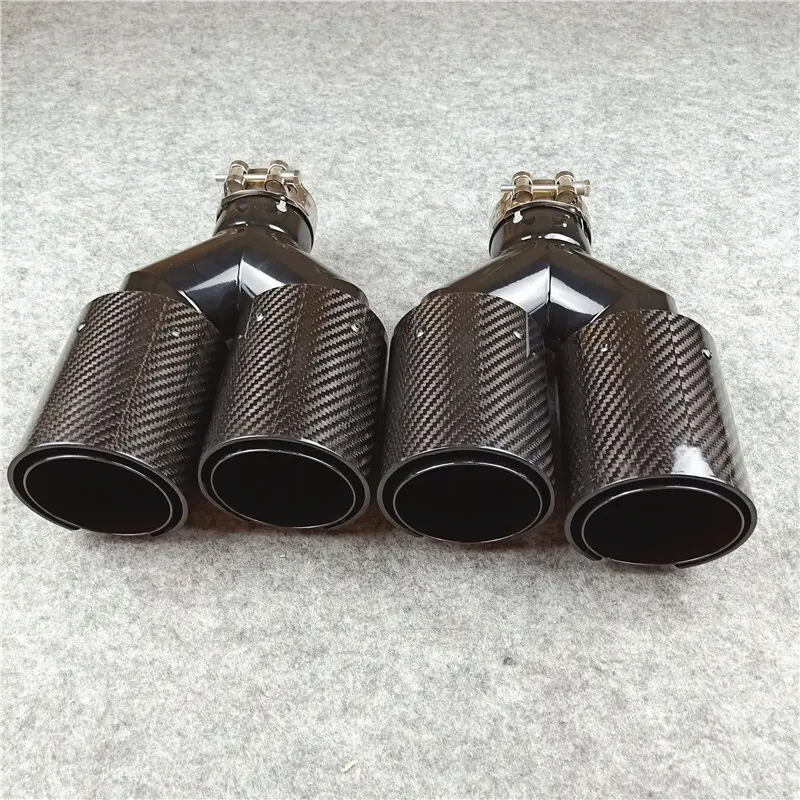
While professional installation services are available, attempting a DIY installation offers a unique blend of challenges and benefits. Challenges include a lack of advanced tools and the need for precise understanding of the vehicle's internal workings. However, the rewards far outweigh the difficulties. DIY installation allows for a deeper understanding of the car's mechanics, fostering a sense of accomplishment and mastery. It also provides the freedom to customize the system according to your preferences, ensuring optimal performance and sound quality.
Importance of Specific Requirements
Each BMW 1 Series has unique specifications that dictate the ideal exhaust system. Understanding these specifics is crucial for a successful installation. Whether it's the location of the catalytic converter or the precise routing of the exhaust pipes, each detail plays a role in the system's efficiency and effectiveness. This section will guide you through the process, ensuring that you meet all the necessary requirements for a perfect fit.
Tools and Materials Needed for Installation
Essential Hand Tools
- Wrenches and Screwdrivers: These are your go-to tools for loosening and tightening various components. They come in different sizes to accommodate the nuts and bolts you'll encounter during the installation.
- Drill and Impact Wrench: These advanced tools are essential for driving in new pipe segments and making precise holes in the existing system.
- Squares and Socket Set: These tools ensure accurate alignment when installing new components.
Advanced Tools
- Clamps and Hangers: These are used to secure new pipe segments in place, preventing any movement that could disrupt the system's performance.
- Gaskets: Essential for sealing connections and preventing leaks, these are crucial for maintaining the integrity of the exhaust system.
- Torque Wrench: This tool is vital for tightening bolts to the correct torque specification, ensuring the system is secure and lasts for years.
Safety Equipment
- Eye Protection: Protecting your vision is the first step in any DIY project. A pair of safety glasses is a must.
- Gloves: Loose fittings can be sharp, so investing in a pair of heat-resistant gloves is a wise decision.
- Anti-Slip Mat: This is particularly useful when working on vehicles with tight spaces, helping you maintain control while working.
Initial Preparation and Evaluation
Assessing the Vehicle's Condition
Before any modifications, it's crucial to ensure the BMW 1 Series is in a state fit for installation. This includes checking for any signs of rust, damage, or wear on the body and undercarriage. A clean and well-maintained vehicle provides a safer and more reliable platform for your project.
Evaluating the Exhaust System
The current state of the exhaust system should be thoroughly evaluated. Look for signs of wear and tear on the catalytic converter, muffler, and pipes. A rebuild may be necessary if significant damage is detected. This evaluation step ensures that we start with a solid foundation, minimizing potential issues down the line.
Preparing the New Exhaust Pipe
Before removing the existing system, it's wise to prepare the new pipe in advance. This involves cleaning the pipe, marking the required connections, and assembling it according to the vehicle's specifications. Familiarizing yourself with the layout will save time and reduce confusion during the installation process.
Removing the Old Exhaust System
Disassembly Techniques
Removing the catalytic converter requires precision to avoid damage. Using the right tools and following the manufacturer's guidelines ensures a safe process. The muffler, located near the tailpipe, is another component that needs careful handling to prevent damage to the engine.
Tools and Methods
Advanced tools like the impact wrench are essential for driving in new pipe segments. Using the right torque specifications is crucial to ensure the new components fit perfectly. This step-by-step guide will help you navigate the disassembly process smoothly, ensuring that you have all the necessary tools and knowledge at your fingertips.
Handling Removed Parts
Old parts should be handled with care, stored in a dry place to prevent rust. Reusable containers or tarpaulins can help protect your vehicle from any accidental damage. Keeping them organized and accessible will make the reinstallation process much smoother.
Installing the New Exhaust Pipe
Proper Routing and Alignment
The routing of the new pipe is critical for optimal performance. It should run smoothly through the engine bay, avoiding any kinks or folds that could impede airflow. Alignment is also key; the new pipe should be straight and parallel to the manifold and sensors to ensure efficient airflow.
Attaching Clamps and Hangers
Clamps and hangers are used to secure the new pipe in place. They provide stability, preventing any movement that could disrupt the system. This step ensures that the new pipe is snugly fitted, ready for the final connections.
Sealing Connections
Sealing is a crucial step to prevent leaks and ensure a watertight connection. Using high-quality gaskets that are compatible with the system is essential. Proper sealing not only enhances performance but also ensures the system runs efficiently.
Reconnecting and Final Adjustments
Reattaching Components
Reattaching the catalytic converter and muffler involves securing them in place with torque specifications. This step ensures that the system is tightly connected, preventing any leaks or malfunctions.
Checking for Proper Fit and Functionality
Completing the road test is the final step in the installation process. Listen for the characteristic exhaust note and evaluate the vehicle's performance on the road. Making minor adjustments during the test ensures that everything functions optimally.
Adjustments
Fine-tuning the system may be necessary to optimize both sound quality and performance. Adjusting resonators and damping as needed ensures that the system delivers the best possible performance and sound.
Testing and Tuning the New Exhaust System
Listening to the Exhaust Note
The sound of a well-tuned exhaust system is a testament to the work done. Listening to the exhaust note while driving gives you a sense of the system's performance and whether adjustments are needed.
Conducting Bench Tests
Bench tests provide a more controlled environment to evaluate the system's performance. Checking for leaks and ensuring proper functionality during these tests gives you confidence in the system's reliability.
Making Adjustments
Fine-tuning the system may be necessary to optimize both sound quality and performance. Adjusting resonators and damping as needed ensures that the system delivers the best possible output.
Conclusion and Tips for Future Projects
Summary of Key Points
This guide has provided a comprehensive overview of the DIY BMW 1 Series exhaust installation process. Each step has been detailed to ensure a smooth and successful experience. By following these instructions, you can install a custom exhaust system that enhances both performance and sound quality.
Best Practices
- Preparation is Key: Thoroughly evaluate the current system and prepare the new pipe in advance.
- Professional Advice: consult a professional for complex installations to ensure safety and optimal performance.
- Safety First: Always prioritize safety, especially when working on vehicles with tight spaces.
Encouragement
Installing a custom exhaust system is a rewarding project that offers a deeper understanding of your car. Embrace the challenge, follow the guide carefully, and enjoy the benefits of a well-crafted exhaust system. Safe and enjoyable modifications are within your reach with the right preparation and knowledge.
This comprehensive guide ensures that each step is clear, detailed, and easy to follow, providing you with the knowledge and confidence needed to successfully install a custom BMW 1 Series exhaust system.
Table of Contents
- 6.3Adjustments
GET IN TOUCH WITH Us
Copyright © 2026 Shenzhen Maxdo Automotive Parts Co., Ltd. - www.maxdoexhaust.com | Sitemap | privacy policy