Comparing Stock vs Aftermarket Car Exhaust Pipes
Understanding Car Exhaust Pipes and Their Types
A car exhaust pipe is a crucial component that directs exhaust gases out of the engine, influencing both performance and emissions. Stock exhaust pipes, designed by the original equipment manufacturer (OEM), are typically made from high-quality steel and are suitable for standard driving conditions. They provide adequate performance and manage noise effectively but may not offer the best possible enhancements.
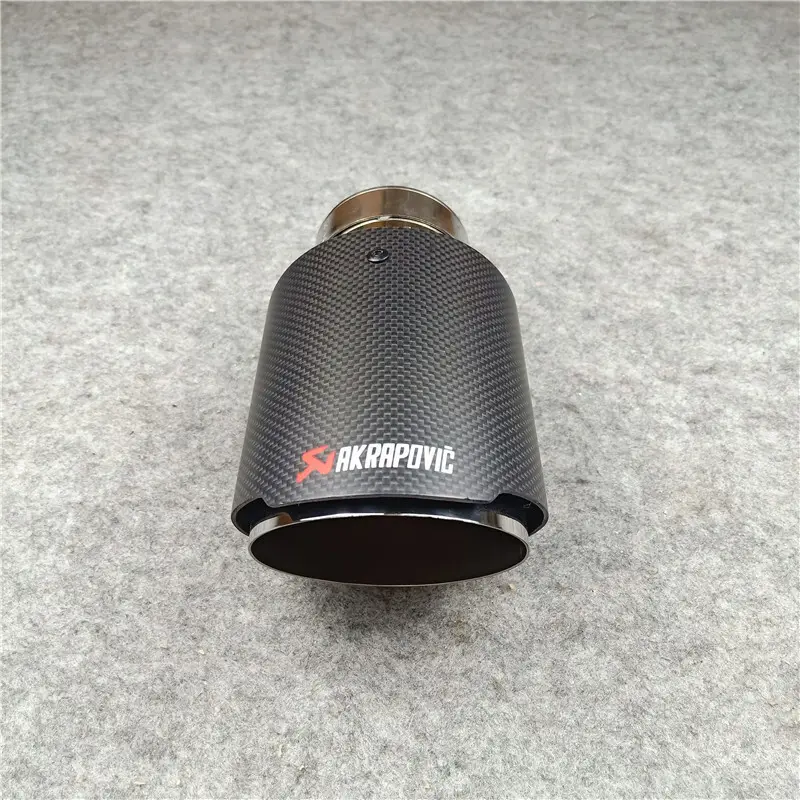
Aftermarket exhaust pipes, on the other hand, are designed to improve performance and sound. These pipes can be crafted from various materials, including titanium, exotic metals, and carbon fiber-reinforced polymers. The materials chosen for aftermarket pipes contribute to better thermal efficiency, enhanced sound management, and a smoother driving experience. These features make aftermarket exhaust systems a popular choice among enthusiasts looking for a noticeable improvement.
Performance and Sound: A Comparative Analysis
The performance benefits of aftermarket exhaust pipes are significant. Stock exhaust pipes are optimized for thermal efficiency but may not maximize power output or fuel efficiency. Aftermarket exhaust pipes, however, are engineered to boost these aspects. For instance, resonance dampeners in some aftermarket pipes reduce harsh noises, resulting in a smoother and more pleasant driving experience.
Measurements such as horsepower and torque improvements can vary widely. Some high-performance aftermarket systems can see a 10% increase in horsepower, which can translate to noticeable improvements in acceleration and overall power. However, the actual gains depend on factors like engine size, drive type, and overall car modifications. For example, vehicles with larger engines may see more significant performance boosts compared to smaller ones.
Additionally, the sound profile of a car can be significantly altered with aftermarket exhaust pipes. Many enthusiasts opt for systems that offer a more aggressive or sporty exhaust note. These systems often produce a deeper, richer sound, which can be highly desirable. Conversely, some aftermarket exhaust pipes focus on muffling the sound, providing a more refined and quiet driving experience for those who prefer a more subtle enhancement.
Cost and Maintenance Considerations
Cost is a crucial factor when choosing between stock and aftermarket exhaust pipes. Stock pipes are generally more affordable, but they may require more maintenance due to their higher noise levels and potential wear and tear. Aftermarket pipes, although more expensive initially, often come with lower maintenance costs and a quieter operation. For instance, a properly installed aftermarket exhaust system can reduce engine noise significantly, making it a more appealing option for drivers concerned with both performance and sound quality.
In terms of long-term costs, aftermarket pipes can be more cost-effective because they tend to last longer and often come with better warranties. Maintenance costs can also be lower as these systems are less prone to intrusion by debris and other elements. However, the initial investment in an aftermarket system is typically higher, so it's valuable to consider the return on investment from both a performance and cost standpoint.
Environmental Impact: Stock vs. Aftermarket Exhaust Pipes
The environmental impact of exhaust pipes is another important consideration. Stock pipes, often made from high-carbon steel, contribute to higher emissions due to their lower thermal efficiency. Aftermarket exhaust pipes, on the hand, are often designed to be more efficient, resulting in lower emissions and a reduced environmental footprint.
For instance, catalytic converters in modern exhaust systems can help reduce harmful pollutants such as nitrogen oxides and carbon monoxide. Aftermarket exhaust pipes that are more efficient can further improve this performance, making them a better choice for environmentally conscious drivers. However, it's important to note that the environmental benefits also depend on the quality and design of the aftermarket pipe. Some poorly designed systems may actually increase emissions, negating their potential environmental benefits.
Installation and Professional Considerations
Installing an aftermarket exhaust pipe requires more expertise and can be more complex than installing a stock part. Professional installation is recommended to achieve optimal results. For DIY enthusiasts, careful attention to detail is essential to ensure proper alignment, fitting, and durability. Safety considerations include proper ventilation to avoid inhaling exhaust fumes and the use of protective gear during the installation process.
Professional installers often use advanced techniques to minimize noise and vibration, ensuring a smooth driving experience. They can also provide tailored solutions to meet specific performance needs and offer guidance on the best materials and designs for your vehicle. DIY enthusiasts can find resources online to guide them through the process, but it's important to approach it with caution to ensure the highest quality installation.
Choosing the Right Option
Choosing between a stock and an aftermarket exhaust pipe depends on your specific needs and preferences. Stock pipes, made by OEMs, are reliable and durable, providing adequate performance at a lower cost. Aftermarket pipes, on the other hand, can offer significant enhancements in terms of performance, sound, and efficiency.
For drivers who prioritize performance and cost-effectiveness, aftermarket pipes are an excellent choice. They can provide noticeable improvements in horsepower and torque, offer a more refined or sporty sound, and reduce maintenance costs. However, for those concerned with environmental impact, higher-performing aftermarket exhaust systems can provide a better solution.
Ultimately, the decision should be based on a balance of performance, cost, sound preference, and environmental considerations. By understanding the differences and benefits of each option, you can make an informed choice that aligns with your driving style and lifestyle.